For generations, menstruation was something women were often encouraged not to talk about. Now, there is almost nowhere online where periods aren't being discussed.
Social media is filled with videos about cycle syncing, seed cycling, hormone-balancing diets, period-tracking apps, supplements, powders, detoxes and the supposedly ’ideal‘ menstrual cycle. What was once a natural biological process has become a highly visible wellness category.
That Shift Has Brought Something Valuable: Conversation
It has also created a new psychological pressure. The message is no longer simply to understand your period. Increasingly, it can sound like: monitor it, optimise it, correct it and make it better. And for women scrolling through thousands of posts telling them what their hormones, energy, cravings, skin and moods are ‘supposed’ to look like at different points in their cycle, the distinction between health education and health anxiety can become surprisingly difficult to see.
The Anxiety Of The ‘Perfect’ Period
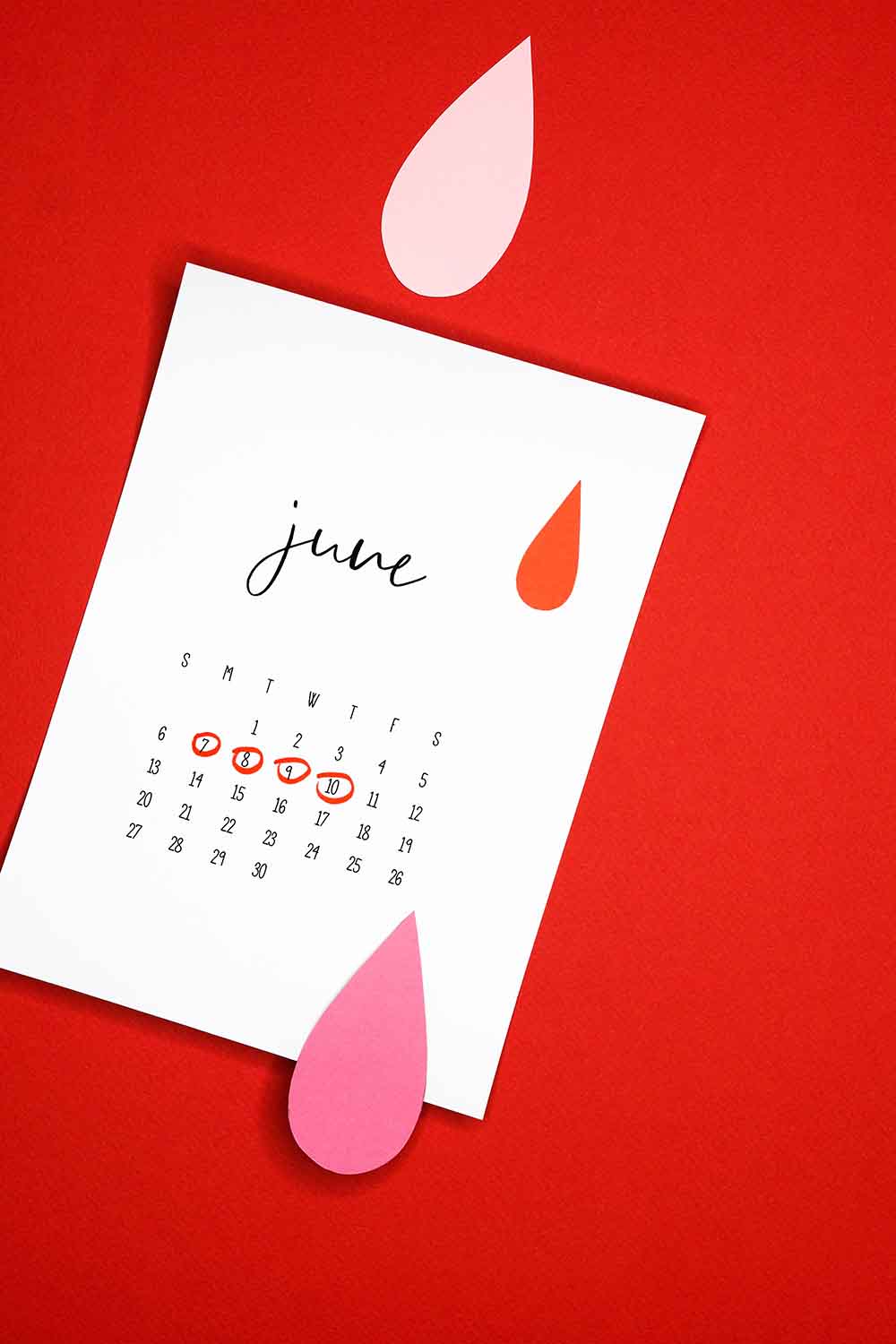
Social media thrives on patterns. A 28-day cycle is easy to explain. A colour-coded menstrual chart is easy to share. A list of symptoms associated with each phase of the cycle feels reassuring because it appears to turn an unpredictable body into a predictable system.
But human bodies do not necessarily follow neat internet templates. Menstrual cycles can vary in length, bleeding patterns and symptoms. A person's own cycle may also change over time. Yet online wellness content can make normal variation feel like evidence that something is wrong.
This is where psychology enters the conversation. When people are repeatedly exposed to messages suggesting that a bodily sensation may signal an underlying imbalance, they can become more vigilant about that sensation. A cramp that might once have been dismissed as an ordinary part of menstruation can suddenly become something to analyse. A change in cycle length can become a reason to search for ‘hormone imbalance’ online.
The more someone searches, the more content the algorithm can provide. And the more content they see, the easier it can become to believe that there is always another symptom to monitor or another product that might fix it.
Women Are Being Taught To Monitor Themselves Constantly
Gynaecologist Dr Gayatri Deshpande says the conversation around menstrual health needs to retain an important distinction: awareness is not the same thing as constant self-surveillance. ‘It is good that women are talking openly about menstruation and becoming more aware of their reproductive health. But we should be careful that awareness does not turn into hypervigilance. Not every variation in a menstrual cycle means that something is wrong, and not every symptom needs to be interpreted through the lens of hormones.’ The danger, she says, can lie at both extremes. Women should not be encouraged to ignore persistent or severe symptoms. At the same time, they should not be made to believe that every period must conform to an ‘optimal’ template. ‘A severe pain, very heavy bleeding, persistent irregularity or a significant change in someone's usual pattern deserves appropriate medical evaluation. But there is a difference between identifying a symptom that needs attention and convincing yourself that your body is constantly malfunctioning.’ That distinction is particularly important online, where medical information, personal experience and advertising can appear in almost identical formats.
A creator describing what helped her period may be sharing a genuine experience. But an individual experience is not automatically evidence that the same intervention will work for everyone.
When Wellness Becomes Another Form Of Perfectionism
The psychology behind the period-optimisation trend is familiar. Modern wellness culture often promises control: Eat these foods. Take these supplements. Track this hormone. Follow this routine. Wake up at this time. Exercise according to this phase of your cycle.
For someone already anxious about their health, these messages can create a powerful illusion: If I do everything correctly, I can prevent my body from going wrong.
But that can also create a cycle of self-blame. If a woman follows a ’hormone-balancing‘ routine and still experiences cramps, mood changes or an irregular cycle, she may conclude that she isn't trying hard enough.
The body becomes another project to manage. And social media can make that project feel endless.
‘I Started Looking At My Period As Something I Was Doing Wrong’
For Poonam Lad, 38, social media advice initially felt empowering. There was comfort in finding other women talking openly about symptoms that had once seemed embarrassing.
‘Initially, I felt relieved. I was seeing women talk about periods, hormones and symptoms so openly, and I thought, finally, there is information available. But after a point, I realised I was constantly checking myself against what I was seeing online. If my cycle wasn't exactly like someone else's, I wondered whether something was wrong with me.’ The comparison was subtle. It wasn't necessarily one dramatic piece of misinformation.
It was the accumulation of hundreds of small messages. ‘I started looking at my period as something I was doing wrong rather than something my body was doing. Every unusual symptom became something I wanted to fix.’ That shift from curiosity to monitoring is one of the less obvious psychological consequences of health content online.
‘I Didn't Know Where The Information Ended And The Marketing Began’
For younger women, the problem can be even more complicated because social media may be one of their first sources of menstrual education. Veronica Basu, 22, says the sheer volume of information can make misinformation difficult to recognise. ‘When you're young, you don't necessarily know which information is medically established and which is someone's personal routine. If a video has a million views and the person sounds confident, it's very easy to assume that it must be true.’
She remembers becoming increasingly aware of ‘hormones’ as an explanation for everything from mood to skin to menstrual symptoms. ‘I started thinking about my hormones all the time. I would see a video about a symptom and immediately wonder whether I had the same problem. Looking back, I think some of the content made me more anxious rather than more informed.’ That distinction matters in a country where menstrual education itself remains uneven.
‘For many adolescents, information about menstruation still comes from peers, family members or increasingly, the internet. When accurate health education is missing, an algorithm can become an accidental teacher,’ adds Dr Deshpande. And algorithms do not necessarily prioritise what is medically reliable. They prioritise what keeps people watching.
The Commercialisation Of A Normal Body
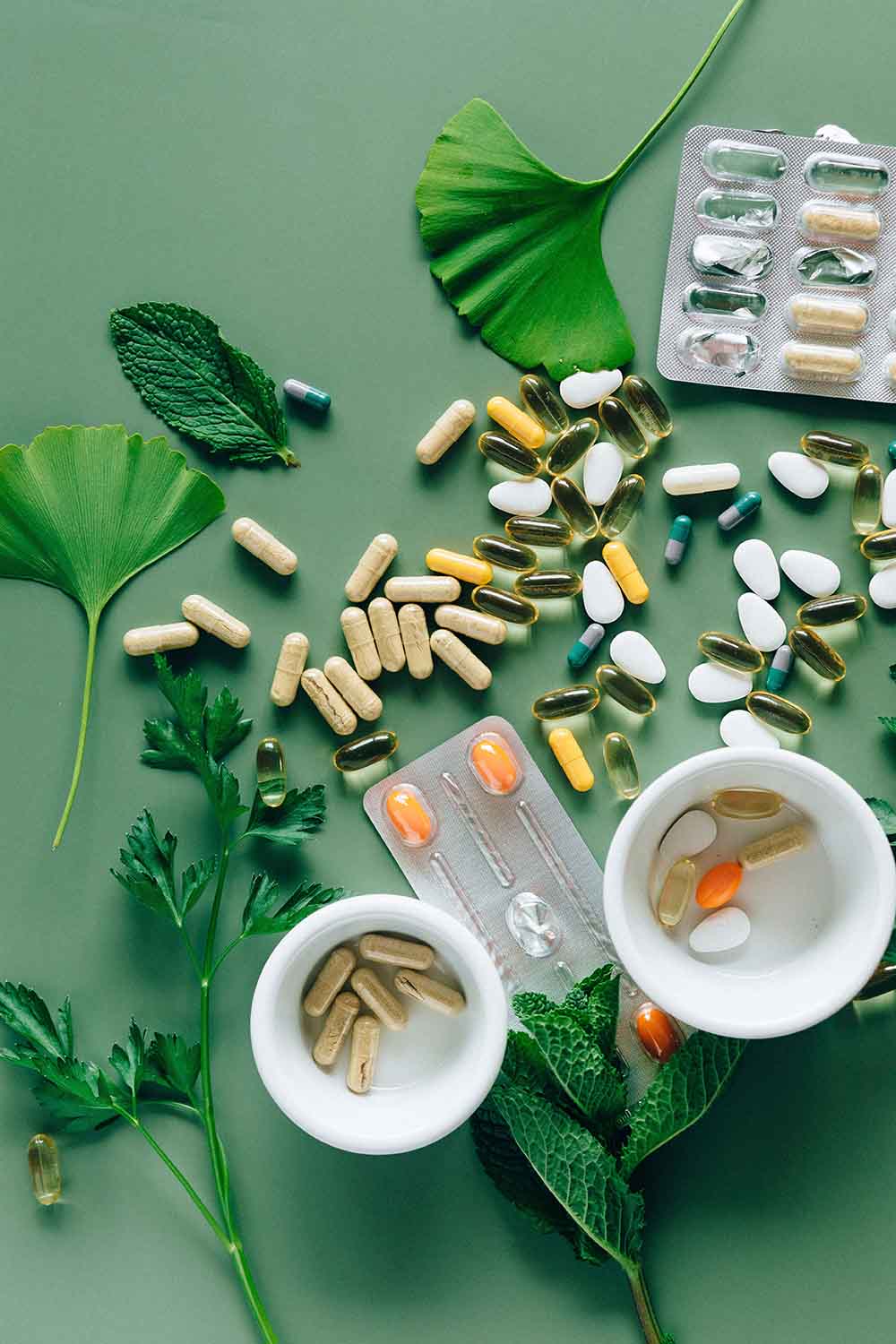
The growing femtech and menstrual wellness market offers genuinely useful innovations, from period tracking to reproductive-health education and clinical tools. But the same marketplace can also benefit when ordinary menstrual variation is framed as a problem requiring intervention. A woman who believes her hormones are ‘out of balance’ has something to buy. Perhaps it is a supplement. A powder. A personalised test. A subscription. A programme. A food plan. Another app.
The psychological appeal is powerful because these products don't merely promise health. They promise certainty. They suggest that if you measure enough, track enough and optimise enough, you can finally understand what your body is doing.
The Problem With Diagnosing Yourself Through An Algorithm
Search engines and social platforms can be useful starting points for health questions. They can also create a phenomenon familiar to anyone who has spent an anxious evening searching symptoms online: once you begin looking, almost everything can appear significant. Period content is particularly susceptible to this because menstruation naturally involves fluctuations in mood, appetite, energy, pain and bodily sensations. That does not mean symptoms should be dismissed. It means context matters.
A woman experiencing debilitating menstrual pain deserves to be heard. Someone with unusually heavy bleeding or persistent changes in her cycle deserves appropriate medical care. But a woman having one irregular month does not necessarily need to embark on an elaborate hormone-reset programme. As Dr Deshpande puts it, ‘The goal of menstrual health education should be to help women understand their bodies, recognise when something needs medical attention and feel comfortable seeking care. It should not make women afraid of every normal variation.’
Dr Deshpande believes that perhaps the most radical idea in the current period conversation is also the simplest, your body does not have to perform perfectly to be healthy. ‘There is value in tracking a menstrual cycle when it helps someone understand their own patterns or communicate useful information to a healthcare professional. There is value in learning about menstrual symptoms and reproductive health. There is value in challenging the silence and stigma that surrounded periods for so long. But awareness becomes counterproductive when it turns into constant checking and aimlessly trying trends online.’
For Poonam, that has meant changing the question she asks herself. ‘I still pay attention to my cycle, but I don't analyse every single change anymore. I've learnt that paying attention to your body and worrying about your body are two different things.’
For Veronica, the lesson has been about learning to pause before accepting something simply because it appears repeatedly on her feed. ‘Now, if I see something online that makes me worried about my period, I try not to immediately assume I have a problem. I remind myself that social media is not my doctor.’
That may be the healthier definition of menstrual awareness: not achieving the perfect period, but becoming comfortable enough with your own body to know when something is ordinary, when something deserves attention, and when the internet needs to be turned off.