Tamil Nadu’s Health Minister KG Arunraj announced on July 18, 2026, that the state is formulating India's first dedicated public health policy for menopausal women. Beyond being another healthcare initiative, this announcement acknowledged a life stage that affects nearly half the population but has remained largely invisible in public health planning.
The women's health agenda in India has focused primarily on reproductive and maternal health. Aspects such as menstrual hygiene, pregnancy, childbirth and family planning policies have rightly sought to improve outcomes during women's reproductive years. But once women move beyond menopause, they often disappear from the healthcare conversation. This could change with Tamil Nadu's proposed policy.
Why Menopause?
Menopause is a natural biological transition, usually occurring between the ages of 45 and 55, when menstrual periods permanently cease due to declining ovarian function. For many women, the transition is accompanied by symptoms that can significantly affect physical, emotional and social well-being. Hot flashes, night sweats, sleep disturbances, mood changes, anxiety, joint pain, fatigue, reduced bone density, weight gain and urogenital symptoms are among the most common complaints. While some women experience only mild discomfort, others face symptoms severe enough to interfere with work, relationships and quality of life.

The health implications also extend well beyond the menopausal transition. After menopause, declining oestrogen levels increase the risk of osteoporosis, fractures, cardiovascular disease and metabolic disorders. Many women also experience changes in cognitive health and sexual well-being, issues that are rarely discussed openly in clinical settings. Given India's rapidly ageing female population, menopause is increasingly becoming a major public health issue rather than simply an individual medical concern.
Tamil Nadu's Proposal
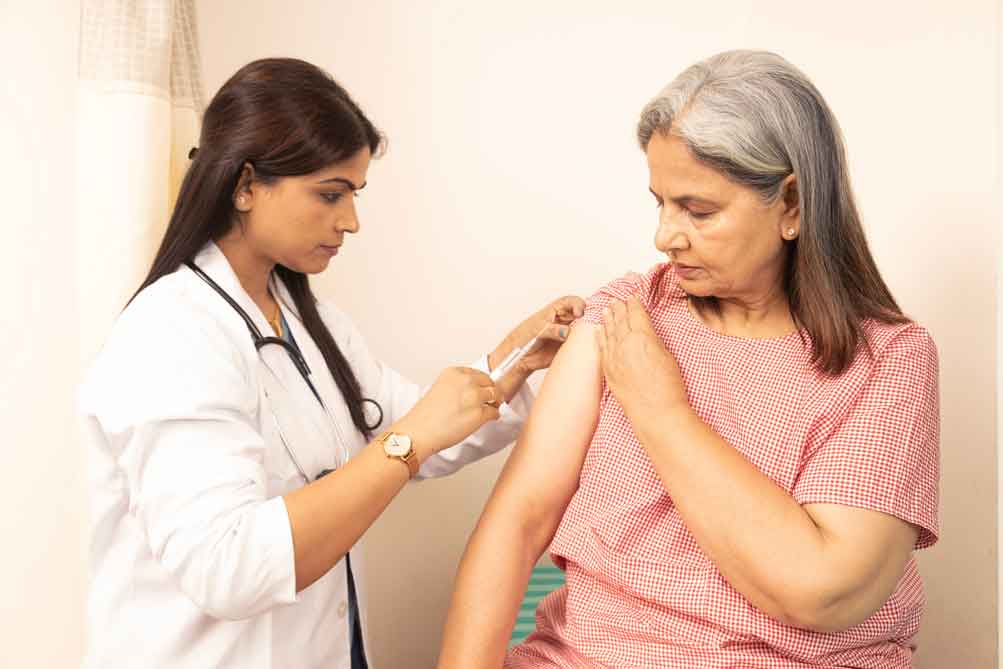
Although the policy is still under formulation, the broad vision outlined by the state government signals an important shift in healthcare priorities. According to the minister, the policy intends to establish structured clinical care pathways specifically for menopausal women. This means moving beyond treating isolated symptoms and instead creating a systematic approach that helps women receive: timely screening, counselling, diagnosis and long-term follow-up.
The proposal also seeks to reduce the social stigma surrounding menopause. Unlike pregnancy or menstruation, which, despite lingering taboos, have increasingly entered public conversation, menopause remains surrounded by silence. Many women dismiss debilitating symptoms as an inevitable part of ageing, while healthcare providers themselves may lack specialised training to recognise and manage menopausal health.
The proposed policy is likely to include:
- Standardised clinical guidelines for identifying and managing menopausal symptoms.
- Training for doctors, nurses and frontline health workers.
- Dedicated counselling and awareness programmes.
- Better referral systems from primary healthcare centres to specialists.
- Screening for osteoporosis, cardiovascular disease and other age-related conditions linked to menopause.
- Mental health support integrated into routine care.
- Community outreach to normalise conversations around menopause.
While the final framework is yet to be released, the emphasis is on making menopausal care part of routine public healthcare rather than treating it as an optional speciality service.
Filling A Longstanding Gap
The minister’s comparison with national programmes for blindness and tuberculosis highlights the uncomfortable truth that India has built disease-specific public health programmes for many conditions but has never developed a coordinated strategy for menopause.
Historically, women's health programmes have been measured by maternal mortality, infant survival, nutrition during pregnancy and reproductive health indicators. These remain vital priorities, but they represent only one phase of a woman's life. Today, Indian women are living longer than ever before. Many will spend nearly one-third of their lives in the post-menopausal stage. Healthcare systems, therefore, need to shift from viewing women primarily through the lens of reproduction to recognising that healthy ageing is equally important. A menopause policy acknowledges that women continue to have unique healthcare needs long after childbearing years are over.
Why Many Women Never Seek Help
One of the biggest challenges is awareness. Many women assume that severe symptoms are simply something they must endure. They may not realise that effective treatments, lifestyle interventions and counselling are available. Others hesitate because conversations about ageing and hormonal changes remain deeply uncomfortable in many families. Women often prioritise the health needs of spouses, children and elderly parents while neglecting their own.
Healthcare providers, too, may inadvertently minimise symptoms by describing them as ‘normal ageing,’ leaving women without practical guidance. This combination of silence, misinformation and limited access means that countless women struggle unnecessarily.
The Economic And Social Impact
Menopause is often discussed as a personal health issue, but its impact extends into workplaces, families and the economy. Women in their late 40s and 50s frequently occupy leadership positions, manage households and care simultaneously for ageing parents and adult children. Persistent sleep disruption, fatigue and cognitive symptoms can reduce productivity and increase absenteeism.
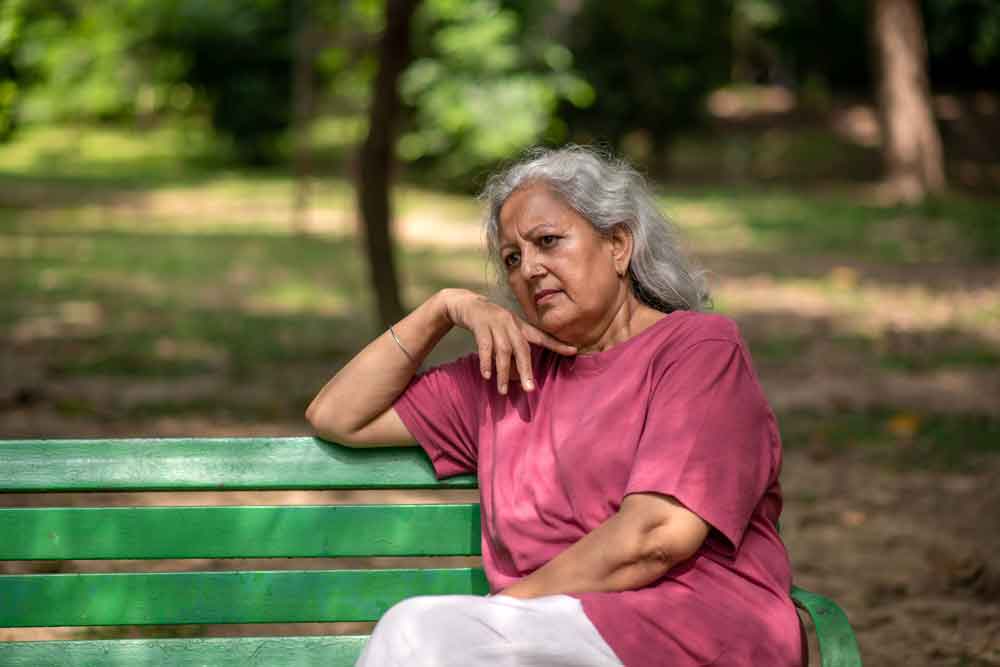
Internationally, employers have begun introducing menopause-friendly workplace policies, recognising that supporting women through this transition benefits both employees and organisations. In India, where women already face barriers to workforce participation, addressing menopausal health could help experienced professionals remain active for longer.
Looking Beyond Symptoms
Experts increasingly advocate for viewing menopause through a broader healthy ageing framework. Routine healthcare during this period can include bone health assessments, cardiovascular risk screening, diabetes and hypertension monitoring, cancer screening, mental health evaluation, nutritional counselling and physical activity guidance. Rather than waiting for disease to develop, menopause offers an opportunity to strengthen preventive healthcare.
If implemented effectively, Tamil Nadu's initiative could become a model for other states. The state's public health system has often pioneered innovations that later influenced national programmes. A successful menopause policy could similarly demonstrate how women's health services can evolve beyond reproductive care.
The challenge, however, will lie in implementation. Clinical guidelines alone will not be enough. Healthcare workers require training, medicines and diagnostic services must be available, and public awareness campaigns must reach women in both urban and rural communities.
Policies must also recognise diversity. Menopausal experiences vary across women depending on socioeconomic status, nutrition, chronic illness, disability and access to healthcare. Any public programme must therefore remain flexible enough to accommodate differing needs.
Tamil Nadu has made a beginning, acknowledging that healthy ageing is not a luxury for some women, but a healthcare right. As India grapples with an ageing population and rising rates of non-communicable diseases, integrating menopausal care into mainstream public health may prove to be both medically necessary and socially transformative.