For most of us, the disposable pad is the only menstrual product we have ever used. Not because it is necessarily the best option out there, but mostly because it is the only one we were often introduced to. Growing up, school health classes usually covered the basics, while mothers just passed down what they knew. And what most of them knew was the pad.
However, with menstrual health increasingly receiving the awareness it deserves, the kind of menstrual products available to us is also changing. As more and more women ask questions about comfort, cost over time and what happens to a pad after it is thrown away, it’s the right time to consider if one of the pad alternatives could be a better fit for you. Let’s break down what some of the easily available options are.
Reusable Cloth Pads
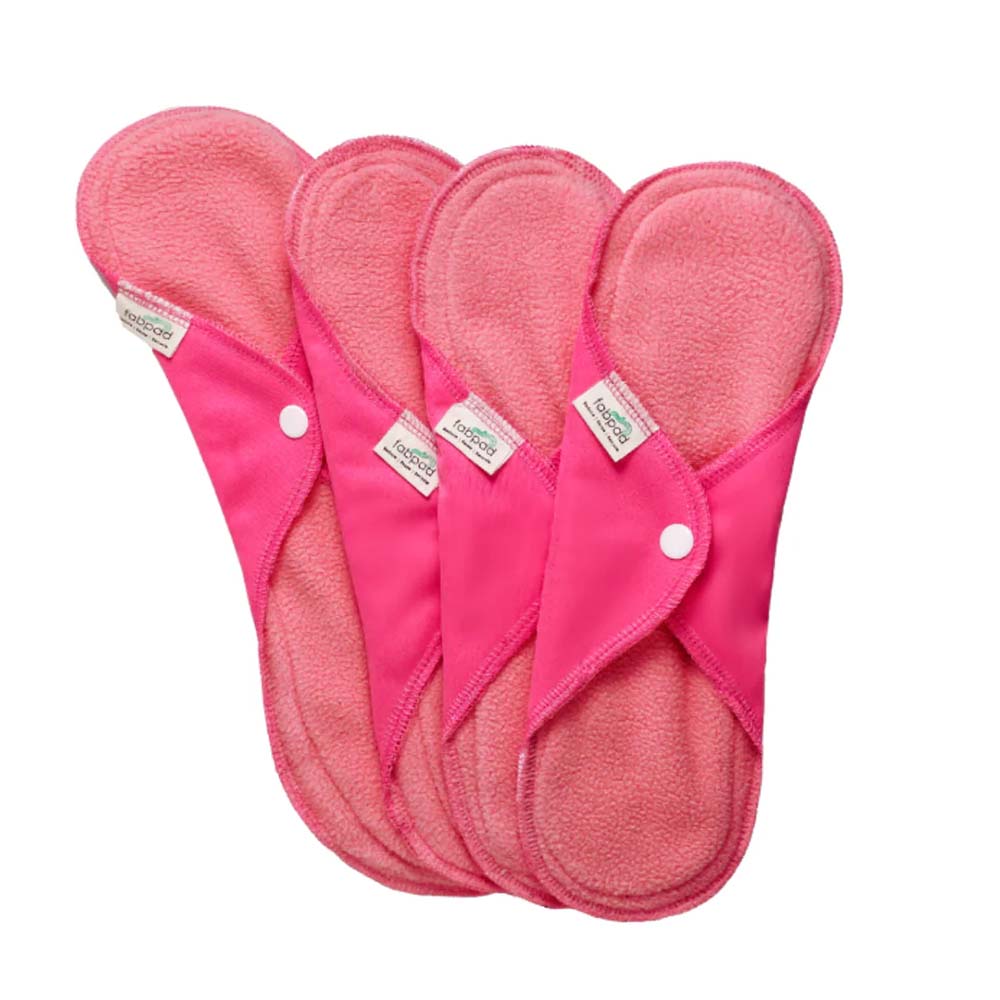
Image Source: fabpad.in
The cloth pad is, in many ways, where this all began. Before disposables existed, cloth was the default and it seems to be making a comeback with better design and more reliable materials.
Modern cloth pads work much like disposable ones, with absorbent layers and leak-resistant backing, but they are washed and reused rather than thrown away. Indian brands like Fabpad offer a range of sizes and absorbencies.
Lifespan: With proper care, a good cloth pad lasts two to five years.
Cost: Upfront cost ranges from ₹200 to ₹600 per pad, but the investment pays for itself within a few cycles compared to buying disposables monthly.
Sustainability: One of the most sustainable options available with no plastic waste, or chemicals against the skin.
Best for: Women looking to reduce waste and long-term spending, and those with sensitive skin who react to the chemicals in disposable pads.
Menstrual Cups
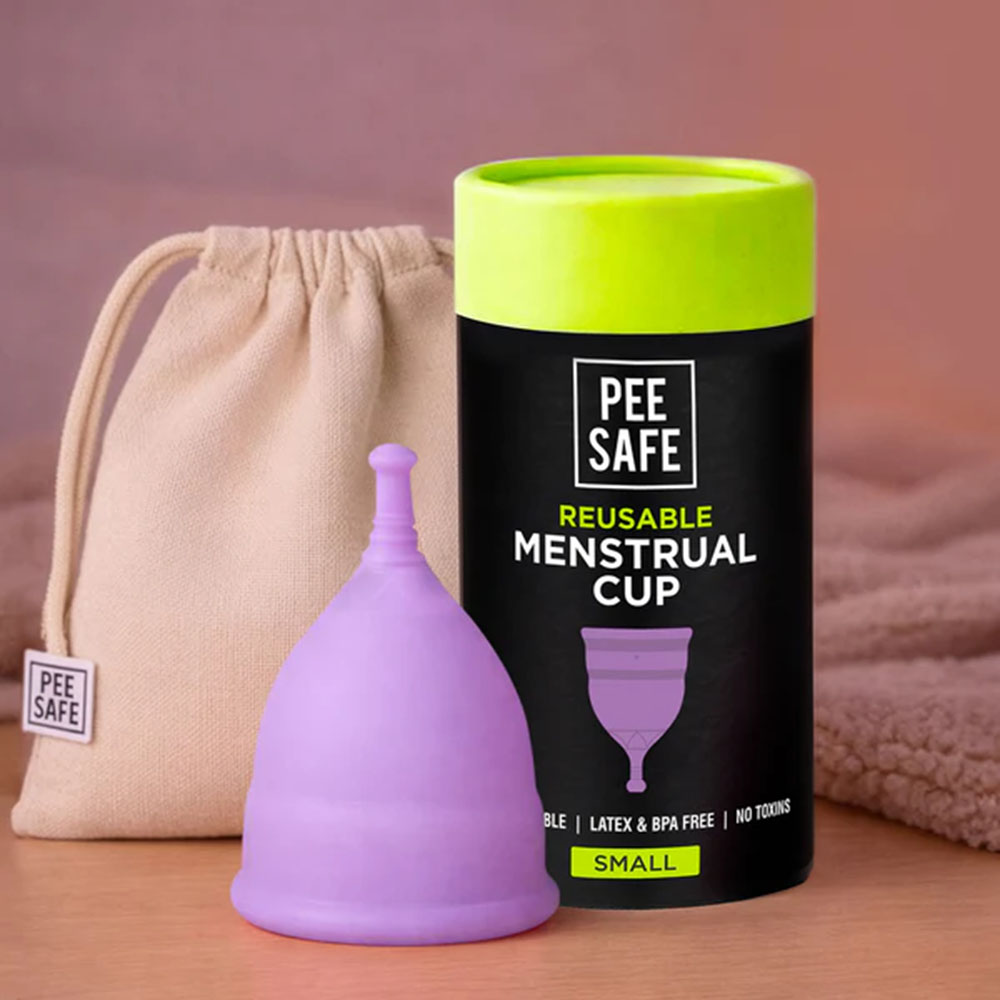
Image Source: peesafe.com
The menstrual cup has probably generated more questions and more scepticism than any other product on this list. Most women who use the menstrual cup often admit they wish they had tried it sooner in life.
A menstrual cup is a small, flexible silicone cup inserted into the vagina to collect menstrual fluid rather than absorb it. It is worn internally, emptied every eight to twelve hours depending on flow, rinsed and reinserted. At the end of each cycle, it is sterilised in boiling water and stored for the next month.
Indian brands like Nua, Pee Safe and Asap offer cups across size ranges.
Lifespan: Up to ten years with proper care.
Cost: ₹300 to ₹800 one-time purchase.
Sustainability: This is one of the most sustainable options out there with one cup having the ability to replace thousands of disposable products over its lifetime.
Best for: Women comfortable with internal products and willing to get through a learning curve of one to two cycles. If you’ve got an IUD, make sure you consult with a doctor before using a menstrual cup.
Period Underwear
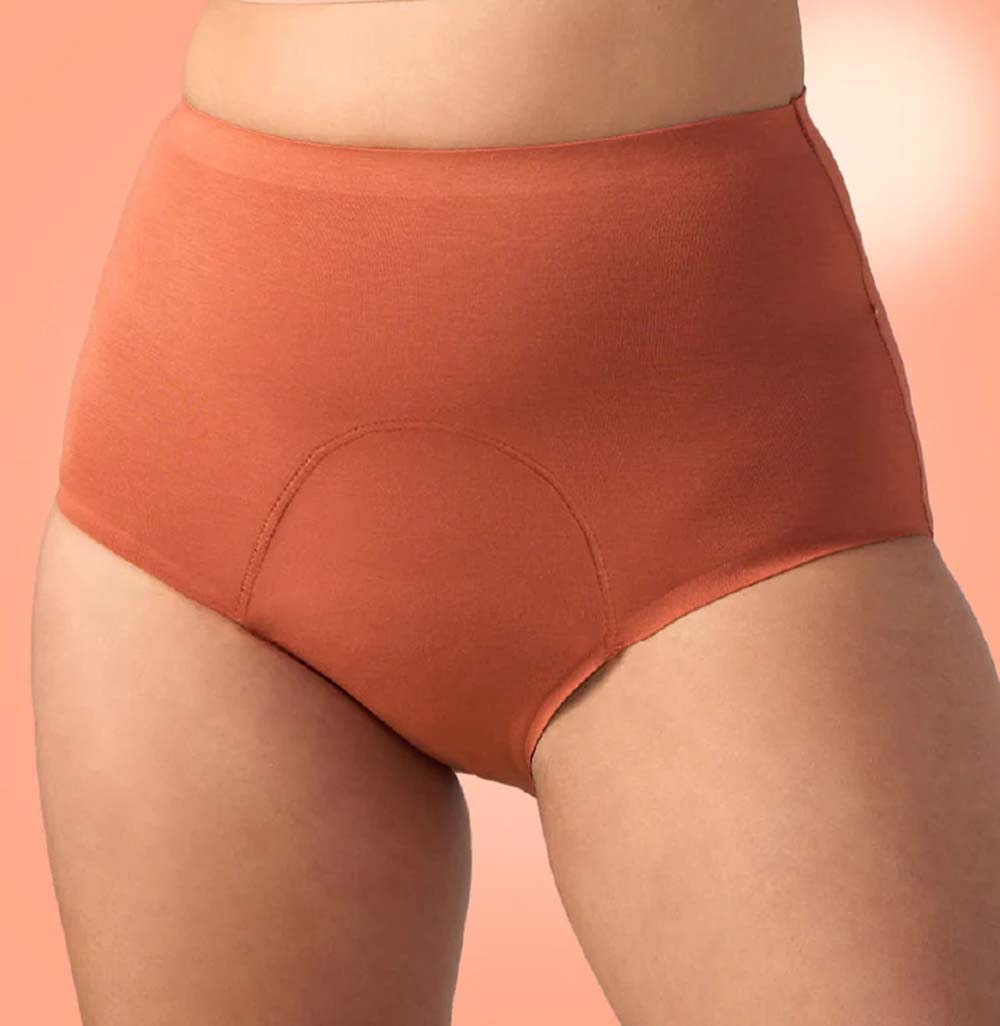
Image Source: mahina.co
Period underwear looks and feels exactly like regular underwear. It includes built-in absorbent layers that hold menstrual flow without leaking. Once used, it is rinsed and washed before it is ready to be worn again.
It’s available in variations of absorbency and can also be used as a backup alongside a tampon or menstrual cup. Indian brands like Mahina and HealthFab make period underwear designed for Indian body types and climates.
Lifespan: Two to three years with regular washing.
Cost: ₹500 to ₹1,500 per pair, depending on the brand and absorbency level.
Sustainability: Reusable and plastic-free, though the synthetic fibres used in the absorbent layers mean it may not be entirely without environmental impact.
Best for: Women who want a product that requires no insertion, works well as it is or doubles as leak protection overnight.
Tampons
A tampon is a compressed absorbent cylinder-shaped product inserted into the vagina to absorb flow before it leaves the body. It comes with a string for removal and is disposed of after use. Some tampons come with an applicator, but many do not.
Tampons are common in many markets across the world but remain underused in India, largely due to cultural discomfort around internal products and limited availability outside major cities. Brands like PeeSafe and FabPad offer biodegradable and organic cotton options, respectively.
Lifespan: Single use.
Cost: ₹150 to ₹300 for a box of ten to sixteen tampons.
Sustainability: Disposable and plastic-heavy, particularly those with applicators. Some brands now offer organic cotton and biodegradable options.
Best for: Women who want an internal option without the commitment of a cup, particularly for swimming or physical activity.
Menstrual Discs
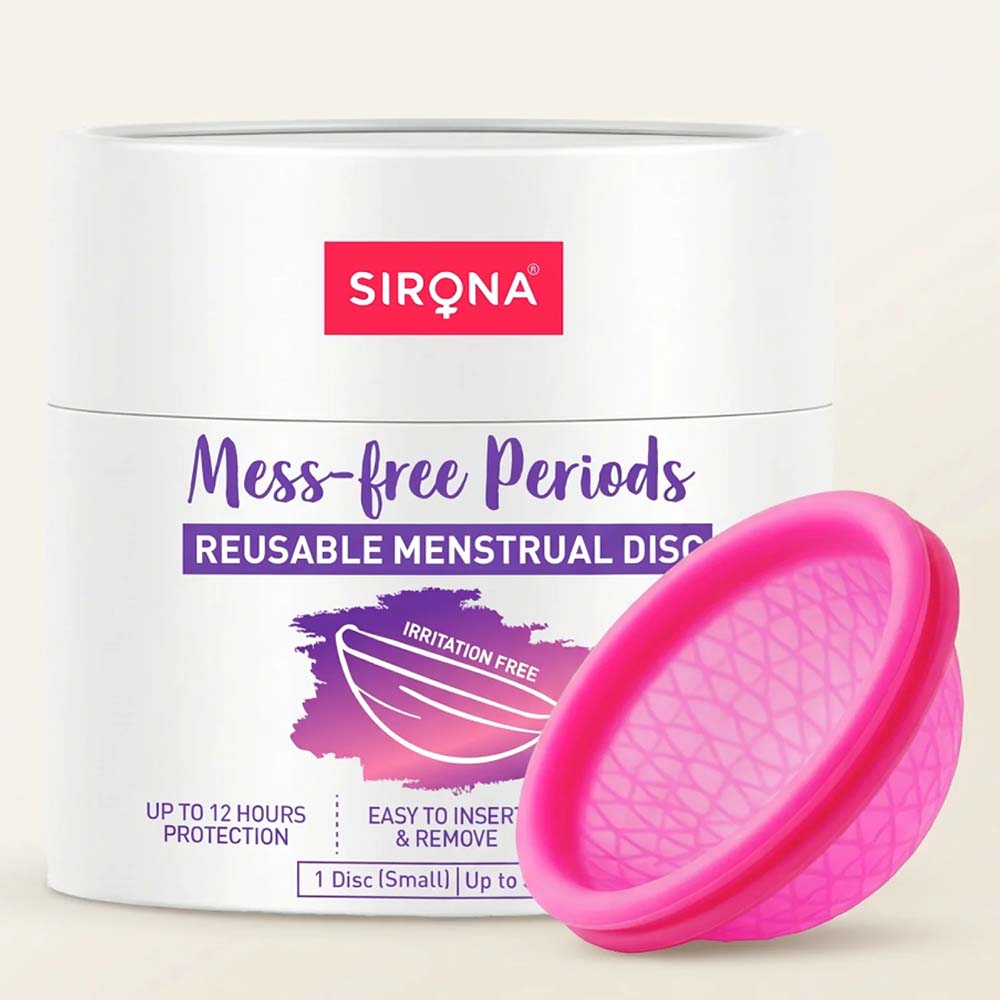
Image Source: thesirona.com
The menstrual disc is the newest product on this list, and the least widely known in India. Like a cup, it is inserted internally but it sits higher up, at the base of the cervix, unlike in the case of a menstrual cup, which sits in the vaginal canal. Menstrual discs collect rather than absorbs flow.
It can be worn for up to twelve hours, removed and disposed of. Most discs currently available are single-use, though reusable versions are beginning to enter the market. Brands like Sirona and PeeSafe offer reusable options in India.
Lifespan: Single use for most currently available options; reusable versions last one to two years.
Cost: ₹800 to ₹1,500 for a pack, depending on the brand.
Sustainability: Disposable discs carry a similar environmental load to tampons; reusable options are considerably better.
Best for: Women who experience discomfort with cups, or those who want an internal option.
So, Which One Is Right For You?
The right product depends on your body, your lifestyle, your budget and how much change you are ready to take on at once. If you are curious about reusables but not ready for a cup, a cloth pad is a low-commitment place to start. If you want to cut both cost and waste in the long run, the menstrual cup is hard to beat. If you want something that requires no thought, period underwear is as easy as it gets.