The Indian story of bone health has always been accompanied by the familiar image of a glass of milk. Television advertisements linked dairy to strength, height and healthy bones. And for generations of women who are prone to osteoporosis, calcium was almost synonymous with milk. Today, on World Milk Day, let’s take a look at how that story is evolving.
Urban Indian women today are asking new questions. Is milk the only route to strong bones? What if you are lactose intolerant? Can almond, soy or oat milk do the same job? Are calcium supplements enough? And why are osteoporosis rates still rising despite decades of calcium messaging? The answers lie in a rapidly evolving understanding of nutrition, women's health and bone biology.
The Calcium Gap
One of the biggest misconceptions about osteoporosis is that it is a disease of old age. In reality, experts say bone health is built much earlier. Women achieve most of their peak bone mass during adolescence and early adulthood. By the late twenties, the body's ability to build bone reaches its maximum, after which the focus shifts to maintenance. Recent medical commentary has emphasised that many women begin thinking about calcium only around menopause, when significant bone loss may already have occurred.

This matters particularly in India, where calcium intake remains below recommended levels for many women. A 2024 study from Chandigarh examining urban adults found widespread inadequacy in dietary calcium intake, highlighting a persistent nutritional gap even among city populations. Research from Hyderabad examining women aged 19 to 35 also found links between lower calcium intake and reduced bone density, suggesting that risk factors for osteoporosis may begin decades before symptoms appear.
Why Milk Is The Hero
Says Chennai-based nutritionist Lekha Swaminathan, ‘Dairy products provide calcium in a form the body absorbs relatively efficiently. They also contain protein, phosphorus and other nutrients that contribute to bone health. Calcium absorption from dairy products is generally higher than from many plant foods that contain compounds such as oxalates and phytates, which can interfere with absorption. For Indian families, milk also has practical advantages. It is familiar, cost-effective, culturally accepted and widely available.’
Yet nutritional science today increasingly stresses that bone health cannot be reduced to a single food. Milk for strong bones may be memorable advice, but bones are influenced by multiple factors including vitamin D status, physical activity, protein intake, hormonal changes, genetics and overall dietary patterns. Recent reviews have reiterated that dairy can be beneficial, but it is only one part of a much larger conversation.
Lactose Intolerance
Lekha says, ‘Many adults experience some degree of lactose intolerance, where the body produces lower levels of lactase, the enzyme needed to digest milk sugar. Symptoms such as bloating, abdominal discomfort and digestive upset often lead women to reduce or eliminate dairy consumption. In India's urban centres, awareness of food sensitivities has grown dramatically. Young professionals are more likely to experiment with elimination diets, vegan lifestyles and alternative milks than previous generations.’
Plant-based Alternatives
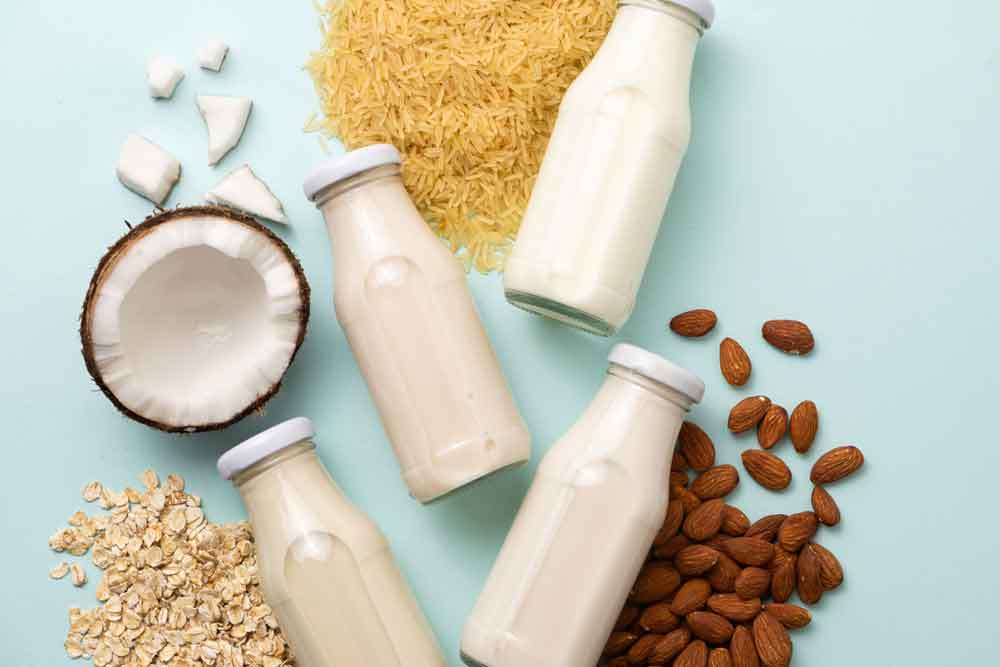
The rise of plant-based beverages reflects broader changes in urban India. Supermarket shelves now carry soy, almond, oat and coconut-based drinks that were rare just a decade ago. But nutritionists caution that not all alternatives are nutritionally equivalent. Fortified soy milk can provide calcium levels comparable to dairy milk. Some fortified products also contain vitamin D and vitamin B12. However, many plant-based beverages naturally contain much less calcium unless manufacturers add it during processing.
Another issue is bioavailability or the proportion of a nutrient the body can actually absorb and use. Certain plant foods contain substantial calcium but also contain oxalates or phytates that reduce absorption. Spinach is a classic example. Despite being rich in calcium on paper, the body absorbs only a small fraction of it. Kale, broccoli and fortified soy products tend to offer better calcium availability. Recent research reviews have raised questions about whether poorly planned long-term vegan diets may increase osteoporosis risk, particularly when calcium, vitamin D and protein intake are inadequate. At the same time, experts believe that well-designed plant-based diets can support bone health when appropriately fortified and supplemented.
The Supplement Era
Another striking change among urban women is the growing reliance on supplements. Walk into any pharmacy and shelves are lined with calcium tablets, calcium-vitamin D combinations and bone-health formulations targeted specifically at women. Part of this trend stems from convenience. Swallowing a tablet feels easier than carefully tracking dietary intake. Yet clinicians increasingly caution against viewing supplements as a magic solution.
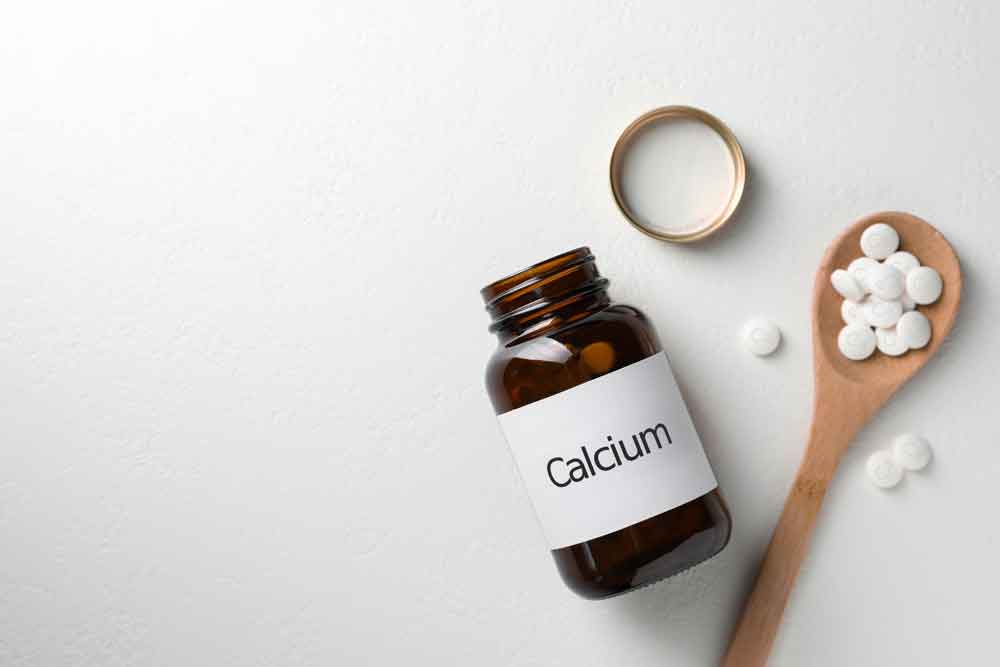
Research suggests that supplementation may be appropriate for women with documented deficiencies, osteoporosis, osteopenia or elevated risk factors. However, experts generally prefer obtaining nutrients from food whenever possible because foods provide a wider package of beneficial compounds, including protein, magnesium and trace minerals that support skeletal health.
Moreover, calcium does not work alone. Without adequate vitamin D, absorption suffers. Without weight-bearing exercise, bones receive fewer signals to maintain density. Without sufficient protein, bone structure itself may be compromised.
The Solution? Diversified Nutrition
Perhaps the biggest shift in messaging is moving away solely from dairy dependence toward dietary diversity. ‘Today's evidence-based approach to bone health is broader and more nuanced,’ explains Lekha. For those who cannot process or rely solely on dairy, she recommends the following:
- Dairy or fortified alternatives, depending on individual tolerance.
- Protein from pulses, dairy, eggs, fish or other sources.
- Calcium-rich foods including curd, paneer, sesame seeds, ragi, tofu and leafy vegetables.
- Adequate vitamin D through sunlight exposure, food and supplementation when necessary.
- Regular resistance and weight-bearing exercise.
- Avoidance of smoking and excessive alcohol.

This framework recognises that women have different needs at different life stages. A teenager building peak bone mass requires a different strategy than a pregnant woman, a perimenopausal executive or a 70-year-old managing osteoporosis.
World Milk Day often sparks discussions on dairy versus non-dairy, traditional versus modern, natural versus fortified. But the most important lesson emerging from current nutritional science is that women's bone health should not be reduced to a single product category. Milk undoubtedly remains a valuable source of calcium and protein for many women. For others, fortified plant-based alternatives, supplements and carefully planned diets may serve the same purpose. The real challenge is not choosing sides in a dietary debate but ensuring adequate intake of the nutrients that bones require throughout life.