You finally crawl into bed after a long day, hoping for a good night's sleep. But instead of drifting off, your legs begin to ache, and moments later you’re found massaging your own thighs while looking for some pain-reducing balm. Your knees throb for no obvious reason.
Sound familiar? Bone pain is something many people associate with ageing, arthritis or menopause. But doctors are increasingly seeing young adults in their twenties complaining of deep, nagging aches that become more noticeable at night.
According to Dr Juilee Mhatre, these aches shouldn't be ignored. While an occasional sore muscle after a workout is perfectly normal, persistent bone or deep joint pain can sometimes point towards underlying nutritional deficiencies, hormonal changes or even mental health concerns.

Why Does It Hurt More At Night?
Interestingly, many people notice bone pain only when they go to bed. That's partly because the body is finally still. During the day, movement, work and distractions keep your brain occupied. At night, with fewer external stimuli, you're far more aware of discomfort. But biology also plays a role.
Hormones such as cortisol naturally follow a circadian rhythm. Cortisol, often called the body's stress hormone, is naturally lowest late at night. Since cortisol also helps regulate inflammation, this overnight dip may make existing aches or inflammation feel more noticeable. Low mood and depression can further increase how intensely the brain perceives pain, creating a cycle where pain disrupts sleep, and poor sleep worsens pain the following night.

The Most Common Culprit: Vitamin D Deficiency
Living in one of the sunniest countries in the world doesn't necessarily protect us from vitamin D deficiency. Research suggests that vitamin D deficiency affects a large proportion of Indians, despite abundant sunshine, thanks to indoor lifestyles, pollution, sunscreen use and limited dietary sources. Several Indian studies estimate deficiency rates ranging from 50 per cent to over 70 per cent in many populations.
Vitamin D isn't just another vitamin. It helps your body absorb calcium, which keeps bones strong and healthy. When vitamin D levels fall, calcium absorption drops dramatically. Over time, bones can become softer and weaker, leading to dull aches, muscle weakness and increased risk of stress fractures.

Calcium Deficiency Often Hides In Plain Sight
Many young adults don't consume enough calcium either. Skipping dairy, relying on processed foods, following restrictive diets or constantly eating on the go can all reduce calcium intake.
Calcium doesn't only strengthen bones. It also helps muscles contract properly, supports nerve signalling and keeps the heart functioning normally. When calcium intake remains low, especially alongside vitamin D deficiency, the body begins borrowing calcium from the bones to maintain normal blood levels. Over time, this can contribute to persistent bone discomfort.

Could Stress Or Depression Be Playing A Role?
Sometimes, the source of pain may not be physical. Depression and chronic stress can change how the brain processes pain signals, making everyday aches feel more intense. Studies have also found an association between vitamin D deficiency, depression and musculoskeletal pain, although vitamin D deficiency alone doesn't directly cause depression in every individual.
If your bone pain is accompanied by persistent low mood, poor sleep, fatigue or loss of interest in activities you usually enjoy, it's worth discussing both physical and mental health with your doctor.
Other Reasons Your Bones May Ache
While deficiencies are common, they're not the only explanation. Night-time bone pain may also be linked to:
- Overuse from exercise or prolonged standing
- Poor posture while working or studying
- Early inflammatory joint conditions
- Stress fractures
- Certain medications
- Less commonly, underlying bone disorders
Persistent or worsening pain always deserves proper medical evaluation.
When Should You See A Doctor?
Book an appointment if:
- The pain lasts for more than two weeks.
- It regularly disrupts sleep.
- You notice swelling, redness or tenderness.
- The pain is severe or affects daily activities.
- You experience unexplained weight loss, fever or fatigue alongside the pain.
A doctor may recommend blood tests to check vitamin D, calcium and other markers before deciding on treatment.
Looking After Your Bones In Your 20s
Your twenties are when you're building the bone strength you'll rely on for decades.
Simple habits can make a big difference:
- Spend 15–20 minutes in morning sunlight several times a week.
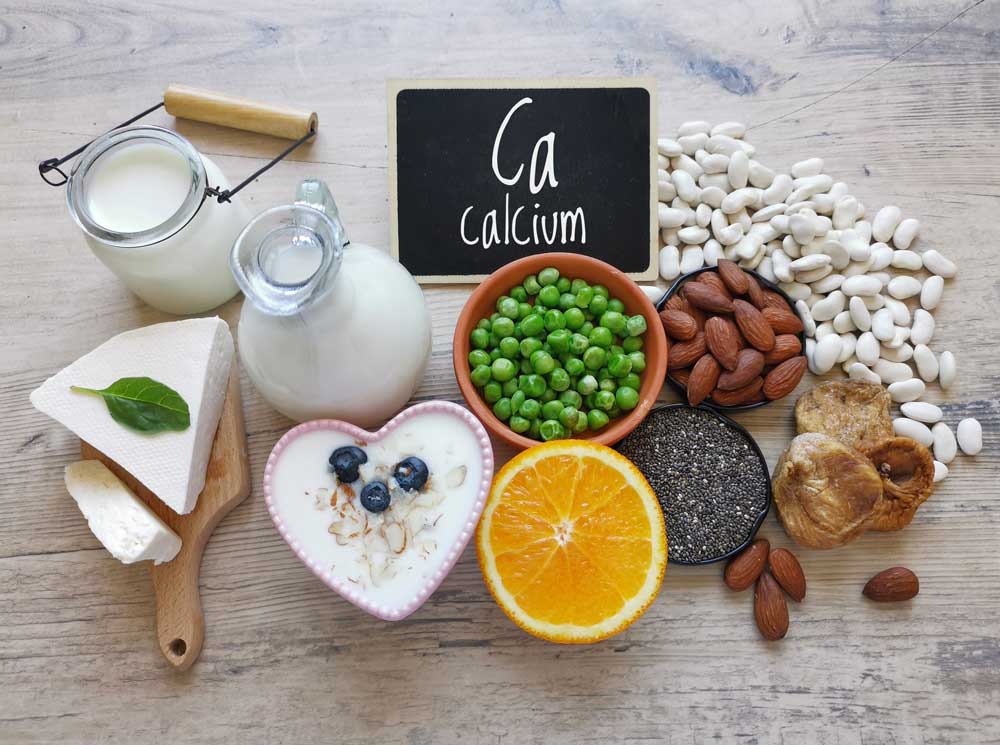
- Eat calcium-rich foods such as dairy, ragi, sesame seeds, tofu and leafy greens.
- Include protein in every meal.
- Do weight-bearing exercises like walking, strength training or skipping.
- Avoid smoking and excessive alcohol.
- Take vitamin D or calcium supplements only after medical advice.
Bone pain isn't reserved for older adults. If your body keeps reminding you that something hurts every night, don't just blame long workdays or bad posture. Sometimes, it's your body's way of asking for nutrients, better sleep, stress management or a proper health check-up.