Why does eating a slice of cake so often come with a side of guilt? Women are constantly taught to view food through the lens of discipline and body image. But what happens when healthy eating becomes so psychologically complicated that enjoying food feels like a failure?
You have eaten the cake at a birthday party, ordered the pasta you were craving or had an extra scoop of ice cream. Then comes the mental calculation: I'll skip dinner. I'll work it off tomorrow. I shouldn't have eaten that. For many women, this has become such a familiar part of eating that it barely registers anymore. Food is divided into categories, clean and unhealthy, allowed and forbidden, good and bad. A salad becomes evidence of discipline; dessert becomes something that needs to be justified.
The language around food has become remarkably moralistic. We talk about ‘cheating’ on our diets, ‘being good’ during the week and ‘falling off the wagon’ at the weekend. We promise to compensate for dinner with a harder workout or a smaller breakfast the next day.
But what if the problem isn't the dessert?
What if it is the relationship we have been taught to have with food?
Why Dessert Isn't The Villain
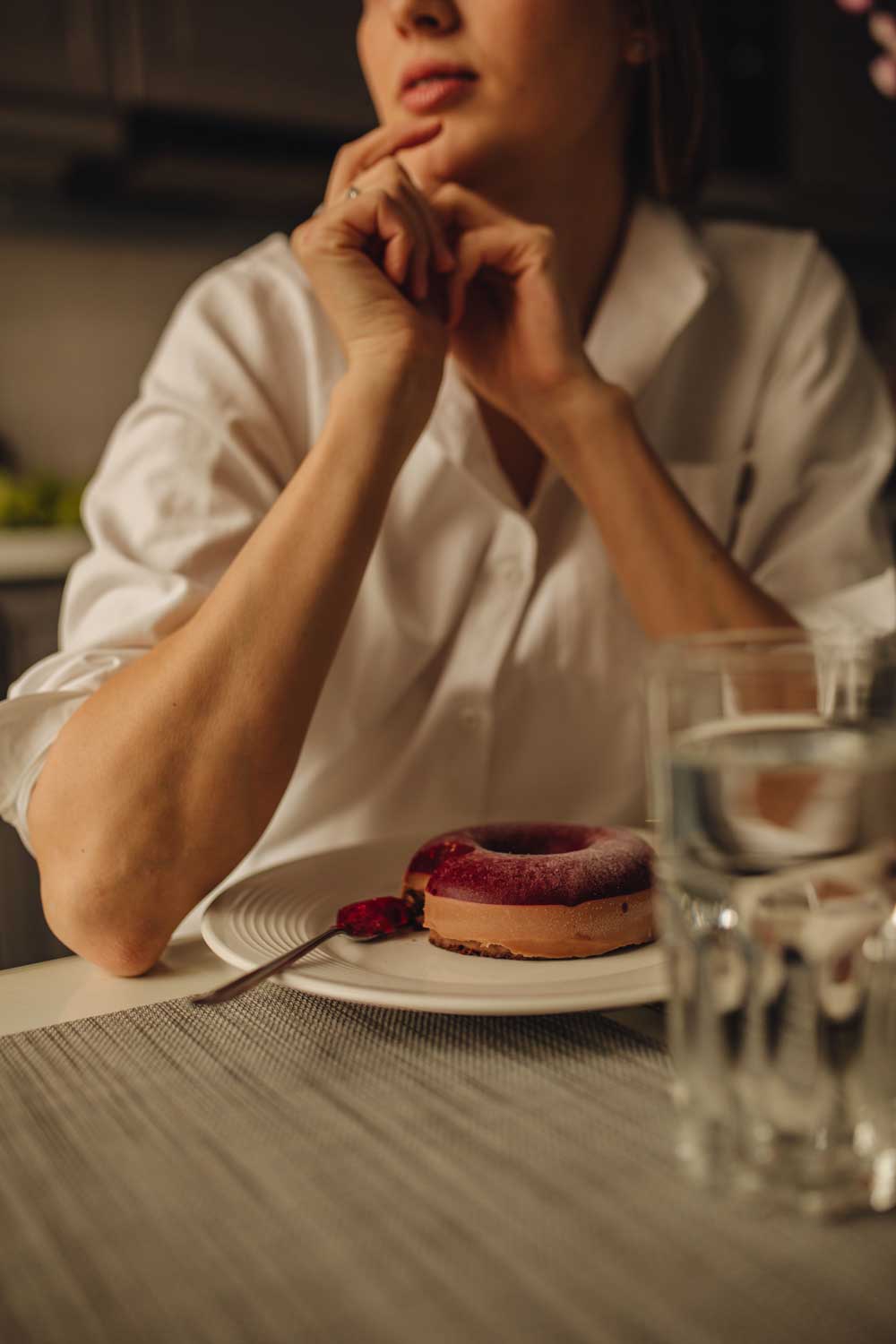
There is an important distinction to make here. Saying that dessert isn't ‘bad’ does not mean pretending that a slice of cake has the same nutritional profile as a bowl of vegetables or a protein-rich meal. It doesn't. But nutrition is not the only reason humans eat. Food is also pleasure, culture, comfort, celebration and connection. A birthday cake isn't meant to replace dinner. A piece of mithai has a different role from a bowl of dal. The ice cream you share with your child isn't competing with your lunch for nutritional superiority.
A healthy diet can contain foods whose primary contribution is enjoyment. The problem comes when that enjoyment is treated as evidence that you have lost control. Eating dessert does not undo the nutritional value of everything else you have eaten that day, just as eating a salad does not magically make an otherwise poor diet healthy.
Rigid, all-or-nothing thinking can make eating psychologically exhausting, particularly when weight and body image are already sources of anxiety. Pallavi Mehra, a Mumbai-based nutritionist, believes that a healthy approach to food is less about restriction and more about balance. ‘Diet is not about starving yourself or simply eating less. It is about choosing the right foods, in the right quantities, and at the right time. Having a milkshake or a dessert does not need to leave you feeling guilty. If it is enjoyed in moderation, preferably as part of or after a balanced meal, and your overall diet is nutritious, there is no reason to see it as a failure.’
The Female Body Rarely Gets To Exist Without Being Evaluated

For women, food guilt is often inseparable from body image.
The pressure can begin in adolescence and continue through adulthood: lose weight, stay slim, look toned, manage PMOS, get your pre-pregnancy body back. Social media has made that conversation even louder, often presenting restrictive diets and ‘clean eating’ as evidence of self-control.
Research has documented the connection between these pressures and body image. The study, ‘Body image and eating disturbance in India: Media and interpersonal influences,’ published in the International Journal of Eating Disorders, examined adolescent and adult women in Mumbai and found associations between teasing, internalisation of media ideals and body dissatisfaction, with some links to drive for thinness.
‘Sometimes a woman isn't frightened of the cake. She is frightened of gaining weight. She is frightened of losing control. She is frightened that enjoying food means she isn't disciplined enough.
And those fears can look very different depending on where a woman is in her life,’ says Mehra.
‘Consider a teenager who has just been diagnosed with PMOS. She may already be navigating acne, irregular periods, body changes and the complicated experience of growing up in a culture that constantly comments on women's appearance. Add the instruction to ‘lose weight’ and food can quickly become another source of anxiety,’ she adds.
For a teenager, learning to manage PMOS should ideally mean understanding her health and learning how to nourish herself. It shouldn't mean developing a fear of food. Renuka Ahuja, 16 says, ‘I have always loved the way I look, I loved my curves and I loved cooking and enjoying food, but when I was diagnosed, I started thinking that everything I liked eating was bad for me. If I had chocolate or went out for sushi, I felt like I had ruined everything. I was constantly thinking about losing weight. It reached a point where I had isolated myself from everyone so that I could only eat steamed vegetable without giving in to my cravings. I'm slowly learning that managing PMOS should be about taking care of myself rather than feeling guilty about every food I enjoy.’
For new mothers, the pressure often arrives in the form of the phrase ‘bounce back’. A woman can spend months growing and giving birth to a baby, only to find that conversations about her health quickly become conversations about how much weight she has lost. Yet postpartum recovery comes with its own nutritional, physical and emotional demands. For Priyanka, 37, the pressure to lose the weight began almost immediately after having her baby. ‘I felt like everyone was waiting for me to lose the weight. I was exhausted and genuinely hungry, yet I still felt guilty whenever I had something sweet or ordered food instead of cooking. Eventually, I realised how much mental energy I was spending worrying about what I was eating, when I should have been listening to what my body actually needed to recover.’
‘A new mother may be sleep-deprived, recovering from childbirth, breastfeeding, returning to work or simply trying to understand how to function with an infant. Food can be one of the few sources of comfort and energy available to her. Perhaps the question postpartum shouldn't be ‘How quickly can you lose the weight?’ but ‘How can we help you feel nourished and supported while your body recovers?’, says Mehra.
So What Does A Healthy Relationship With Food Look Like?
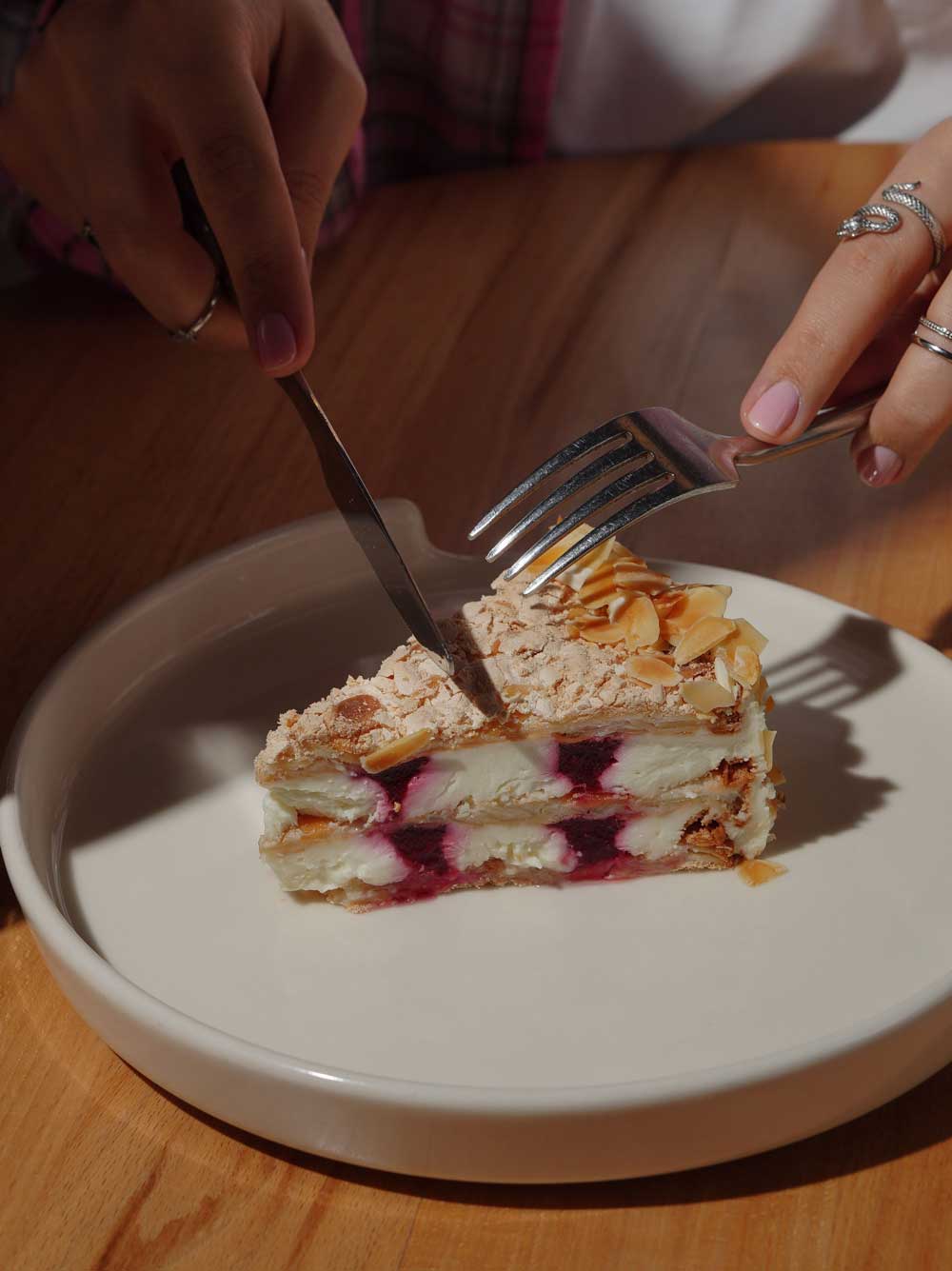
‘It is surprisingly ordinary,’ says Mehra. ‘It means you can eat when you're hungry without wondering whether you've ‘earned’ the meal. You can recognise that some foods are more nutrient-dense than others without turning that into a moral hierarchy. You can enjoy a dessert and return to your normal eating pattern afterwards rather than feeling compelled to compensate.’
A healthy relationship with food is one where nourishment, enjoyment and flexibility can coexist. Instead of labelling foods as completely good or bad, we should look at the overall eating pattern, individual nutritional needs and whether the approach is sustainable.
She further explains, ‘When it comes to dessert, there is no universally ‘correct’ time to eat it. Having it after a balanced meal can help because the meal provides protein, fibre and other nutrients, which may slow the rise in blood sugar compared with eating something sugary on an empty stomach. For some people, having dessert earlier in the day may also feel more comfortable, particularly if eating sweets late at night affects their sleep or digestion. The bigger picture, however, matters more than the clock: dessert can be part of a balanced diet without becoming a source of guilt.’
The Part We Don't Talk About Enough: Moving On
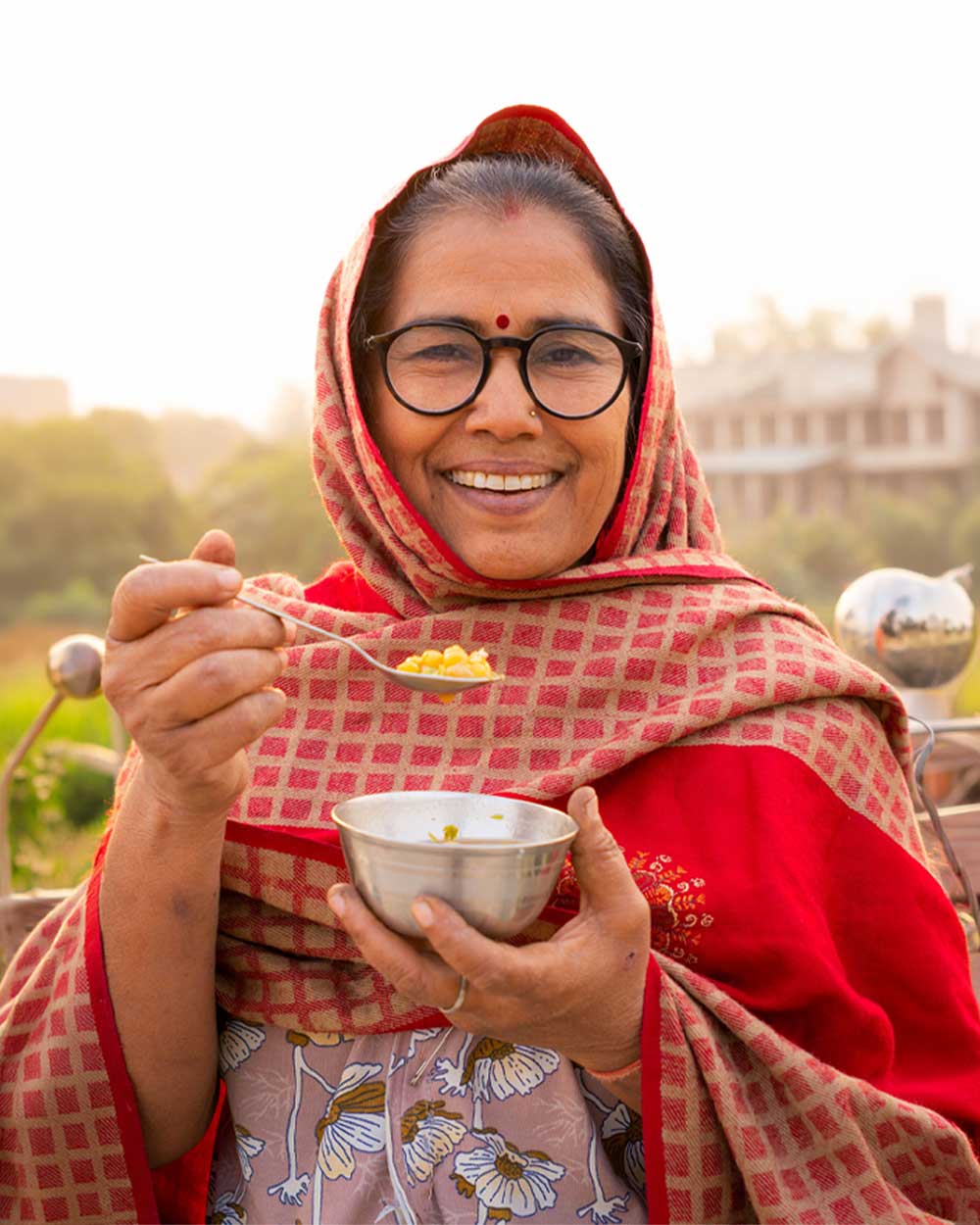
Perhaps one of the clearest signs of a healthy relationship with food is what happens after you eat something you enjoyed. ‘You have the cake. You enjoy it. Then you carry on. You don't skip breakfast the next morning. You don't punish yourself at the gym. You don't decide that the day is ruined and therefore you may as well keep eating. You don't spend hours thinking about whether you have ‘failed’. You simply eat your next meal. That ability to move on is important because food should occupy a meaningful place in our lives without becoming the centre of our emotional lives,’ says Mehra
There will always be foods that are more nutritious than others. There will always be days when we eat differently from our usual routine. There will be celebrations, cravings, stressful days, holidays and late-night dinners. A healthy relationship with food has enough flexibility to accommodate all of them. Perhaps that is the conversation women need to have more often: not ‘How do I become disciplined enough to never want dessert?’ but ‘Can I nourish my body while allowing myself to enjoy food without turning that enjoyment into guilt?’
The answer doesn't require us to declare cake a health food. It simply requires us to stop treating the woman who eats it as if she has done something wrong. Sometimes a dessert is just dessert. And being able to enjoy it without punishment and shame, is part of a healthy relationship with food.