We've all done it. One more email before bed. One more episode. One more load of laundry. Suddenly it's well past midnight, and the alarm is only a few hours away.
We tell ourselves we'll catch up on sleep over the weekend. But unlike replying to messages or finishing chores, sleep doesn't work on an ’I'll do it later‘ basis. Every hour you sacrifice slowly adds up into what experts call sleep debt, and your body notices long before you do.
According to the World Health Organization, adults should aim for seven to nine hours of sleep each night. Yet studies suggest that a large proportion of women regularly fall short, often because they're balancing work, caregiving, household responsibilities and the invisible mental load that comes with managing everyday life.

Why Women Often Lose Sleep First
For many women, sleep becomes the easiest thing to compromise.
Whether it's staying awake to finish office work, caring for children or ageing parents, or finally finding an hour of quiet after everyone else has gone to bed, rest is often pushed to the bottom of the priority list.
’Women frequently put everyone else's needs ahead of their own,’ explains Dr Mahera Valiulla. ’Over time, this pattern becomes normalised, but the body doesn't simply adapt to chronic sleep deprivation. It begins to show signs that something is out of balance.’
Your Body Pays The Price
Sleep isn't simply about feeling rested. It's when your body repairs itself, regulates hormones and resets your brain for the next day. When sleep becomes irregular, several systems begin to suffer.
According to Dr Valiulla, poor sleep can contribute to:
- Hormonal fluctuations
- Increased cortisol (the stress hormone)
- Mood swings and irritability
- Difficulty concentrating
- Lower immunity
- Stronger cravings for sugary foods
- Persistent fatigue despite resting
Over time, insufficient sleep has also been linked with a higher risk of obesity, Type 2 diabetes, cardiovascular disease and anxiety.

Why You're Suddenly Craving Sugar
Ever noticed how the day after a poor night's sleep, biscuits and coffee suddenly become irresistible? There's science behind it.
Lack of sleep affects the hormones that regulate hunger, increasing ghrelin (which stimulates appetite) while reducing leptin (which signals fullness). As a result, you're more likely to crave quick sources of energy, especially sugary and processed foods.
It's not lack of willpower, it's your brain searching for a fast energy boost.
The Hidden Habit Keeping Women Awake
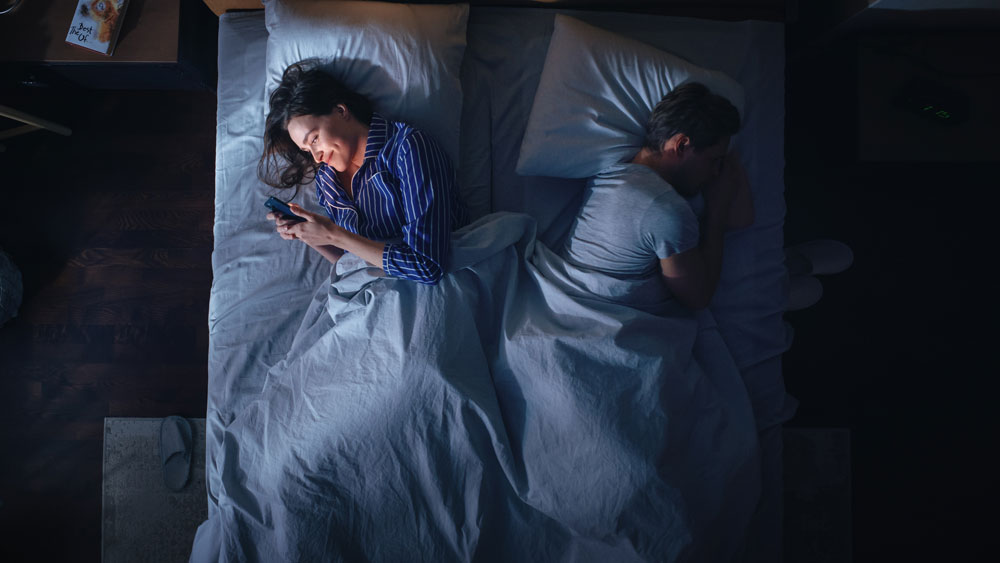
Ironically, many women delay sleep because it's the only uninterrupted time they have for themselves. Scrolling through social media, watching television or reading in bed can feel like reclaiming personal time after a long day. This behaviour, often called revenge bedtime procrastination, offers temporary relief but usually leaves you even more exhausted the next morning.
Can You Really Catch Up On Lost Sleep?
Sleeping until noon on Sunday may feel wonderful, but it doesn't completely erase days or weeks of sleep debt. While an occasional lie-in can help you recover from a particularly late night, experts say consistent sleep is far more beneficial than trying to ‘repay’ lost hours all at once.
Instead of chasing perfect sleep, focus on building healthier habits every day.

Small Changes That Make A Big Difference
Dr Valiulla recommends treating sleep as an essential part of your health rather than a reward after everything else is done.
Some simple habits include:
- Aim for a consistent bedtime and wake-up time, even on weekends.
- Reduce screen time at least an hour before bed.
- Avoid caffeine late in the afternoon and evening.
- Eat a light dinner two to three hours before sleeping.
- Create a calming bedtime routine, whether that's reading, stretching or practising deep breathing.
- Share household responsibilities instead of carrying the entire mental load yourself.
Rest Isn't Something You Earn
Many women have been taught that productivity equals worth. But constantly functioning on empty isn't something to celebrate.
’The healthiest thing you can do is recognise that rest is a biological necessity, not a luxury,’ says Dr Valiulla. ’’When women prioritise sleep, they're not being unproductive, they're protecting their physical, emotional and long-term health.’