The other day, I caught myself switching between three apps mid-conversation, while also trying to respond to a work email—all in the span of five minutes. Meanwhile, my two-year-old nephew was deeply engrossed in stacking colourful blocks, entirely focused on his mini architectural masterpiece. That’s when it hit me: Has my attention span become shorter than his? Spoiler alert: yes.
And I know I’m not alone in this. In a world of constant pings, scrolls, and dopamine hits, our ability to focus is quietly crumbling. If your brain feels like a browser with 43 tabs open, none of which are loading properly, you’re in the same boat. But before we resign ourselves to this scattered state, let’s unpack with Janvi Rathore, Psychologist at The Mood Space, with what’s really going on, and how we can start reclaiming our attention.
Why Our Attention Is Taking A Hit
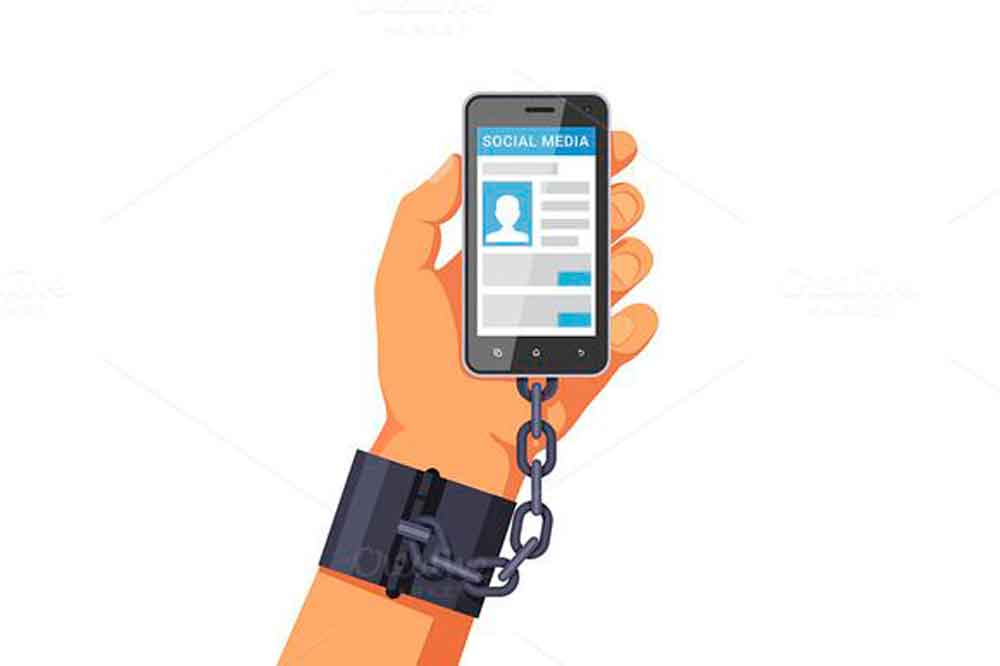
1. The Digital Deluge
Studies suggest the average human attention span has decreased significantly over the last two decades. In 2000, it was around 12 seconds. Now? It's estimated to be closer to 8 seconds, less than that of a goldfish, allegedly (though scientists have debated this comparison).
Smartphones, social media, and 24/7 connectivity are partly to blame. Every notification, message, or new post delivers a tiny dopamine reward, training our brains to seek novelty instead of sustained focus.

2. Cognitive Overload
Our brains are not designed to multitask in the way modern life demands. Constant context-switching like checking WhatsApp while cooking and listening to a podcast, tires out our mental resources faster. We think we’re being productive, but we’re actually fragmenting our attention and reducing our capacity to retain or process information.
3. Sleep Deprivation And Stress
Poor sleep, anxiety, and stress also mess with our ability to concentrate. Cortisol (the stress hormone) impairs working memory and focus, and sleep deprivation affects the prefrontal cortex- the very part of the brain responsible for attention regulation.
What You Can Do (Without Going Off-Grid)
The good news? You don’t need to move to a forest and meditate for 12 hours a day to fix this. Here are some science-backed, practical tips that work even if you're juggling work, chores, and a toddler who just discovered the joys of finger painting.

1. Try The ’Pomodoro Technique’
This time management method involves 25 minutes of focused work followed by a five-minute break. It works with your brain’s natural rhythm—called the ultradian cycle—which suggests that our concentration naturally wanes after about 90 minutes.
Even if 90 minutes feels too much, start with 25-minute blocks. Set a timer, pick one task, and avoid switching tabs or apps during this time.
2. Implement A ’Dopamine Fast‘ (No, You Don’t Need To Quit Instagram Forever)
You don’t have to abandon all pleasure. A dopamine fast simply means intentionally taking breaks from the constant stimulation of screens. Try phone-free mornings or designate an hour before bed as ’no-scroll time.’
Even 10–15 minutes a day of unplugged downtime can help reset your brain’s reward system and improve your attention span over time.

3. Practise ’Attention Training’
Just like muscles, attention can be strengthened. A few simple ways to train your focus include:
- Reading a book (yes, an actual book!) without interruptions
- Mindful activities, like doing the dishes without a podcast in the background
- Journaling, even for five minutes, to gather your thoughts without external noise
Meditation is also a brilliant tool. According to neuroscience research, regular mindfulness meditation can increase grey matter in the brain regions associated with focus and emotional regulation.
4. Fix Your Sleep
It sounds boring, but getting 7–9 hours of good quality sleep is crucial for focus. Sleep helps the brain consolidate memory, regulate emotions, and clear out metabolic waste. If you’re doom-scrolling until midnight, consider swapping your screen for a book and winding down earlier.
Dim the lights, avoid caffeine late in the day, and keep your bedroom cool and dark, it genuinely makes a difference.
5. Eat For Focus
Your brain needs proper fuel. Omega-3 fatty acids (found in oily fish like salmon), antioxidants (in berries, nuts, and green tea), and complex carbs (like oats and brown rice) all support cognitive function.
Also, stay hydrated. Even mild dehydration can impair attention and memory.

6. Give Yourself Grace
We often expect ourselves to function like machines, forgetting that attention is a limited, fluctuating resource. Some days will be better than others. It’s okay. What matters is building small, sustainable habits that support your mental well-being in the long run.
Reclaiming your attention isn’t just about being more productive, it’s about being more present. Whether you're at work, playing with your child, or finally watching that film you've been meaning to for weeks, your ability to be fully there is what makes the moment meaningful.
Now, if you’ve read this far without checking your phone, bravo! You’re already on the right track.