Most people dislike vomiting. It is uncomfortable, unpleasant, and something we would all rather avoid. But for people living with emetophobia, the fear goes far beyond discomfort. It can quietly shape daily routines, relationships, eating habits, travel plans, and even the ability to leave the house without anxiety.
Emetophobia, the intense fear of vomiting or seeing someone else vomit, is one of the lesser-discussed anxiety disorders, yet mental health experts say it can be deeply debilitating.
’People often dismiss it as simply being squeamish, but emetophobia can severely affect quality of life,’ says Dr Jahanvi Rathore, psychologist and anxiety specialist. ’For some individuals, the fear becomes so consuming that they begin organising their entire lives around avoiding situations that may trigger nausea or illness.’
The Fear Often Starts Small
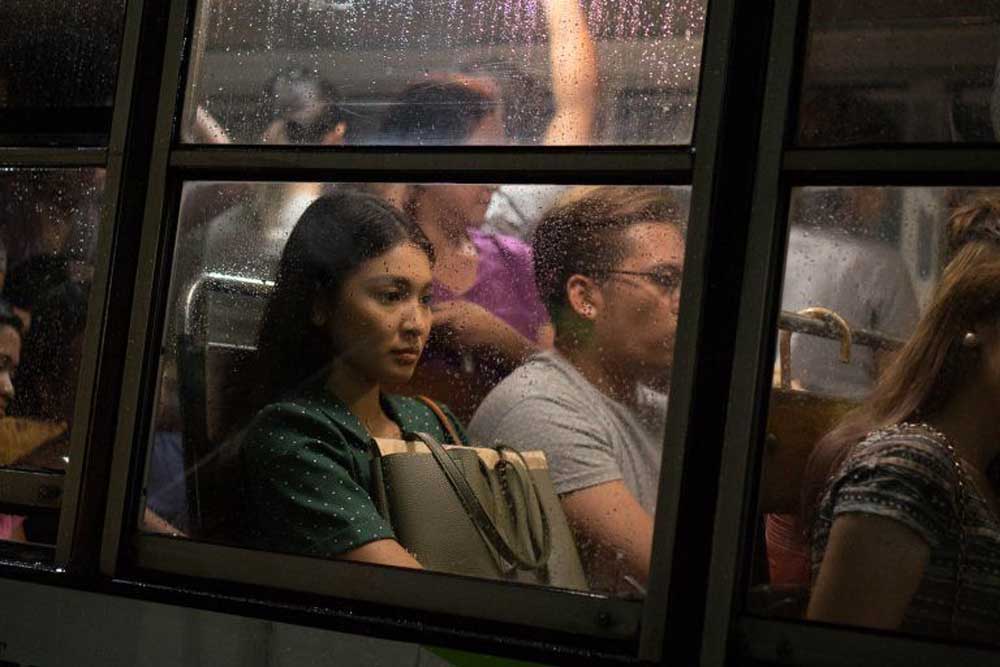
For many people, the phobia begins after a distressing memory linked to sickness. It started for 28-year-old Rhea from Mumbai during a school trip, when a classmate vomited beside her on the bus. ’I still remember the panic,’ she says. ’After that, every long drive made me anxious. I would avoid eating outside, avoid crowded places, and constantly worry about falling ill.’
Similarly, Aditi, a 32-year-old marketing professional from Delhi, says her fear worsened after a severe stomach infection in college. ’I became hyper-aware of every sensation in my body. Even slight acidity would convince me something terrible was about to happen.’
Dr Rathore explains that emetophobia is not always about vomiting itself. ’Very often, it is tied to fear of losing control, embarrassment, or being trapped in a situation where escape feels impossible,’ she says.

How Emetophobia Affects Daily Life
Because nausea can feel unpredictable, people with emetophobia often develop behaviours they believe will protect them from getting sick.
Some may:
- Avoid restaurants or street food
- Refuse to travel by car, plane, or public transport
- Wash their hands excessively
- Carry anti-nausea medication everywhere
- Avoid social gatherings during flu season
- Restrict foods they consider unsafe
In severe cases, the fear can affect nutrition and physical health. Some individuals begin eating very little to avoid the possibility of vomiting altogether.
’It becomes exhausting because the brain is constantly scanning for danger,’ says Dr Rathore. ’Even ordinary situations like eating at a café or attending a party can trigger intense anxiety.’
Why Social Media Is Bringing More Attention To It
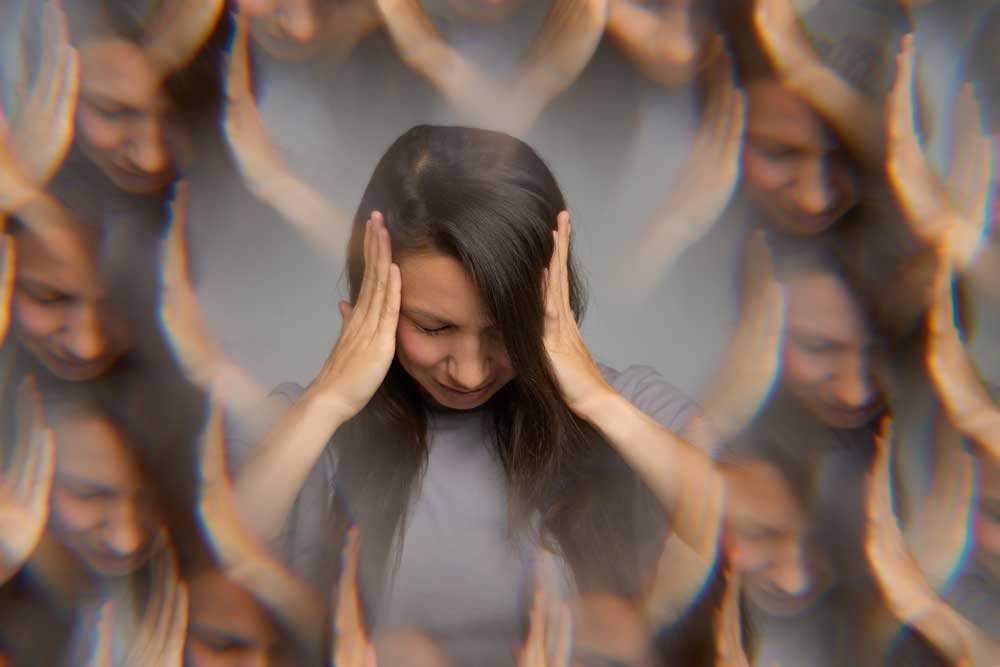
Recently, conversations around emetophobia have gained visibility online, particularly on TikTok and Instagram, where users are openly sharing their experiences with anxiety around nausea and vomiting.
Many young people say they finally felt seen after discovering others with the same fears. Mental health experts believe this growing awareness is important because emetophobia is often misunderstood or overlooked. Many people live with it silently for years before seeking support.
The Anxiety Around Food And Illness
One of the biggest struggles with emetophobia is the constant fear of contamination or food poisoning. People may overanalyse expiry dates, avoid buffets, refuse leftovers, or repeatedly check whether food is fully cooked. During viral outbreaks or seasonal illnesses, anxiety levels can become even more intense.
For some, the fear also overlaps with panic attacks. Nausea caused by anxiety can then create a vicious cycle, where the sensation itself becomes a trigger. ’Unfortunately, the body symptoms of anxiety and the symptoms people fear are often very similar,’ says Dr Rathore. ’That overlap can make the panic feel even more real.’

Can Emetophobia Be Treated?
The good news is that emetophobia is treatable, and many people see significant improvement with therapy.
Experts often recommend Cognitive Behavioural Therapy (CBT), particularly Exposure Response Prevention (ERP), a technique that gradually helps people face their fears in a safe and controlled way.
’This is never about forcing someone into distress,’ explains Dr Rathore. ’Therapy works step by step. The goal is to reduce the fear response and help the brain understand that discomfort does not equal danger.’
Treatment may involve gradually discussing triggers, watching certain scenes, travelling short distances, or reducing safety behaviours such as constant reassurance-seeking.
In some cases, medication for anxiety may also help alongside therapy.
Recovery Is Possible
For many people, healing begins with recognising that the fear is valid and treatable.
Today, Rhea says she is slowly reclaiming experiences she once avoided. ’I still get anxious sometimes, but therapy helped me realise I don’t have to live in fear all the time,’ she says.
Dr Rathore believes conversations around emetophobia need more compassion and visibility. ’People struggling with this are not being dramatic or irrational,’ she says. ’Their nervous system genuinely feels under threat. With the right support, they can absolutely recover and regain confidence in daily life.’ Because sometimes, the hardest part is not the nausea itself, but the fear of what might happen if it appears.