We've all been there. You skip lunch because work gets busy. By late afternoon, you're irritable, exhausted and suddenly craving biscuits or chocolate. Or perhaps you've been eating ‘healthy’ but still don't feel quite like yourself, and everything about life seems to be going downhill. Remember the good old days when preachy papas advised us that everything in life depended on the food you ate? That might actually be true to an extent.
While mental health is influenced by factors like stress, sleep, hormones and relationships, research shows that the food you eat can also affect how you feel. It won't cure anxiety or depression, but it can support better emotional wellbeing.
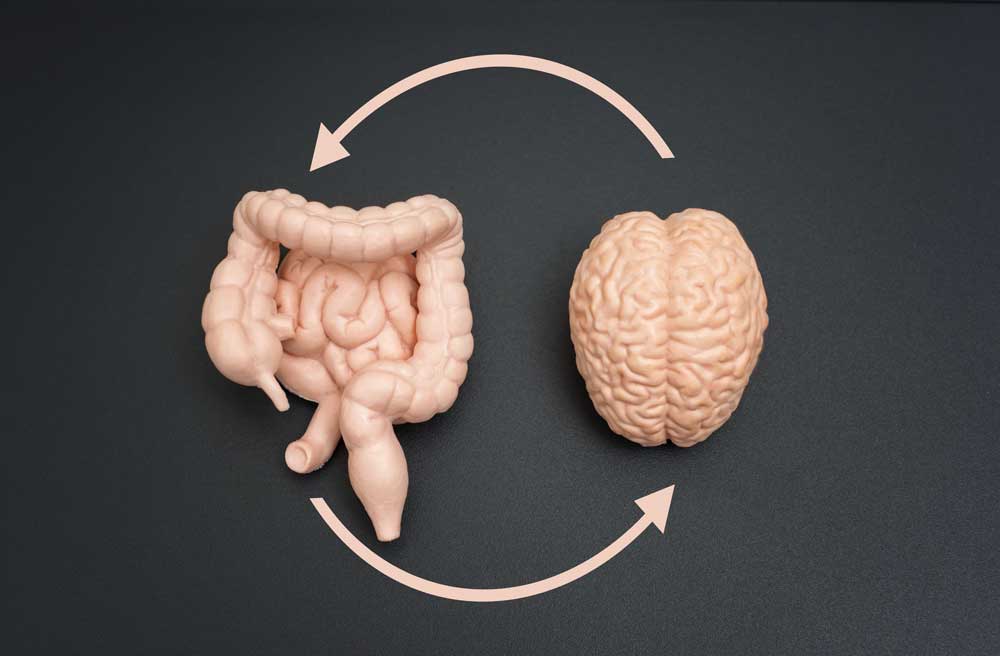
Your Gut And Brain Are Constantly Talking
Scientists often refer to the gut as the body's ‘second brain’. That's because trillions of bacteria living in your digestive system communicate with your brain through what's known as the gut-brain axis.
Research suggests that a healthy gut microbiome may support better mood, while diets high in ultra-processed foods may negatively affect mental wellbeing. Interestingly, around 90 per cent of the body's serotonin, a chemical involved in mood regulation, is produced in the gut, highlighting just how closely the two are connected.
Can Your Diet Really Affect Your Mood?
According to Jahnvi Rathore, mental health expert at Mood Space, food should be seen as part of the bigger picture.
’Mental wellbeing isn't determined by one meal or one food item. But nourishing your body consistently can improve energy, emotional resilience and your ability to cope with everyday stress. Think of food as one of the many ways you support your mind.’
A growing body of research has found that people who regularly eat vegetables, fruits, whole grains, legumes, nuts and healthy fats tend to have a lower risk of depression compared to those whose diets are dominated by highly processed foods.

Signs Your Eating Habits May Be Affecting Your Mental Health
If any of these sound familiar, your body could be asking for better nourishment:
- You regularly skip meals.
- You rely on caffeine to get through the day.
- You constantly crave sugar or processed snacks.
- You often feel tired despite sleeping enough.
- Your mood fluctuates throughout the day.
These habits can lead to blood sugar spikes and crashes, making you feel anxious, irritable and fatigued.

Feed Your Brain, Not Just Your Stomach
Certain nutrients play an important role in brain health:
- Omega-3 fatty acids found in oily fish, walnuts and flaxseeds support healthy brain function.
- Iron helps reduce fatigue and supports concentration.
- Magnesium, found in leafy greens, nuts and seeds, supports the nervous system.
- Fibre-rich foods nourish healthy gut bacteria, which may positively influence mood.
Small Habits That Make A Difference
Supporting your mental wellbeing doesn't require a perfect diet.
Instead, try to:
- Eat balanced meals at regular times.
- Include protein with every meal.
- Fill your plate with colourful fruits and vegetables.
- Stay hydrated throughout the day.
- Limit ultra-processed foods where possible.
- Prioritise sleep and daily movement alongside good nutrition.
Food Supports Your Mental Health, It Doesn't Replace Treatment
According to the World Health Organization, more than one billion people worldwide live with a mental health condition. While healthy eating can support emotional wellbeing, it isn't a substitute for professional care.
As Rathore explains, ’Looking after your mental health isn't about chasing the perfect diet. It's about consistently giving your body the nourishment, rest and support it needs while also reaching out for professional help when necessary.’
Sometimes, the first step towards feeling better isn't a drastic change. It might simply be asking yourself: Have I actually nourished my body today?