Autism is on the rise in India. Studies estimate that roughly 1 in 68 to 1 in 100 children in India are on the autism spectrum. That translates into millions of individuals, with some estimates suggesting that up to 18 million people are affected nationwide.
These numbers do not reflect one simple fact, that girls are significantly underdiagnosed. Historically, autism has been considered a male condition, with reported ratios of about 3 boys for every 1 girl. But emerging research suggests that this gap may not reflect reality, and instead reflects bias. Girls are often diagnosed later, or not at all, because their symptoms present differently or are masked by social conditioning. In India, where gender roles are deeply embedded, this invisibility is even more pronounced.
Bias & Stereotypes
From a young age, Indian girls are trained to be compliant, quiet, and socially adaptable. Ironically, these expectations can conceal autism. Autistic girls often mask their traits, mimicking peers, rehearsing social scripts, and suppressing discomfort to fit in. This ability to camouflage can delay diagnosis by years. They learn to act normal, but it’s exhausting. In many Indian households, a girl who avoids eye contact or prefers solitude may be labelled shy rather than evaluated for autism. Emotional distress is often dismissed as moodiness or adolescence.
This bias has consequences such as late diagnosis, misdiagnosis (often as anxiety or depression), and lack of early intervention. For many women, the diagnosis comes only in adulthood, if at all.
The Therapy Gap: Access, Cost, And Reality
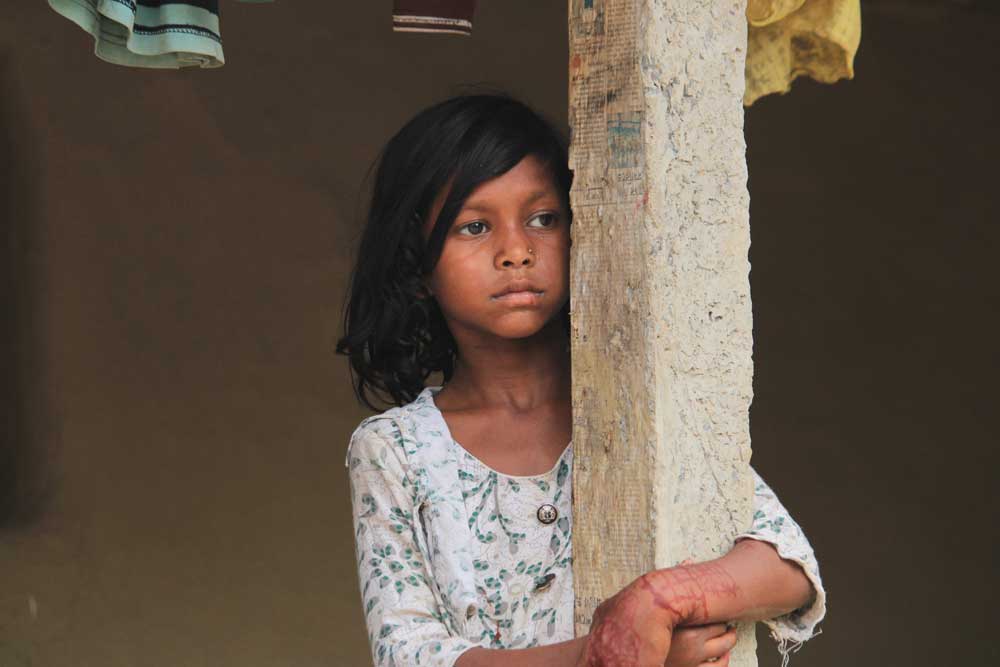
Early intervention is critical in autism, but it isn’t cheap or easy. It typically involves speech therapy, occupational therapy and behavioural interventions. But in India, access to these services is uneven and often prohibitively expensive. In cities like Mumbai, Bengaluru, or Delhi, therapy centres are available, but at a cost. A single session can range from ₹500 to ₹2,000 or more, with children often needing multiple sessions per week. For middle-class families, this quickly becomes unsustainable. For families in tier-2 and tier-3 towns or rural areas the challenge is even more severe. There may be no trained therapists nearby, long travel distances and lack of awareness about autism itself. Research also shows regional disparities in diagnosis and services, with rural areas often under-resourced despite potentially higher unmet needs. As a result, many girls simply never receive therapy.
The Schooling Struggle
In Indian schools, the emphasis on uniformity involves sitting still, following instructions, and performing academically. This can be particularly harsh on autistic students and girls often fall through the cracks. Unlike boys, who may exhibit more visible behavioural differences, autistic girls may perform well academically but struggle socially, internalising stress and leading to anxiety or burnout.
Inclusive education policies exist on paper, but implementation is inconsistent. Many schools lack special educators, sensory-friendly environments and individualised education plans. Parents often face resistance when requesting accommodation.
The College Crisis
For many autistic women, the transition to college is a breaking point. The structured environment of school gives way to unpredictable schedules, social networking pressures and increased sensory overload. Without diagnosis or support, students may struggle silently. Mental health issues are common among undiagnosed autistic women, often compounded by years of masking and misunderstanding.

Workplace Neurodiversity
India’s corporate sector has begun discussing neurodiversity, but the conversation is still in its infancy. A few multinational companies have initiated inclusive hiring programmes, but awareness remains low and accommodations are rare. Disclosure always carries stigma and for autistic women, the barriers are even greater. Other than gender bias, they have to consider safety concerns in commuting and workplaces along with expectations around communication and teamwork. Many remain unemployed or underemployed, despite being highly skilled.
Safety Concerns
Safety is a critical, often overlooked issue. Autistic women and girls may be more vulnerable to abuse and less likely to recognise or report inappropriate behaviour. They are also dependent on caregivers for longer periods. In a society already grappling with gender-based violence, disability adds another layer of risk. Families often respond by restricting independence and therefore limiting education, mobility, and opportunities.
The Caregiving Burden
In India, caregiving is deeply gendered as well. Mothers are typically the primary caregivers for autistic children, often sacrificing careers and financial independence. But what happens when autistic girls grow up? Adult autistic women frequently remain dependent on their families, with limited support systems in place. There are few assisted living options, community support programmes or employment pathways. The question of long-term care and ‘What will happen after us?’ haunts many families.
The Representation Gap
Autism in Indian media is still largely portrayed through a male lens. Films and TV shows rarely depict autistic women, and when they do, the portrayals are often stereotypical or inaccurate. This lack of representation reinforces the idea that autism is a male condition, further marginalising girls. Cultural silence also plays a role. Conversations around neurodiversity are still emerging, and many families hesitate to seek diagnosis due to stigma. There is also a lack of inclusion of autistic voices in policy-making
What Needs To Change
Despite these challenges, some changes are slowly happening. Across India, autistic women are sharing their stories online, building communities and advocating for inclusion. From bloggers and artists to software engineers and researchers, they are redefining what autism looks like.
If India is to truly support autistic women and girls, systemic change is essential.
1. Gender-Sensitive Diagnosis: Diagnostic tools must account for how autism presents in girls. Training for pediatricians, psychologists, and teachers is crucial.
2. Affordable And Accessible Therapy: It is important to highlight the need for Government subsidies for therapy, inclusion under health insurance and expansion of services beyond metros.
3. Inclusive Education: Mandatory special educators must be provided in all schools along with flexible teaching methods and sensory-friendly classrooms.
4. Workplace Inclusion: Companies should begin neurodiversity hiring initiatives with reasonable accommodations and awareness training for employers.
5. Safety And Independence: Life skills training, safe transportation options and legal protections are crucial for survival.