By the time many women reach their 50s, they’ve mastered the art of multitasking career, caregiving, and personal health. Yet beneath this resilience, subtle metabolic changes may be unfolding. Recent research highlighted by Harvard Health points to a clear pattern. Women’s risk of insulin resistance rises significantly in midlife, particularly after menopause. The good news? With the right knowledge and timely action, this risk can be reduced, and in many cases, diabetes can be prevented altogether.
The Midlife Metabolic Shift
Insulin is the hormone that helps your body move glucose from the bloodstream into cells for energy. Insulin resistance occurs when cells stop responding properly, forcing the body to produce more insulin. Over time, this can lead to prediabetes and eventually type 2 diabetes.
For women, the years around menopause mark a biological turning point. As estrogen levels fall, the body’s metabolic balance begins to change. Research shows that declining estrogen makes the body less responsive to insulin, increasing the likelihood of insulin resistance.
This is not merely theoretical. Post-menopausal fat distribution tends to shift toward the abdomen, otherwise known as visceral fat, that is strongly linked to insulin resistance and metabolic disease. Studies suggest insulin resistance and related metabolic changes rise substantially after menopause, even in women who previously had healthy glucose levels.
In short, turning 50 doesn’t cause diabetes but it does tilt the playing field.
Why Women Over 50 Are More Vulnerable
Several biological and lifestyle factors converge at midlife:
1. Falling Estrogen Levels
Estrogen has protective metabolic effects. When it declines during menopause, insulin sensitivity drops and abdominal fat tends to increase. This hormonal shift is one of the strongest drivers of midlife insulin risk.
2. Increase In Visceral (Belly) Fat
After menopause, women often notice weight redistributing to the waistline. Visceral fat is metabolically active and closely linked with insulin resistance, inflammation, and cardiometabolic disease.
3. Muscle Loss With Age
From their 40s onwards, women gradually lose muscle mass. Since muscle tissue is a major site for glucose uptake, less muscle means poorer blood sugar control.
4. Sleep And Stress Changes
Midlife often brings sleep disturbances, caregiving stress, and sometimes thyroid changes, all of which can worsen insulin sensitivity.
5. Lifestyle Accumulation
Years of sedentary habits, processed food intake, or weight gain can finally catch up metabolically after menopause.

Why Vigilance Matters More For Indian Women
South Asians tend to develop insulin resistance and diabetes at lower body weights compared to Western populations. Many Indian women also experience earlier menopause, higher rates of central obesity, lower muscle mass, and higher carbohydrate diets. This makes midlife screening especially important in India.
Sonam Kapoor has discussed living with insulin resistance related to PCOS earlier in life, emphasising how diet, exercise, and medical monitoring are essential for long-term metabolic health. The takeaway, insulin issues can appear quietly and early action matters.
Warning Signs Women Should Not Ignore
Insulin resistance often develops silently, but some clues include
- Increasing belly fat despite stable weight
- Persistent fatigue after meals
- Sugar cravings
- Darkened skin patches around the neck (acanthosis nigricans)
- Rising fasting insulin or HbA1c levels
- Difficulty losing weight after 45–50
How To Stay Diabetes-Free After 50
The encouraging reality is that lifestyle changes remain extremely powerful. Research tracking nearly 90,000 women found that maintaining healthy weight, regular exercise, and a high-fibre diet dramatically reduced type 2 diabetes risk.
After menopause, muscle becomes metabolic gold. Aim for strength training 2–3 times weekly, using resistance bands, weights, or bodyweight exercises. Focus on legs and core (major glucose-using muscles). This improves insulin sensitivity and counters age-related muscle loss.
You don’t need extreme diets, just smarter balance. Fill half the plate with vegetables and choose whole grains over refined carbs. Pair carbs with protein and add nuts and seeds in moderation. Increase fibre intake through legumes, vegetables and fruits. Limit sugary drinks, refined flour snacks, ultra-processed foods and frequent sweets and desserts.
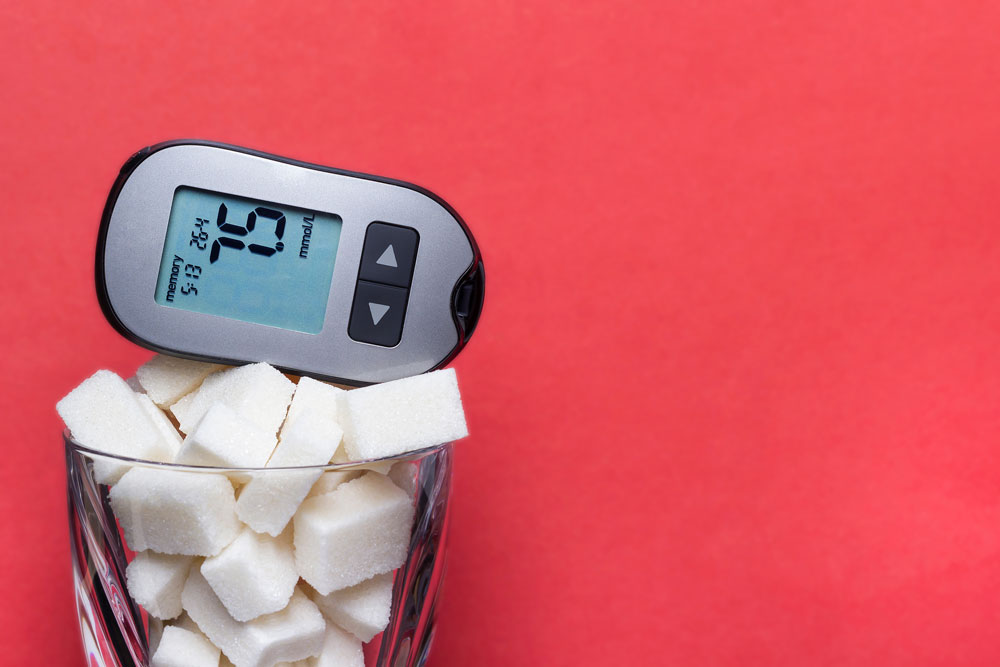
One of the most underrated habits can be a game-changer. A 10–15-minute walk after meals can significantly blunt glucose spikes and improve insulin response. For many women, this single habit is transformative.
Poor sleep worsens insulin resistance and increases appetite hormones. Target 7–8 hours nightly with consistent sleep timing. Limit late caffeine and reduce screen exposure before bed. If hot flashes or night awakenings persist, discuss menopause management with your doctor.
After age 45–50, experts recommend periodic checks for fasting glucose, HbA1c, fasting insulin (often overlooked), lipid profile and waist circumference. Early detection allows reversal at the prediabetes stage.
The Mindset Shift
Perhaps the most important message is this. Midlife metabolic change is common, but not inevitable. Too often, women are told that weight gain, fatigue, and rising sugar are simply part of ageing, but science says otherwise. With targeted lifestyle changes, many women can maintain excellent metabolic health well into their 60s and beyond.
Think of midlife as a metabolic crossroads. With awareness, movement, smart nutrition, and timely screening, women can not only avoid diabetes, but often feel more energetic and metabolically resilient than they did in their 40s.