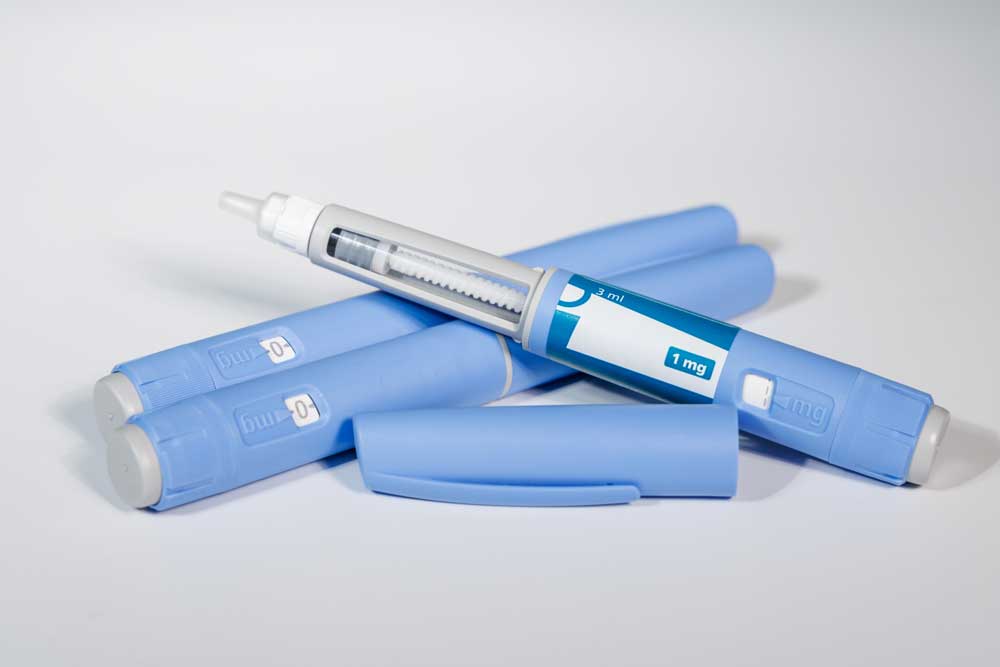
Obesity is not just about appearance. As the WHO’s latest global guideline emphasises, it’s a chronic, relapsing disease that demands long-term management. On December 1, 2025, WHO issued its first-ever recommendation supporting the use of GLP-1 medicines such as semaglutide, liraglutide, and tirzepatide for adults with obesity.
That shift signifies that the health community no longer views obesity as a lifestyle issue. Instead, it is recognised as a serious medical condition. This has huge implications for women. In many parts of the world, women bear a disproportionate burden of obesity. When weight-related health problems are left unaddressed, they can create other complications pertaining to menstrual health, fertility, pregnancy, and long-term risks like heart disease and Type 2 diabetes.
Why GLP-1 Medicines Matter
GLP-1 therapies mimic natural gut hormones to regulate appetite, digestion, and blood sugar. For many people, this means it is a real chance to lose weight and more importantly, to improve metabolic health. WHO notes that when prescribed appropriately, GLP-1 medicines can help reduce the burden of obesity-related complications such as cardiovascular disease, diabetes, kidney issues, and even improve overall mortality risk.
For women, especially those struggling with conditions like Polycystic Ovary Syndrome (PCOS), insulin resistance, or with histories of pregnancy-related complications, it can mean better hormonal balance, improved fertility, healthier pregnancies, and reduced long-term risk of chronic diseases.
Physicians in some parts of the world are already observing that GLP-1 drugs are filling a long-standing treatment gap for women with PCOS, helping with weight gain and insulin resistance.
Medicine Isn’t Magic
Here’s the caveat. WHO stresses that GLP-1 therapies are not a standalone fix. They recommend that these medicines be used in combination with other lifestyle changes such as healthy eating, regular physical activity, and ongoing support from health professionals.
Moreover, there is limited long-term data on safety, effectiveness, and what happens when the medicine is stopped. It has to be prescribed by a certified medical practitioner after taking into account your individual health concerns. Finally, access remains a major concern. Even with projected increases in production, fewer than 10 per cent of people eligible for these medicines may realistically receive them by 2030 due to cost, supply issues, and health-system constraints.
Opportunities And Questions
For women struggling with obesity-related endocrine issues such as PCOS and gestational complications, GLP-1 medicines offer a promising new therapeutic avenue. If used carefully, the drug-assisted weight loss could lower risks of heart disease, type 2 diabetes and other obesity-linked conditions, diseases that tend to rise with age, especially post-menopause. But this isn’t just about pills. The guideline reinforces that long-term success depends on diet, lifestyle, mental health, and professional support. In many low- and middle-income countries, cost and health-system readiness will shape who benefits, raising issues of fairness and social disparities. Long-term safety data is still limited and certain groups, such as pregnant women, or non-obese women with metabolic issues, haven’t yet been adequately studied.
Not The Final Word
The WHO’s guideline marks a watershed moment. For too long, obesity in women has been stigmatised, trivialised, or treated with quick-fix diets. With this move, obesity is officially recognised as a chronic disease deserving long-term, medically supervised care. For women, this could pave the way for more compassionate, science-backed treatment options. That said, the full promise of GLP-1 therapies will only materialise if medicines are paired with healthy living, equitable access, and continued research. Ultimately, this isn’t about promoting a perfect body, but rather about promoting health.