Your sleep score is low. Your smartwatch says you have not closed your rings. The period app indicates that you are late. Suddenly your body feels like a list of things you need to fix. There was a time when waking up simply meant waking up. You opened your eyes, stretched and decided how you felt.
Now, many of us check our smartwatch or phone before we have even left bed. We ask ourselves:
- How did I sleep?
- How many steps did I take yesterday?
- Did I experience deep sleep?
- Is my heart rate normal?
Your smartwatch has made you more aware of your body than ever. It has also introduced a new kind of pressure: the feeling that your health needs to be constantly measured, monitored and improved.
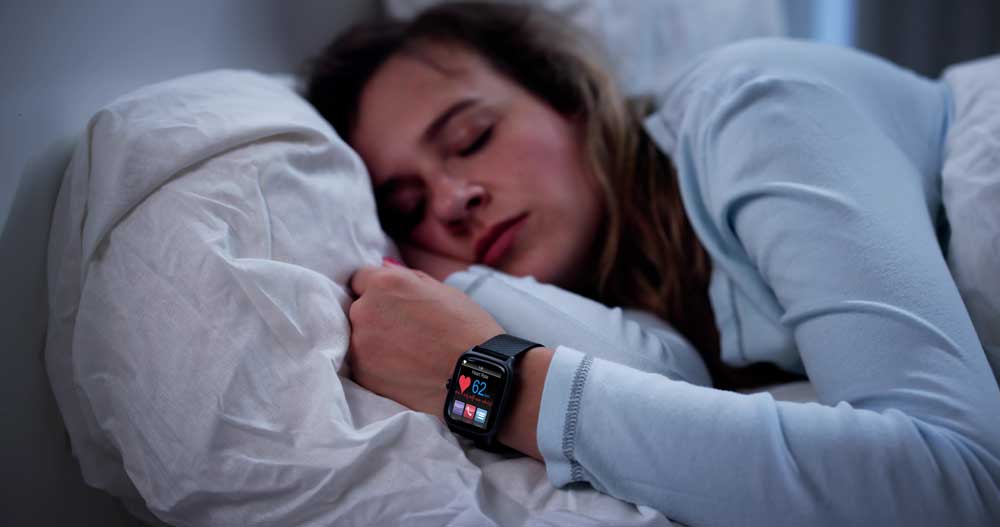
When Your Health Becomes A Score
Your smartwatch can be genuinely useful. It can encourage you to move understand your sleep patterns and in some cases flag changes that may need medical attention from a doctor. The trouble begins when the data from your smartwatch becomes more important than how you actually feel. You wake up feeling refreshed. Your smartwatch says you slept badly. Suddenly, you question your energy levels.
You miss your step goal for a day and feel guilty. You eat a meal without logging it in your smartwatch and wonder whether you have ruined your progress.
Dr Aditi Aggrawal, Psychiatrist at Mindsight Clinic says, ‘Tracking can make the invisible visible and help people become more aware of their health. When numbers become rigid targets, they can also create unnecessary pressure and anxiety.’
The result is that your smartwatch starts feeling less like a helpful tool and more like a strict teacher.

When Your Body Does Not Follow The Algorithm
Period and fertility tracking apps on your smartwatch can also create a sense of certainty. Your cycle is late. Your app predicts ovulation. You see a change and immediately assume something is wrong. Your body is not a machine.
Stress, travel, illness, sleep changes and other factors can affect your cycle. An app can help you spot patterns. It cannot diagnose a health condition.
Dr Aggrawal says, ‘Technology should help you connect with your body instead of making you feel controlled by it. Data from your smartwatch is useful. Obsession is not.’
The answer is not to throw your smartwatch or delete every wellness app on it.
Instead ask yourself: Am I using this information from my smartwatch to understand my body or am I using it to judge myself?
- Try not to check data from your smartwatch often.
- Leave your smartwatch at home for a walk.
- Eat a meal without counting every calorie in your smartwatch.
- Go to bed without worrying about tomorrow's sleep score from your smartwatch.
- Notice how you feel without checking what your smartwatch thinks.
Because your body is not a spreadsheet and your health is not a streak.
You do not have to earn a good day by completing every ring on your smartwatch. Use the data when it helps, and ignore it when it does not. Remember that sometimes the most important health metric is simply how you feel.