Every year on June 11, the United Nations marks the International Day of Play, recognising that play is not a luxury of childhood, but a foundation. Yet, in urban India, childhood is increasingly being scheduled and digitised mainly for academic outcomes. Somewhere between tuition classes, shrinking urban playgrounds and rising safety anxieties for girls, play is quietly becoming a scarce resource. This is the play gap’, the widening distance between children’s need for unstructured play and the real-world time and space available for it.
Disappearing Hours Of Play
Urban Indian childhood today is often structured around school and its extended ecosystem, such as homework, coaching centres, enrichment classes, Olympiad preparation, and entrance exam coaching that begins disturbingly early. While precise playtime data is limited, multiple child development studies globally (including those referenced by organisations like UNICEF and World Health Organization) consistently warn that children need a substantial portion of their day for unstructured physical and social play for healthy cognitive and emotional development.
In India’s urban middle-class households, however, the after-school routine increasingly resembles a second shift. A typical school day for many children in cities like Chennai, Bengaluru, or Mumbai can stretch from 7am to 3pm, followed by tuition classes until evening. Evenings that once belonged to street cricket, hopscotch, or cycling are now often split between homework and screens.
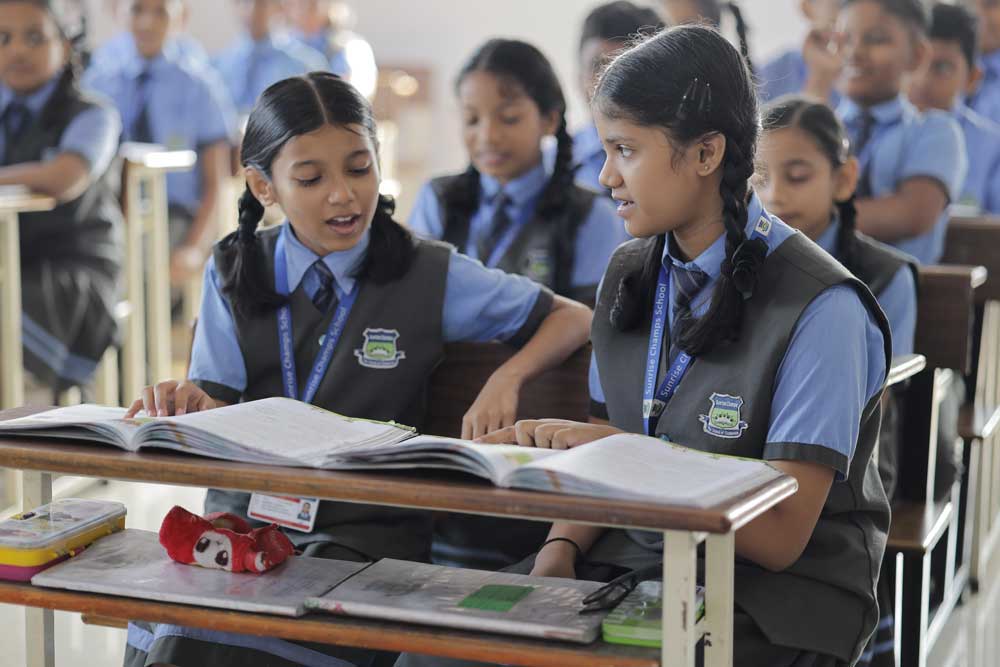
Education surveys such as Annual Status of Education Report (ASER) have documented the intensity of academic focus among Indian children, even in early grades. While ASER primarily tracks learning outcomes, its field observations repeatedly point to the growing prevalence of private tuition and structured academic support outside school hours, leaving little time for free play.
The Rise Of Screen-Based Childhoods
Urban children are spending increasing hours on smartphones, tablets, and gaming consoles. This is not inherently negative since digital play has cognitive and social dimensions, but it often replaces rather than complements physical, outdoor, and peer-led play. Child development experts note that screen-based engagement tends to be structured, goal-oriented, and individually consumed. In contrast, traditional play such as running, improvising games, and negotiating rules with peers helps to build social intelligence, resilience, and emotional regulation. The shift accelerated after the pandemic years, when digital learning blurred into leisure time. Many families have not fully recalibrated screen habits since.

Where Did The Playground Go?
Walk through many Indian cities and you will see parks converted into parking lots, gated communities with restricted access, and public grounds increasingly repurposed for events or construction. Even when playgrounds exist, access is uneven. In older neighbourhoods, they may be crowded or poorly maintained. In newer gated complexes, they may exist but feel surveilled or socially exclusive. Urban planners and child-rights advocates have long argued that play space is not just about parks but about safe, accessible, walkable environments. But in practice, cities often prioritise vehicles and real estate over child-friendly design.
Gendered Play
The play gap is gendered and not evenly distributed. In many urban households, boys are still more likely to be allowed unsupervised outdoor play like cricket in the street, cycling to nearby grounds, or spontaneous games with peers. Girls, by contrast, often face layered restrictions such as safety concerns, social norms around appropriate behaviour, and expectations to return home earlier or stay within sight. Even when girls do participate in sports at school, participation frequently drops after puberty. This is driven by a combination of factors such as lack of safe sanitation facilities, discomfort with mixed-gender play spaces, social scrutiny, and reduced encouragement to continue competitive physical activity.
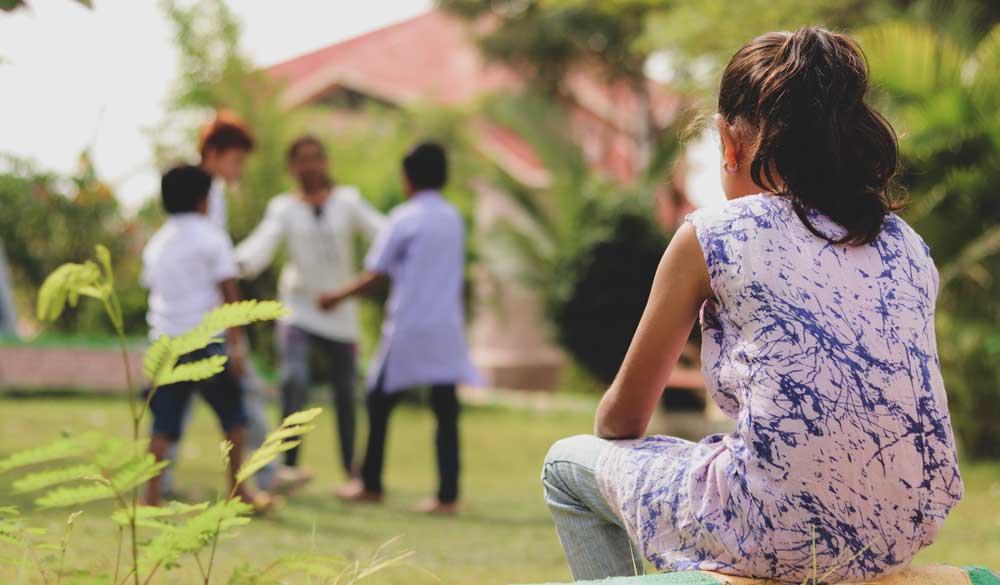
This is a developmental loss. Studies in adolescent health consistently show that girls benefit significantly from sustained sports participation because it improves confidence, leadership skills, and mental well-being. Yet, the pipeline narrows just when it should widen. Sporting icons like badminton champion PV Sindhu and boxer Mary Kom have often spoken up in public forums about resilience and discipline for women that have been shaped through sport. But for millions of urban girls, inspiration is not the problem. Instead, it is access, permission, and safety that is lacking.
The Tuition Economy
India’s urban education has evolved into a high-pressure ecosystem where academic achievement is treated as the primary measure of childhood success. Coaching centres for engineering, medicine, and competitive exams now begin grooming students in middle school years. Even primary school children increasingly attend after-school classes for maths, English, coding, or Olympiad preparation. This creates what child psychologists describe as ‘time poverty’. Children may not lack structured activity, but they lack unstructured time. Play, by its nature, is unproductive in economic terms, and therefore often undervalued in households striving for upward mobility. Parents are not the villains in this story since they are responding to a competitive system. But collectively, this system compresses childhood into a pipeline of performance.

What We Lose Without Play
Developmental science has recognised that play is essential infrastructure for childhood. Unstructured play helps children develop emotional regulation, creativity, and social negotiation. It teaches risk assessment skills such as how far to climb, how fast to run, and when to stop. It also provides emotional release in a way structured environments rarely do. When play is reduced, children often become more anxious, less physically active, and more dependent on structured adult direction. In urban India, teachers and parents increasingly report attention difficulties, social withdrawal, and fatigue among children, which are symptoms that cannot be attributed to academics alone but to the absence of balance.

Schools As Gatekeepers
Schools occupy a crucial middle space in this ecosystem. They can either reinforce the academic-only model or restore play as a daily right. Some progressive schools have begun reintroducing longer recess periods, mandatory sports rotations, and no-screen days. But these remain exceptions rather than norms. Policy frameworks in India recognise the importance of sports and physical education, yet implementation varies widely. Infrastructure gaps include lack of playgrounds, trained physical education teachers, and safe equipment. These persist across both private and government schools.
Reclaiming Play

Reversing the play gap is not simply about nostalgia for a pre-digital past. Cities need child-centred urban planning with safe walking routes, accessible parks, and protected play zones. Schools need to treat physical play with the same seriousness as academic learning. Parents need social reassurance that play is not wasted time but developmental investment. For girls, the challenge is even sharper since safety, mobility, and cultural permission must be addressed together. The International Day of Play is a reminder that childhood is not just preparation for adulthood, but a developmental stage with its own rights and needs.