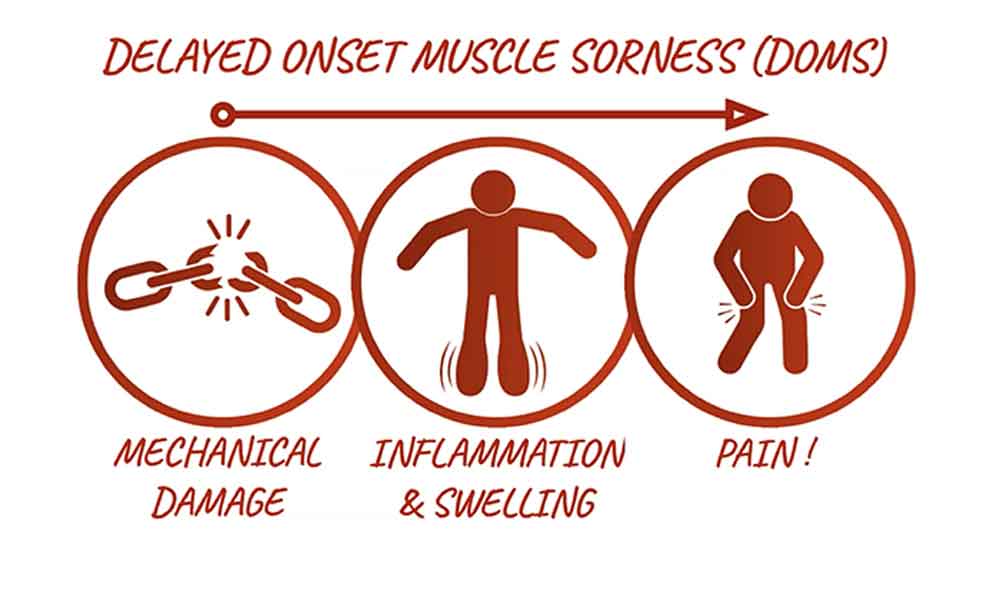
You’ve crushed your morning workout. The playlist was fire, the sweat was real, and for a brief moment, you feel like a superhero in leggings. But then, 24 hours later, you attempt to sit on the loo or walk up the stairs and suddenly, your muscles revolt. Your limbs feel like they’ve been set in cement, and every movement is accompanied by a dramatic inner monologue. Welcome to the world of post-workout muscle soreness, also known as DOMS or Delayed-Onset Muscle Soreness, where ambition meets inflammation.
Honestly, DOMS is the reason many of us quit while we’re ahead. I once abandoned an entire fitness streak because my thighs refused to cooperate for two days straight. The ache eventually disappeared, but in its place arrived a potent case of couch-potato syndrome. I became Garfield. The lasagna-loving, nap-taking, sarcasm-slinging cat is my spirit animal for a reason.

Why does everything hurt?
Dr Chandan Poddar from Sir H N Reliance Foundation Hospital explains that soreness creeps in due to tiny muscle damage and inflammation caused by high-intensity exercise. ’These micro-tears occur when we push our bodies through unfamiliar movements. It’s part of the muscle-building process, painful, but temporary.’
When the body is exposed to new forms of strain (think your first attempt at a bootcamp or finally giving that viral plank challenge a shot) it responds with these micro-injuries. As the muscles heal, they become stronger. That’s the idea, anyway.
Some types of movement are more notorious for this. According to Dr Poddar, activities like resistance training, plyometric exercises, and high-intensity functional training tend to cause more pronounced DOMS. Especially, when they include eccentric contractions, where your muscle lengthens under tension (like lowering into a squat or running downhill). Basically, anything that feels deceptively easy until your thighs start shaking.
Is DOMS a badge of honour?
There’s a common misconception that more soreness equals better progress. It doesn’t. In fact, pushing too hard too soon is counterproductive. Your fitness journey isn’t a punishment- it’s a process. Overdoing it could result in injury, burnout, or simply a desire to never see a kettlebell again.
Fitness coach Anushka Nandani, co-founder of The Tribe India, says the key is progressive overload. ’That means gradually increasing your repetitions, the weight you lift, or the intensity, but slowly. This lets your body build stamina and strength without going into full protest mode.’
Can you prevent this concrete-legged doom?
While DOMS can’t always be avoided, there are ways to soften the blow:
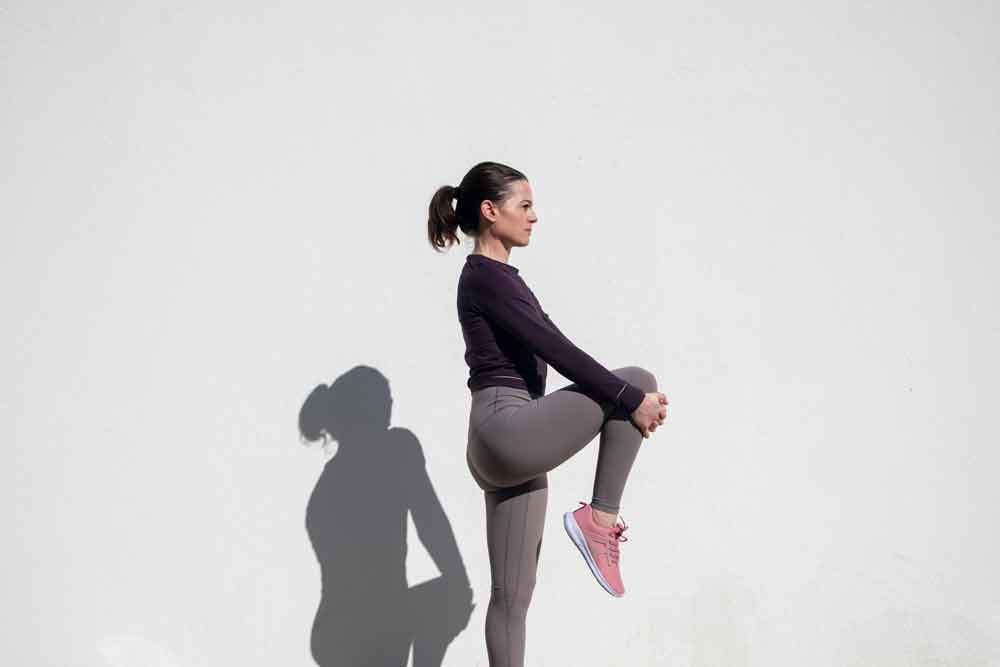
1. Don’t dive headfirst into the deep end
If you're just starting out or returning after a break, commence with beginner-level workouts. Let your body ease in; it’s not a race.
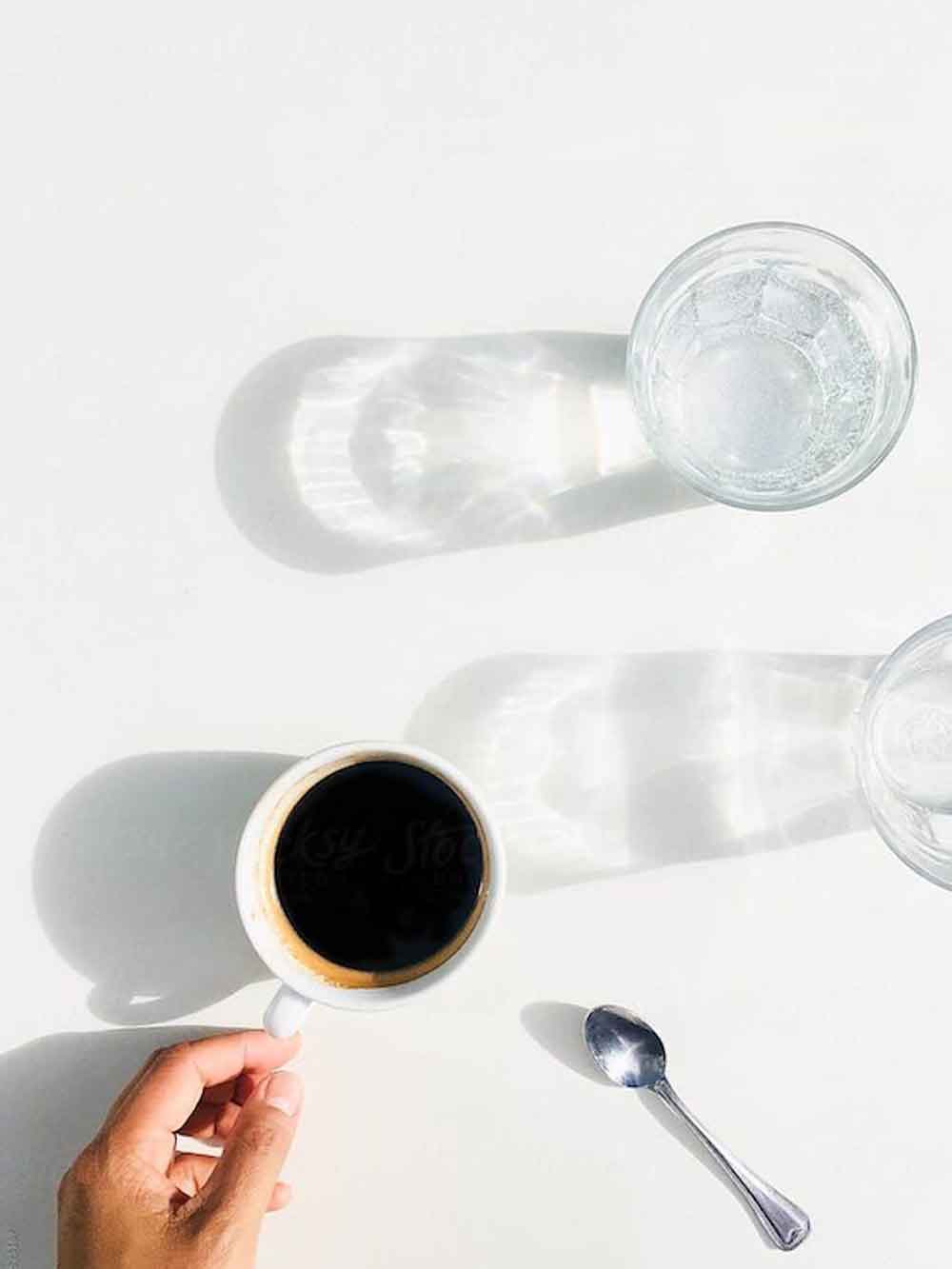
2. A little caffeine goes a long way
This one’s for the coffee lovers. Research suggests that sipping on some coffee before a workout can reduce the severity of DOMS. The caffeine has anti-inflammatory and analgesic properties and can increase your pain threshold. Nandani also points out that caffeine boosts dopamine sensitivity a feel-good hormone that helps with pain perception. Lorelai Gilmore wasn’t wrong.
3. Fuel your body right
Recovery starts with what you eat. Focus on complex carbohydrates to refill your energy stores, along with protein and healthy fats to repair the muscle damage. Cottage cheese is a great post-workout snack since it contains leucine, a BCAA (branched-chain amino acid) known for aiding muscle recovery. Watermelon, rich in L-citrulline, also earns points for its muscle-soothing benefits.
Already sore? Here’s how to feel human again
Once the soreness sets in, there’s no magic wand, but there are things you can do to speed up the recovery process and stop walking like you’ve ridden a horse across the country.
1. Don’t skip your cool-down
Yes, we all treat this as optional. But a few minutes of light cardio and gentle stretching after a workout helps regulate your heart rate and prevent stiffness. Think of it as a post-party clean-up, annoying but necessary.
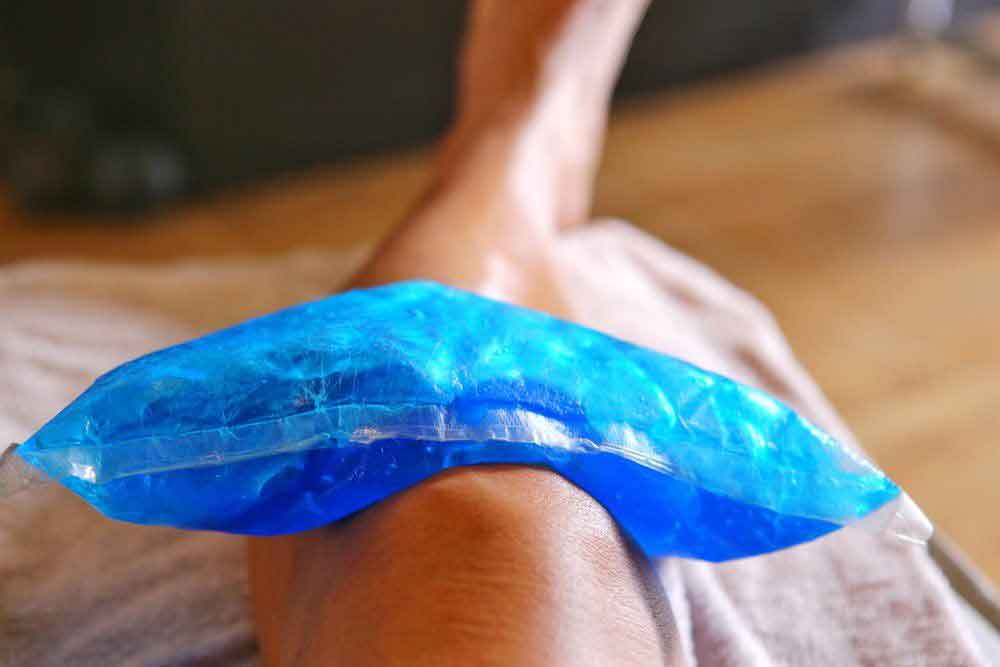
2. Ice, then heat
Start by applying an ice pack wrapped in a towel for 15 minutes. This reduces inflammation and numbs the area. Follow it up with a warm compress or heating pad to stimulate blood flow. Trainer Dhiraj Bediskar recommends a gentle heat pack to keep circulation going and ease that tight, stuck-together muscle feeling.

3. Rest is productive
The temptation to ’push through‘ can be strong, but rest is where the magic happens. Make sure you’re getting enough sleep, staying well hydrated, and letting your body recover fully before jumping back into another workout.
Final thoughts
Soreness isn’t failure. It’s your body whispering (or, more realistically, shouting) that it’s trying to adapt. Treat it with care. Eat well, rest plenty, and be consistent. Eventually, you’ll find your muscles don’t protest as much. They might even thank you, silently, of course.
Until then, walk like a duck. Stretch like a cat. And pat yourself on the back for showing up. Cemented limbs and all.