Have you ever looked around and wondered why one friend gains weight around her tummy, while another carries it on her hips? Then you may think that the laddoos you eat only add up to the volume of your face (and then you don’t smile for photos, fearing a rounder appearance). While diet, movement, and genetics certainly play a role, there is another powerful influence working quietly behind the scenes: hormones.
Your body shape is not simply a reflection of willpower, discipline, or how many steps you took that month. In many ways, it is a biological blueprint influenced by chemical messengers that affect everything from metabolism and appetite to fat storage and muscle growth.
According to senior gynaecologist Dr Punam Solanki, hormones can offer valuable clues about why our bodies behave the way they do. ’Where our body stores fat is often influenced by our hormonal environment. While body shape alone cannot diagnose a hormonal imbalance, it can provide important signals that deserve attention,’ she explains.
Your Body Is Smarter Than You Think
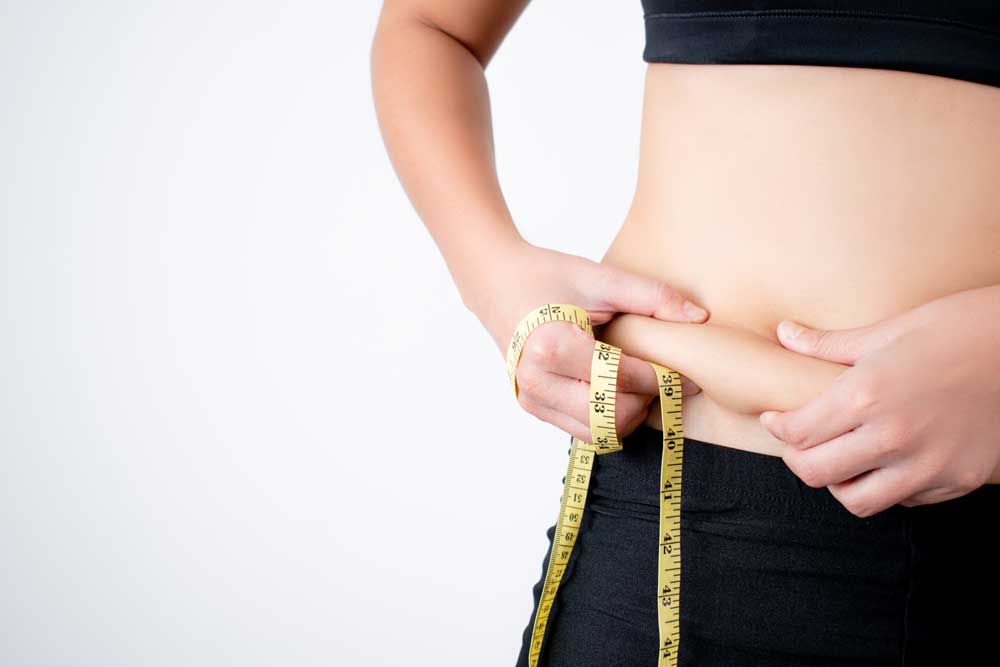
For years, many of us have blamed ourselves and yoga for not being able to lose the fat around our belly. The reality is that the body is often responding exactly as it has been programmed to.
Hormones help regulate where fat is stored, how easily muscle develops, how hungry we feel, and even how we respond to stress. This is why two people can follow similar eating patterns and exercise routines yet see completely different results.
In fact, research published in The Lancet suggests that hormonal factors play a significant role in body composition, particularly in women during puberty, pregnancy, and menopause, when hormone levels naturally fluctuate.
Rather than seeing your body as working against you, it can be helpful to view it as sending messages.
What Is Hormonal Dominance?
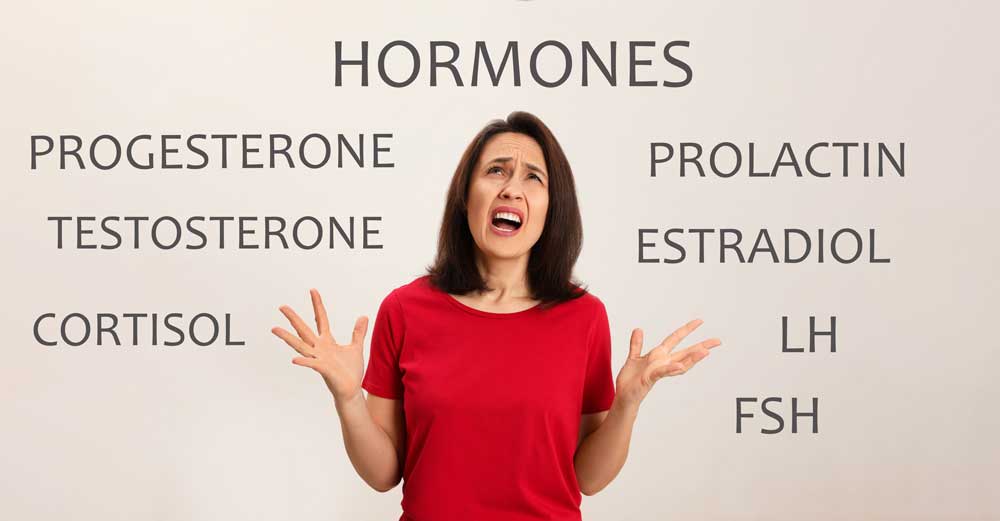
Hormonal dominance refers to a situation where one hormone exerts a stronger influence than others. This doesn't necessarily mean hormone levels are abnormally high. Sometimes it's about imbalance.
The hormones most commonly linked to body shape include:
- Oestrogen
- Cortisol
- Insulin
- Thyroid hormones
- Testosterone
Each can leave its own signature on the body.
The Pear Shape: Oestrogen's Influence
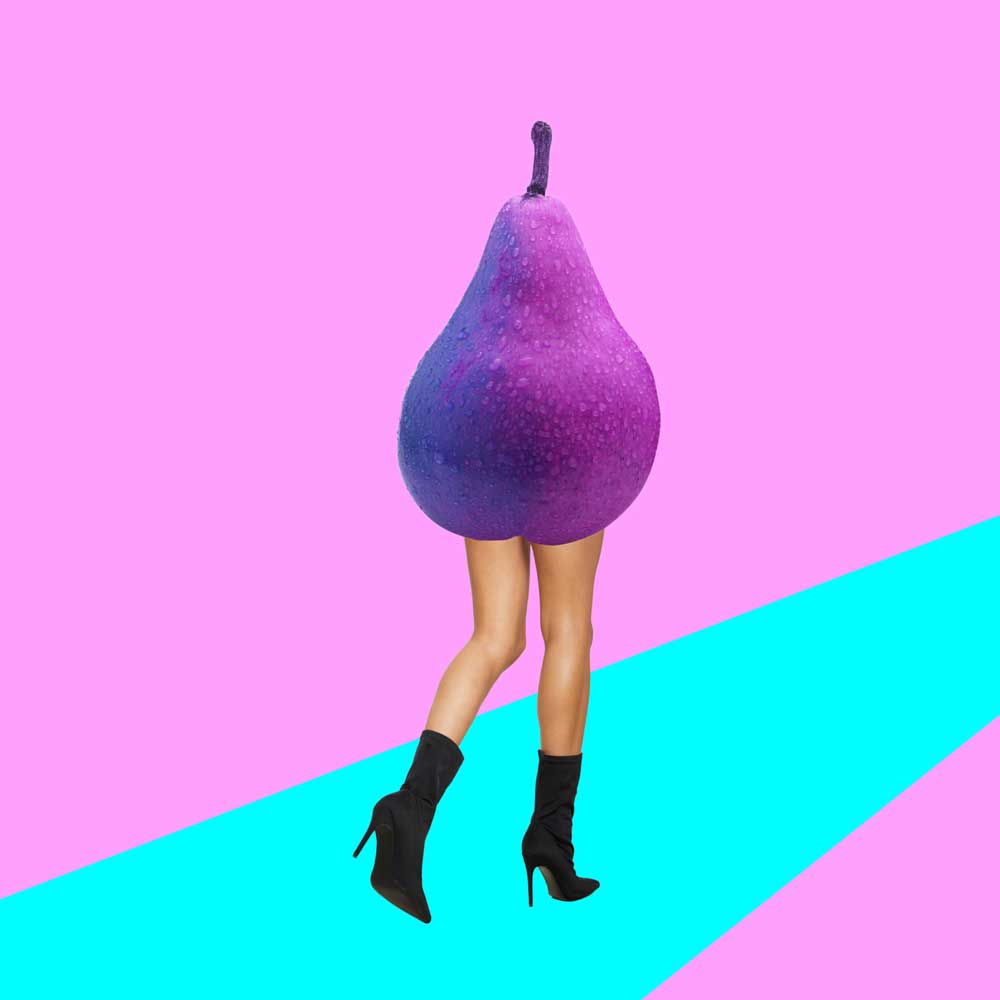
If you naturally carry weight around your hips, thighs, and bottom, oestrogen may be playing a prominent role. This classic pear-shaped pattern is extremely common among women and has evolutionary roots. Fat storage in the lower body historically provided an energy reserve for pregnancy and breastfeeding.
However, when oestrogen becomes dominant relative to progesterone, fat loss from these areas can become more difficult. Some women may also experience symptoms such as bloating, mood changes, heavy periods, or breast tenderness.
The Apple Shape: When Stress Takes Centre Stage
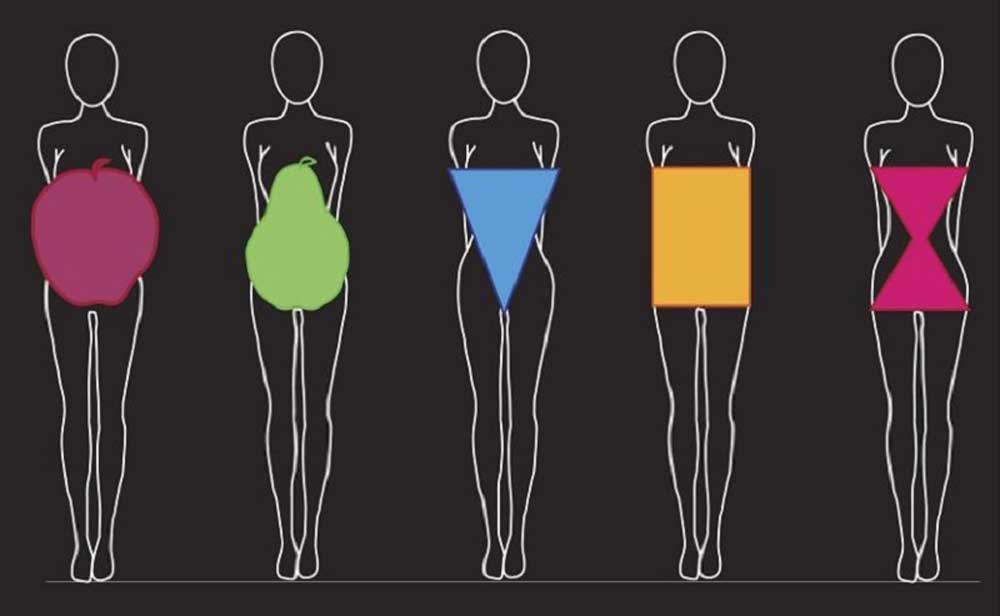
Ever notice how stressful periods seem to show up around your waistline? That's where cortisol comes in. Known as the body's primary stress hormone, cortisol encourages fat storage around the abdomen when levels remain elevated over long periods.
Research suggests that chronic stress is associated with increased visceral fat, the deeper abdominal fat linked to a greater risk of heart disease and metabolic conditions. People with higher cortisol levels often describe gaining weight around the middle while their arms and legs remain relatively slim.
When Insulin Keeps Fat Locked Away
Insulin's job is to help move glucose from the bloodstream into cells. However, when insulin levels stay elevated for long periods, the body becomes more inclined to store fat. This is particularly common in people with insulin resistance, prediabetes, or PMOS.
Globally, more than 830 million people are living with diabetes, according to the World Health Organization, while insulin resistance is thought to affect many more. People experiencing insulin dominance often notice:
- Weight gain around the waist
- Strong carbohydrate cravings
- Difficulty losing weight despite efforts
- Energy crashes after meals
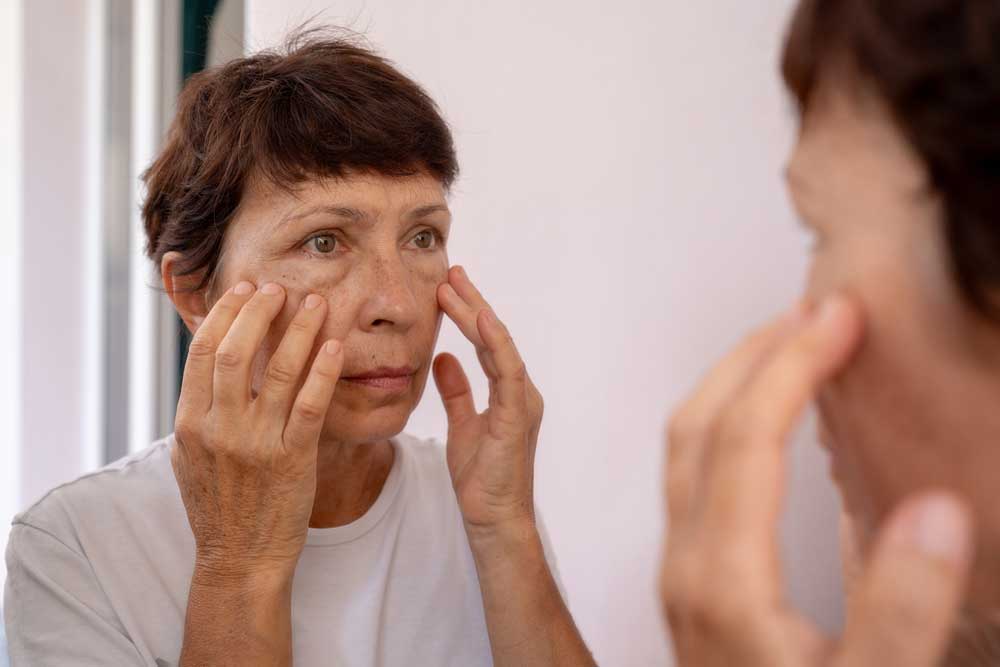
The Puffy Body Type: Thyroid Clues
A sluggish thyroid can make the body feel like it's moving through treacle.
The thyroid gland controls metabolism, energy production, and how efficiently the body burns calories. When thyroid hormone levels are low, weight gain often appears alongside fluid retention.
Rather than weight being concentrated in one area, people may notice an overall puffy appearance, along with symptoms such as:
- Fatigue
- Feeling cold easily
- Dry skin
- Slower digestion
Hypothyroidism affects millions worldwide and is particularly common among women.
Testosterone: Not Just A Men's Hormone
Testosterone plays an important role in both men and women.
Healthy testosterone levels support muscle development, strength, and fat metabolism. In men, declining testosterone can contribute to increased body fat and reduced muscle definition.
In women, elevated testosterone levels, often associated with PCOS, may contribute to abdominal fat accumulation alongside acne and excessive facial or body hair growth.
Can You Change Your Hormonal Body Type?
The encouraging news is that hormones are not fixed. While genetics influence where we naturally carry weight, lifestyle habits have a powerful impact on hormonal balance.
For example:
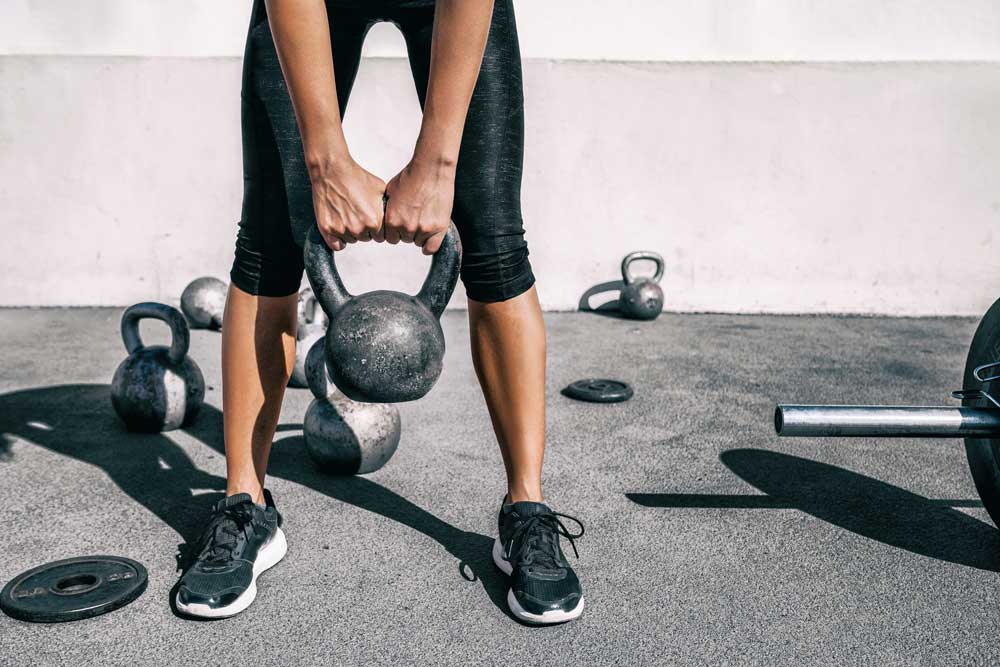
- Strength training improves insulin sensitivity and supports testosterone production.
- Prioritising sleep helps regulate cortisol.
- Eating adequate protein supports muscle preservation.
- Managing stress can reduce abdominal fat accumulation linked to cortisol.
- Addressing nutrient deficiencies and underlying health conditions can support thyroid function.
Research consistently shows that even modest lifestyle changes can improve hormonal health and body composition over time.
Perhaps the most important thing to remember is that your body shape is information, not a verdict. For years, we've been taught to view body types through a cosmetic lens. But from a health perspective, they can offer valuable insight into what's happening beneath the surface.
As Dr Punam Solanki explains, ;Understanding your hormonal profile allows you to approach health in a more personalised way. Instead of fighting your body, you can begin supporting it.’
The next time your body seems stubborn, it may not be a lack of effort holding you back. It could simply be your hormones trying to tell a story. Learning to listen might be the first step towards lasting change.