By every visible measure, Indian women have never been more health-aware. They count steps on smartwatches, follow nutrition influencers, and join Pilates classes. Yet the latest National Family Health Survey (NFHS-6) throws up troubling statistics: 30.7 per cent of Indian women aged 15-49 are now overweight or obese, up sharply from 24 per cent just a few years ago in NFHS-5. High blood sugar levels among women have also risen significantly, from 13.5 per cent to 17.8 per cent, signalling an impending diabetes crisis. So, what is going on?
The answer lies in a paradox of modern womanhood. Women are paying more attention to health than ever before, but many are living in environments that make genuine health harder to achieve.
Healthy Versus Health Conscious
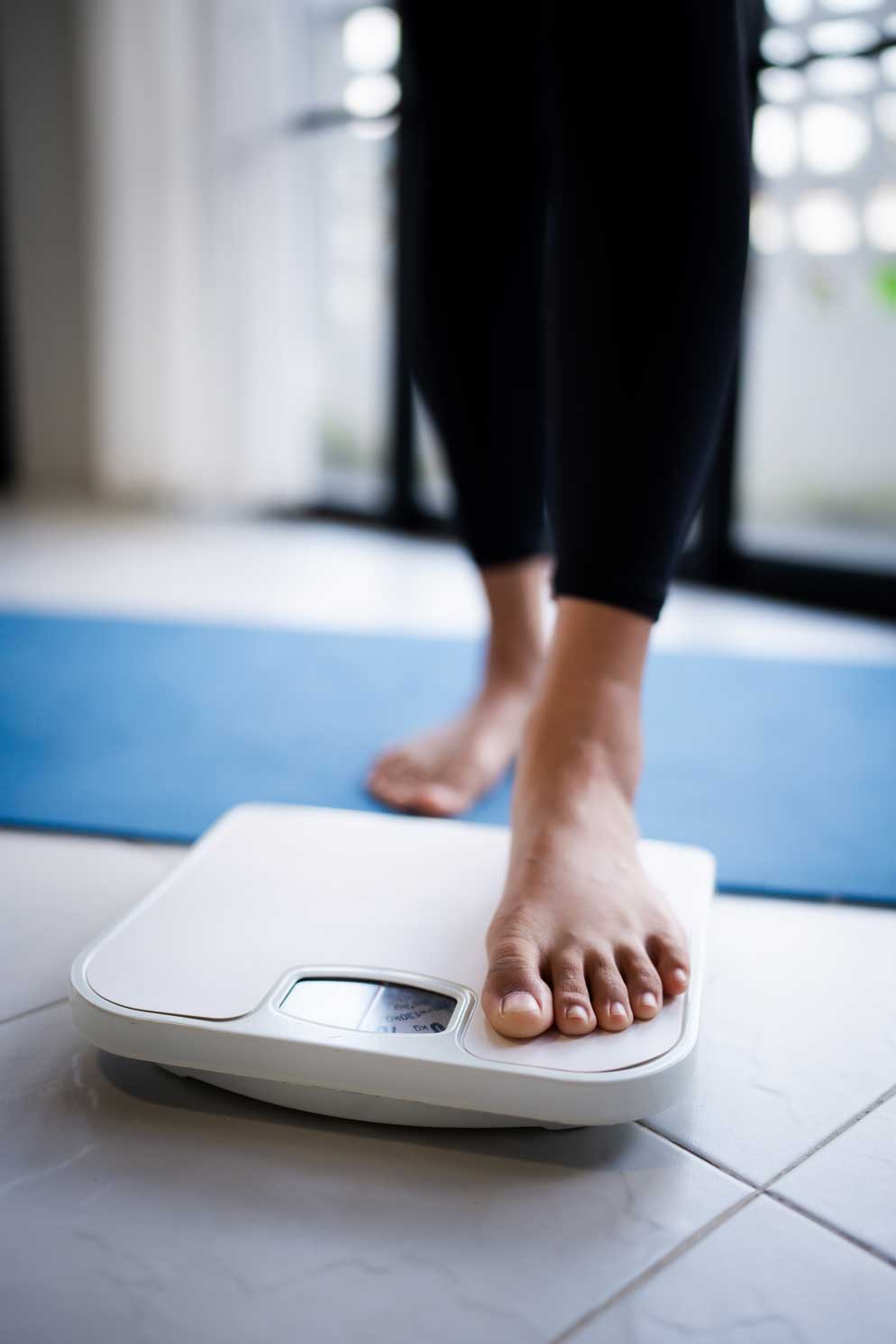
Many women are investing enormous effort into appearance-based wellness rather than metabolic health. Social media rewards visible results such as flat stomachs, glowing skin and weight-loss transformations. But blood sugar control, muscle mass, sleep quality and stress management rarely make glamorous Instagram posts. Health is a lifestyle and not a short-term project. Yet many women still cycle through restrictive diets, detoxes and unsustainable workout plans that can backfire. The result is a generation that may look fitter but is often battling metabolic dysfunction beneath the surface.
The Silent Weight-Gain Hormone
If there is one factor doctors increasingly blame, it is chronic stress. Today's Indian woman is often juggling multiple identities simultaneously, being a professional, daughter, wife, mother, caregiver and financial contributor. While women have gained economic independence, they have not necessarily lost traditional responsibilities. Stress raises cortisol levels, which can increase appetite, trigger cravings for sugar and fat, encourage abdominal fat storage and worsen insulin resistance. Emotional eating has become one of urban India's most under-discussed health issues. A difficult day at work, a relationship problem or caregiving exhaustion can easily translate into late-night food delivery, sugary snacks or comfort eating. The problem is not a lack of knowledge. Most women know what they should eat. The challenge is that stress often overrides logic.

The Great Sitting Epidemic
The modern workplace may be another culprit. India's growing service economy has moved millions of women from physically active routines to desk-bound jobs. Hybrid work, while convenient, has unintentionally reduced daily movement even further. The commute to the train station, climbing office stairs, walking to lunch or moving between meetings has been replaced by a laptop on the dining table.
Experts call this ‘incidental movement’ or the calories burnt through ordinary daily activity. When it disappears, weight gain often follows, even among women who exercise regularly. NFHS-6 data shows that obesity remains significantly higher in urban areas, where sedentary lifestyles, greater screen time and easy access to ultra-processed foods are increasingly common. Many women now spend 10 or more hours sitting every day. A one-hour gym session cannot completely compensate for the metabolic consequences of prolonged inactivity.

The Condition Defining A Generation
Few conditions illustrate the changing health landscape better than Polycystic Ovary Syndrome (PCOS), recently renamed as Polyendocrine Metabolic Ovarian Syndrome (PMOS) to better reflect its metabolic nature. PMOS affects millions of Indian women and is increasingly being diagnosed at younger ages. Doctors report seeing teenagers and women in their early twenties presenting with symptoms such as irregular periods, acne, weight gain and fertility concerns.
What makes PMOS particularly concerning is its close relationship with insulin resistance. Many women view it purely as a reproductive disorder when it is actually a metabolic condition linked to obesity, diabetes and cardiovascular disease risk. For some women, weight gain contributes to PMOS. For others, PMOS itself makes weight management significantly harder. It becomes a vicious cycle that can affect both physical and mental health.
Perimenopause
Another overlooked factor is age. Women in their late thirties and forties often discover that the strategies that worked in their twenties suddenly stop working. The reason may be perimenopause or the transition period before menopause. Declining oestrogen levels affect body composition, muscle mass, fat distribution and insulin sensitivity. Women may gain weight around the abdomen even when their diet remains unchanged. Sleep disturbances, mood fluctuations and fatigue can further reduce motivation for exercise and healthy eating. Yet many women blame themselves. In reality, biology is changing. Understanding these hormonal shifts is essential if women are to manage them successfully.
The Diabetes Danger
The most worrying statistic in NFHS-6 may not be obesity itself but rising blood sugar levels. Women with elevated blood sugar increased from 13.5 per cent to 17.8 per cent in the latest survey. India already carries one of the world's largest diabetes burdens. Excess weight, stress, poor sleep, and inactivity all feed into insulin resistance, creating a perfect storm. What is especially alarming is that many women develop metabolic problems despite appearing only mildly overweight.
South Asians are known to develop diabetes at lower body-mass indices than Western populations because they tend to accumulate more visceral fat around internal organs. In other words, someone can look relatively healthy while remaining metabolically vulnerable.
Beyond The Weighing Scale
Perhaps the biggest challenge facing Indian women today is redefining what health actually means. It is about prioritising strength, hormonal balance and mental wellbeing over chasing unrealistic beauty standards. That shift in thinking may be exactly what women need.
Health is not merely fitting into smaller clothes. It is stable energy throughout the day, and healthy blood sugar levels along with strong muscles, good sleep, emotional resilience and a body that functions well through every life stage.
The NFHS-6 findings are not evidence that women have become careless. In many ways, they are trying harder than ever. The challenge is that many aspects of modern life work against women’s wellbeing: From chronic stress and sedentary jobs to highly processed food environments, hormonal imbalances and unrealistic social expectations. The answer, therefore, is NOT another fad diet or quick fix. It calls for a more comprehensive view of women’s health, one that places equal importance on metabolic health, physical vitality and long-term overall wellbeing, rather than focusing on appearance alone.