
 home
home HERoes
 StrongHER
 exclusive
 bizruptors
 connect
 showcase
 engage
 grow
grow goals
goals period goals
 fertility and pregnancy goals
 diet and fitness goals
 finance goals
 help
help contest
 about us


World Tsunami Day: How Indian Women Are Rebuilding Coastal Economies
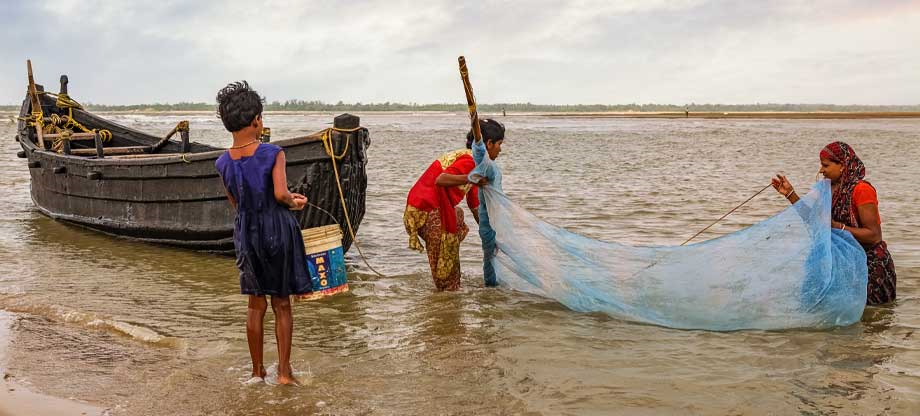
Every year on November 5, World Tsunami Awareness Day is observed, designated by the United Nations to honour traditional knowledge and strengthen preparedness. Over twenty years after the devastating tsunami off India’s east coast, coastal communities continue to reflect on loss, recovery, and the work still to be done. The story of rebuilding after tsunamis in India is not only one of infrastructure. It’s also about women stepping into leadership roles to redesign how the coast sustains itself.
Mangroves And Women’s Nurseries
Nature-based solutions are front and centre in coastal resilience strategies, with women as their custodians. Across Odisha, the Sundarbans in West Bengal, and pockets along India’s west coast, women’s self-help groups run mangrove nurseries and planting drives that protect shorelines from storm surge and create paid work. These nurseries supply seedlings and often train other villagers in sapling care, turning a protective belt of trees into a locally managed economic asset. Projects in Maharashtra and Odisha show how women-led mangrove programs generate livelihoods, while also restoring natural defenses against tsunamis. For instance, near Mumbai, a coastal restoration project trained women from self-help groups to monitor mangrove health and run crab-farming units. Their success prompted the local government to create a co-management committee, giving women formal roles in coastal decision-making.
Sustainable Fishing
After the 2004 tsunami, fisherwomen’s groups in southern Kerala launched micro-enterprises processing fish, coir and spices. One cooperative turned a roadside stall into a registered business selling smoked fish and ready-to-cook mixes. The profits funded school fees and cyclone-proof storage boxes. Academic studies and program reports trace how these groups improved both income stability and women’s bargaining power in the household.
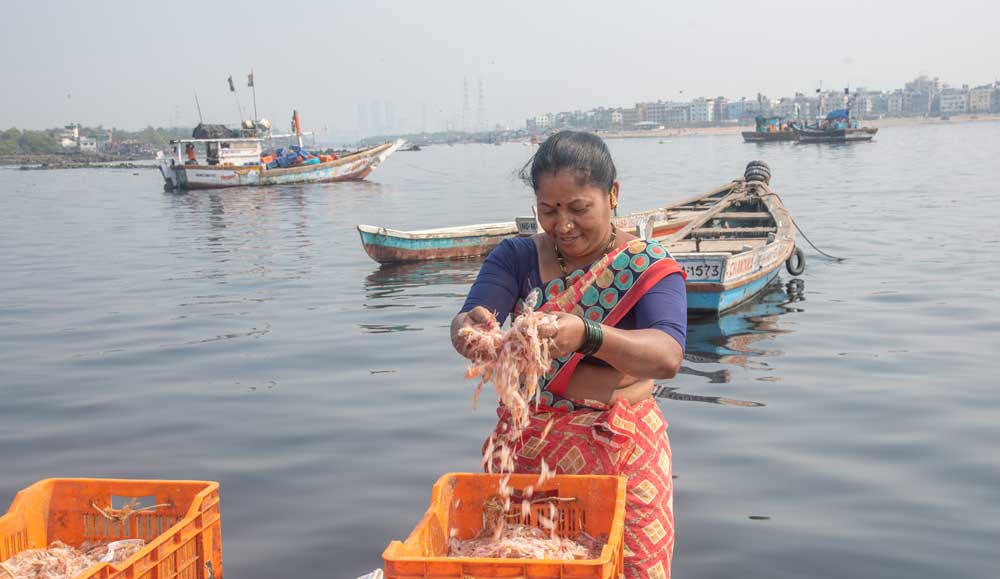
Women in many coastal districts are reshaping the post-harvest value chain, moving from unpaid labour to becoming microenterprise owners. In Odisha, the Samudram network is formed from hundreds of women’s groups. They built community-run enterprises for processing and marketing seafood products, improving incomes while reducing waste. Across Kerala and Tamil Nadu, organisations supported by research foundations and NGOs have introduced hygienic dry-fish units, rolling trolleys for safer handling, and training in value-added processing. These measures increase price realisation for fish and reduce the physical toll on women workers.
Eco And Community Tourism
Community-based ecotourism has become a career pathway for women. Kerala’s gender-inclusive tourism push, documents thousands of women joining as homestay hosts, guides and service providers. This shows how policy combined with training can turn cultural and natural assets into steady cash for women, especially when fishing and farming incomes fall. In many places, women-run homestays and community tours focus on low-impact nature activities like birding, which reward conservation.
Education And Early Warning
Recovery from tsunamis is not only rebuilding brick and mortar but rebuilding knowledge. Women are central in passing on early-warning signals, running school programs for preparedness and translating alerts into household action plans. Community-based mapping and beach-profiling exercises frequently involve women gathering local knowledge on tide patterns, erosion spots, and where shelters are safest. These grassroots educators increase evacuation speed and reduce loss during sudden events.
On World Tsunami Awareness Day, the lesson is clear. Early warning systems are necessary, but not sufficient. Coastal resilience in India increasingly depends on the quiet, locally-rooted actions of women who restore mangroves, run sustainable fisheries, and host eco-visitors. Those actions protect lives and reimagine coastal economies.