On June 22, as the world observes World Rainforest Day, it’s time to acknowledge an overlooked fact: India's most effective rainforest guardians are women. They have stood at the forefront of rainforest conservation without bearing the title of environmentalist, conservation scientist or climate activist. They are farmers, homemakers, gatherers, seed keepers, healers and storytellers. Yet their daily actions protect some of India's most biodiverse ecosystems.
The relationship is deeply symbiotic. Women protect rainforests, and rainforests, in turn, sustain women's health, livelihoods, culture and wisdom. Together, they form one of India's oldest and most resilient partnerships.
The Forest Is Part Of Home
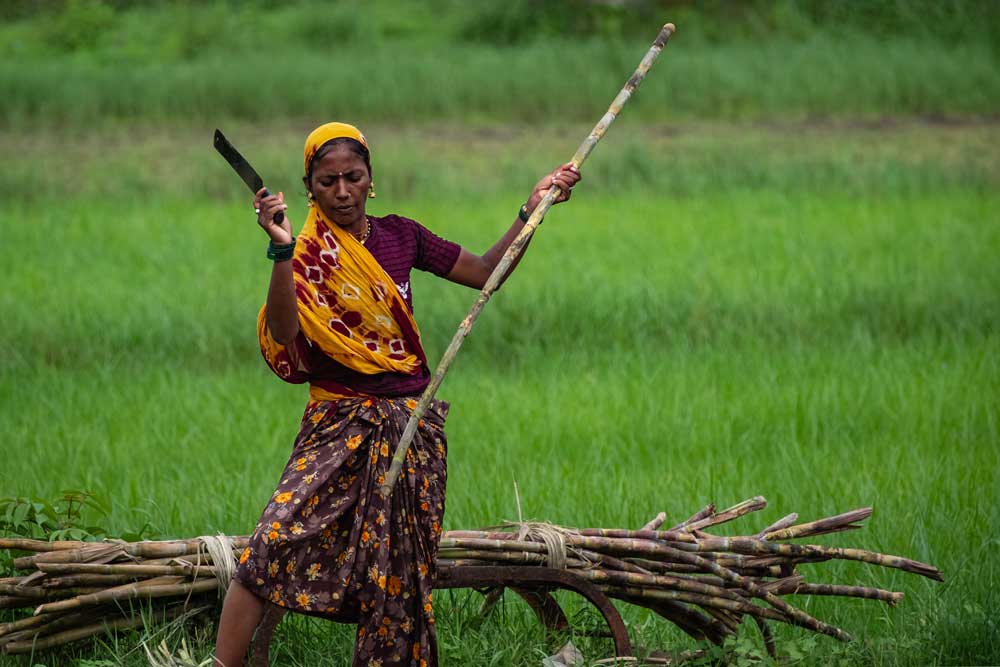
For millions of women living near India's rainforests, the forest is an extension of their home. In the Western Ghats, women from indigenous and farming communities have traditionally gathered forest foods, medicinal herbs, fruits, spices and natural fibres. Across North-East India, tribal women manage kitchen gardens rich in local biodiversity and play a central role in preserving indigenous crops. In the Andaman and Nicobar Islands, forest ecosystems continue to dictate sustainable ways of living.
Women often possess a detailed understanding of seasonal cycles, such as when certain fruits ripen, which medicinal plants emerge after the rains, where pollinators thrive and how changing weather patterns affect food security. This intimate ecological knowledge has been passed from one generation to the next through observation, practice and oral tradition.
Long before sustainability became a global buzzword, women living alongside rainforests were practising it every day. They harvested only what was needed. They understood the importance of leaving enough seeds for regeneration. They knew that forests could provide abundance only if treated with respect.
The Wisdom Behind Wellness
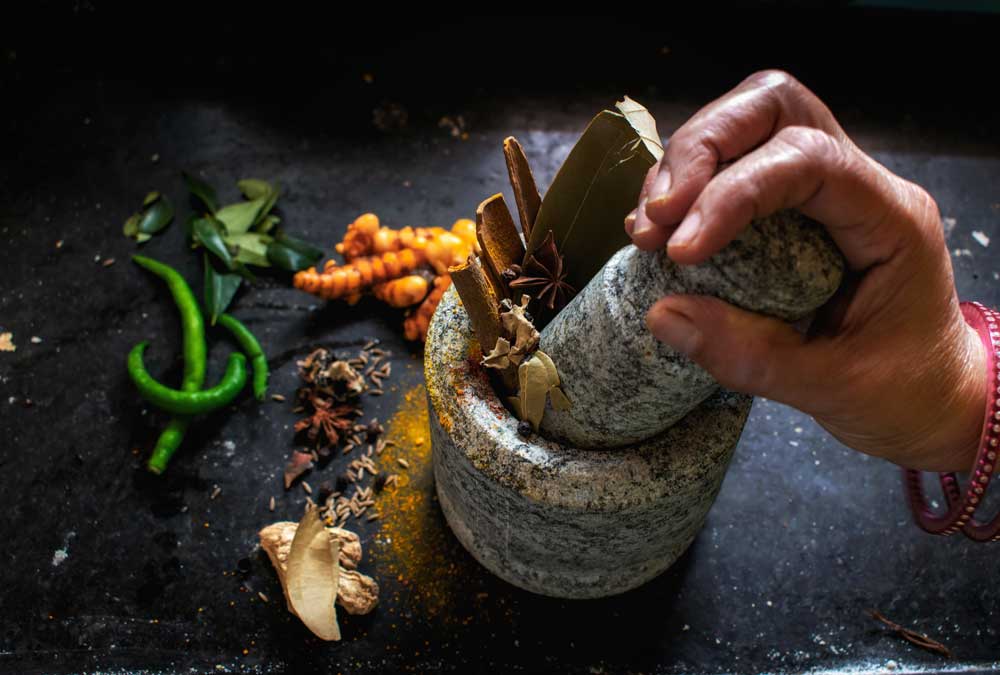
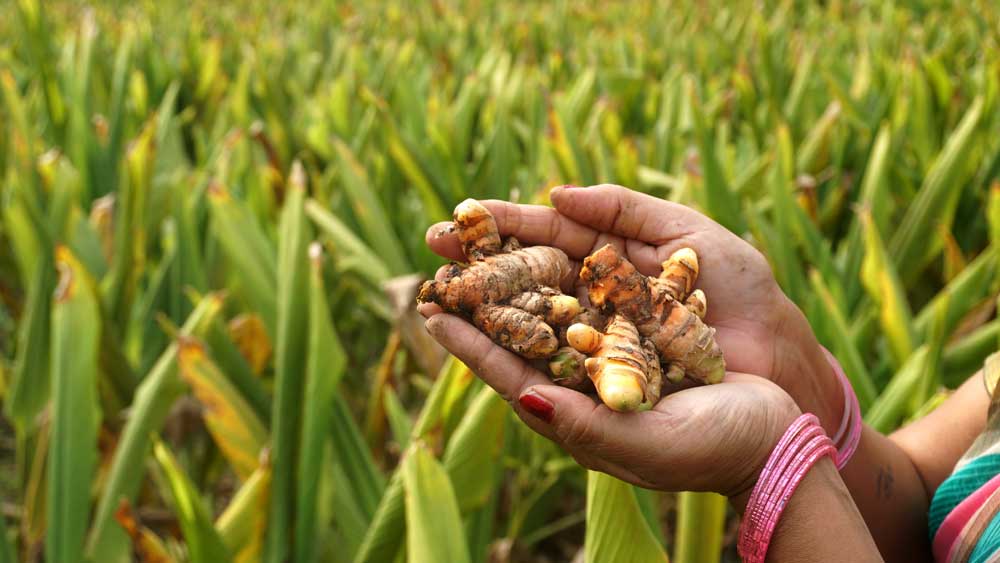
Many of the natural ingredients celebrated today in the wellness and beauty industries have their roots in rainforest ecosystems and indigenous knowledge. Now hailed globally as a superfood, turmeric has been used by Indian women for centuries as medicine, skincare, food and ritual. Traditional communities understood its anti-inflammatory and healing properties long before modern science validated them.
The same is true for countless rainforest-derived resources. Wild honey, forest herbs, medicinal roots, aromatic leaves and healing plants have always formed part of traditional healthcare systems maintained primarily by women. Across rainforest communities, women are often the custodians of ethnobotanical knowledge or the understanding of how plants can nourish, heal and protect.
A grandmother may know which leaf can reduce fever or which bark can soothe digestive ailments. Such knowledge is rarely written down. It is transmitted through stories, practice and memory. As biodiversity disappears, this wisdom risks disappearing with it. Protecting rainforests therefore means protecting living libraries of knowledge that have evolved over generations.
Extraction Versus Ethical Sourcing
The global demand for natural ingredients has created both opportunities and challenges. Consumers increasingly seek products made from botanical ingredients, herbal extracts and natural oils. However, there is a critical difference between sustainable sourcing and exploitation. Many rainforest products become vulnerable when commercial demand outpaces ecological limits. Over-harvesting can damage fragile ecosystems and threaten species survival.
Women-led community initiatives across India are helping create a more balanced model. Self-help groups, forest cooperatives and women's collectives are promoting responsible harvesting practices that allow ecosystems to regenerate naturally. Instead of extracting as much as possible, they focus on long-term stewardship.
This approach is influencing a growing number of ethical beauty, wellness and food brands. Increasingly, businesses are recognising that the true value of natural ingredients lies not only in the ingredient itself, but also in the communities and ecosystems that sustain it. When consumers choose responsibly sourced products, they help support livelihoods while encouraging conservation.
Defenders Of Biodiversity
Rainforests are among the world’s richest reservoirs of biodiversity. Yet they face mounting pressures from climate change, habitat fragmentation, unsustainable extraction and development pressures. Women often experience these environmental changes first. When water sources shrink, it is women who travel farther to collect water. When wild food availability declines, they must find alternative ways to nourish their families. When crop diversity decreases, household food security becomes more fragile. This proximity to ecological change often makes women powerful advocates for biodiversity protection.
Across India, women have led community efforts to restore degraded landscapes, conserve native seed varieties and promote sustainable agriculture practices that reduce pressure on forests. Seed preservation is particularly significant. Traditional seed keepers understand that agricultural diversity creates resilience. By maintaining local crop varieties adapted to regional conditions, women help communities withstand climate variability and reduce dependence on external inputs.
Perhaps one of the most remarkable contributions of indigenous women is their role as storytellers. Oral storytelling traditions have long served as tools for environmental education. Through songs, folklore, myths and rituals, communities pass on ecological values that encourage respect for nature. Many stories teach children that forests are living entities rather than resources to be consumed.
There are other compelling reasons to safeguard these ecosystems. Scientists continue to discover new medicinal compounds, nutritional resources and climate-resilient plant varieties in biodiverse ecosystems. Many future breakthroughs in healthcare, agriculture and biotechnology may originate from species that remain poorly understood today. If forests disappear, these possibilities disappear with them. Women who protect rainforests are therefore helping safeguard resources that future generations may depend upon.
A New Generation
Today, a new generation of Indian women are protecting rainforests by embracing modern tools. They build upon traditional ecological knowledge but also study rainforest ecosystems using satellite mapping and data science. Lawyers are advocating for environmental protections and indigenous rights and entrepreneurs are developing sustainable supply chains that reward conservation rather than destruction.
Technology is helping document traditional medicinal knowledge before it is lost. Social media is amplifying the voices of indigenous communities and citizen science projects are engaging young people in biodiversity monitoring. Importantly, many of these women view traditional knowledge and modern science not as opposing forces but as complementary ones.
World Rainforest Day reminds us of the urgent need to protect Earth’s remaining forests. For generations, women have nurtured a relationship with rainforests based on reciprocity. The forests have provided food, medicine, livelihoods and wisdom, just as women have provided care, protection and continuity. In an era of environmental uncertainty, this enduring partnership offers a powerful model for the future.