On March 30, 2026, as the world observes the International Day of Zero Waste, the spotlight this year turns to an uncomfortable truth hiding in plain sight. Food waste is no longer just an environmental issue. It is a cultural, psychological, and deeply gendered story. In India, where food is sacred and abundance is celebrated, the paradox is stark. This year’s focus on food waste invites us to look closer.
The Psychology Of Food Waste In Modern India
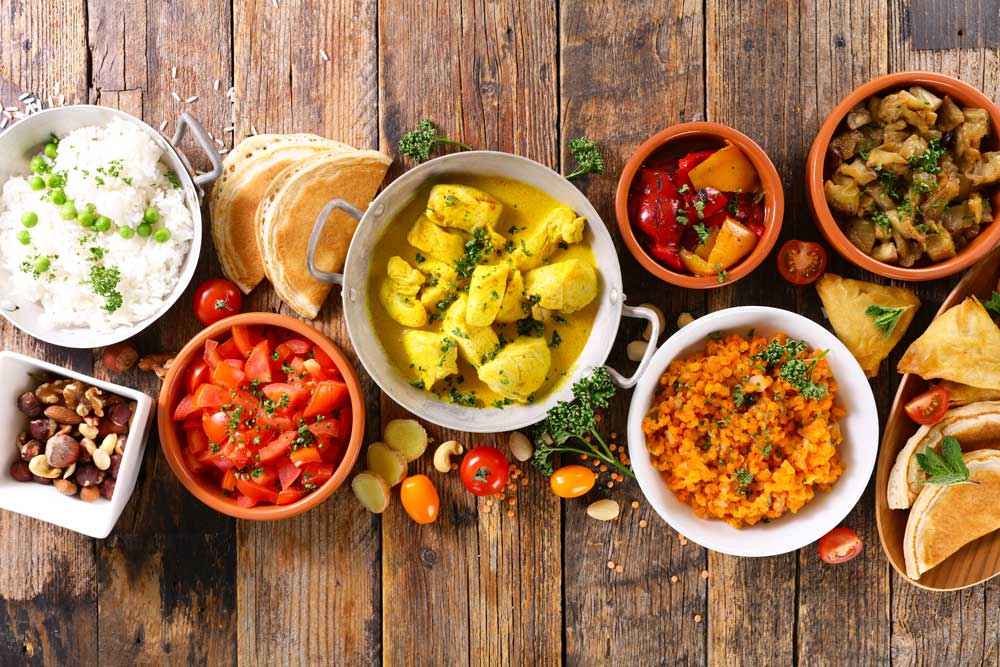
Step into a typical urban Indian kitchen at dinnertime, and you’ll likely find more food than the family can consume. With a little extra rice ‘just in case,’ one more sabzi for variety, an extra batch of rotis to avoid running short, overcooking is not accidental. It stems from the powerful belief that hospitality equals abundance. To serve less is to risk appearing ungenerous. Food also reflects affection, status, and social currency.
Then there’s the quiet stigma around leftovers. While many households refrigerate and reuse food, there’s still a lingering perception that reheated meals are inferior. In some families, serving leftovers to guests is unthinkable. Even within the home, freshly cooked food is often preferred, leading to yesterday’s dishes being pushed to the back of the fridge, only to be discarded later.
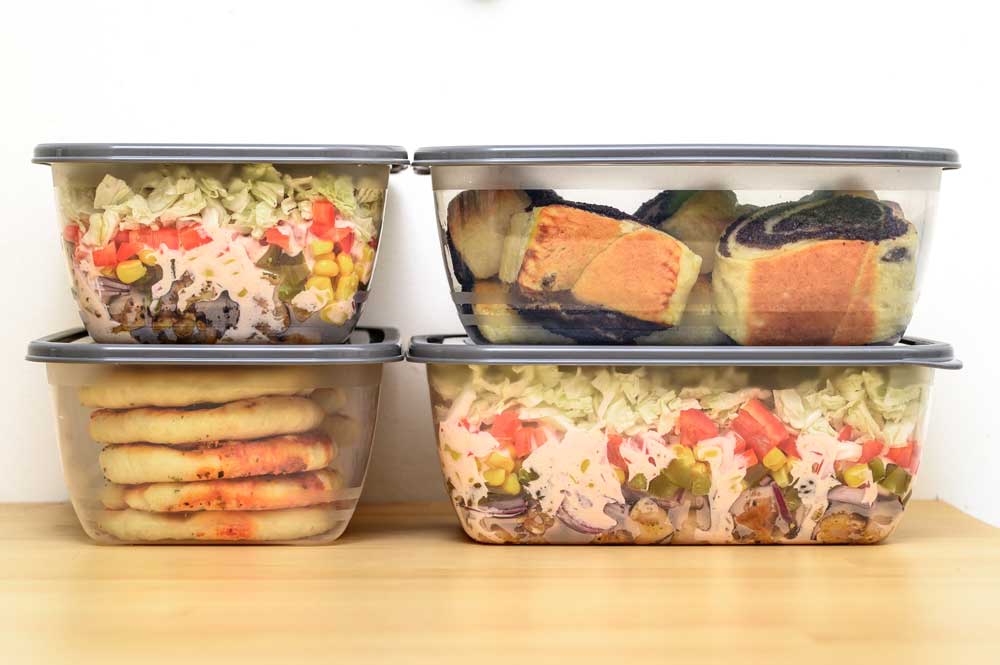
Urban lifestyles amplify the problem. With dual-income households and unpredictable schedules, meal planning becomes erratic. Groceries are bought aspirationally such as fresh greens, exotic fruits and artisanal breads, many of which perish before they are fully used. The rise of food delivery apps adds another layer of convenience and encourages over-ordering, often driven by discounts or cravings rather than actual need.
Ironically, in a country where previous generations experienced scarcity, abundance has become a marker of progress. But this abundance comes at a cost we are only beginning to understand.
The Journey Of Discarded Food
What happens after we scrape uneaten food into the bin? In most Indian cities, the journey is far from benign. Food waste typically ends up in landfills, where it decomposes anaerobically, releasing methane, a greenhouse gas far more potent than carbon dioxide. This invisible emission contributes significantly to climate change.

But the environmental cost is only part of the story. There is also a human cost, often borne by women at the margins of society. Across urban and peri-urban India, thousands of women work as informal waste pickers. Their labour is largely invisible, yet essential. They sift through mixed waste, often without protective gear, recovering recyclables and separating organic matter. Food waste makes their work harder and more hazardous. It attracts pests, creates foul odour, and increases the volume of waste they must handle. For many, this is not just a job but a survival strategy, performed under conditions that most of us would find unimaginable.
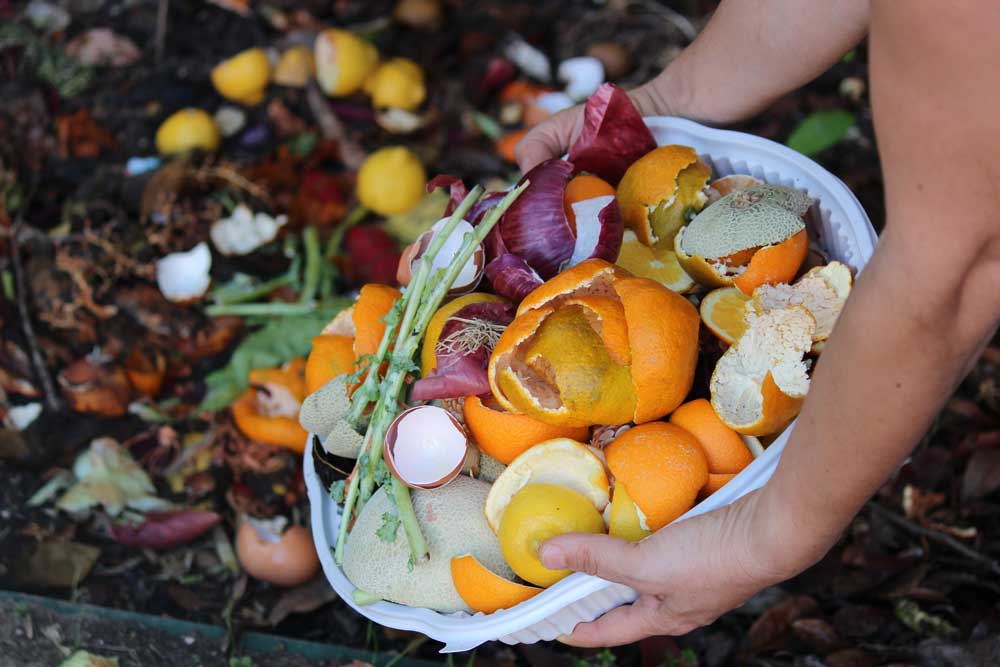
In some cities, composting initiatives are beginning to change this narrative. Decentralised composting units process organic waste locally, reducing landfill burden and creating employment opportunities in safer, more structured environments. Women’s self-help groups are often at the forefront of these efforts, managing composting sites and selling the resulting manure. Yet, these solutions remain limited in scale. The reality is that every plate of wasted food sets off a chain reaction with environmental damage, economic loss, and human labour that goes unseen.
Forgotten Kitchen Wisdom: Lessons From Our Grandmothers
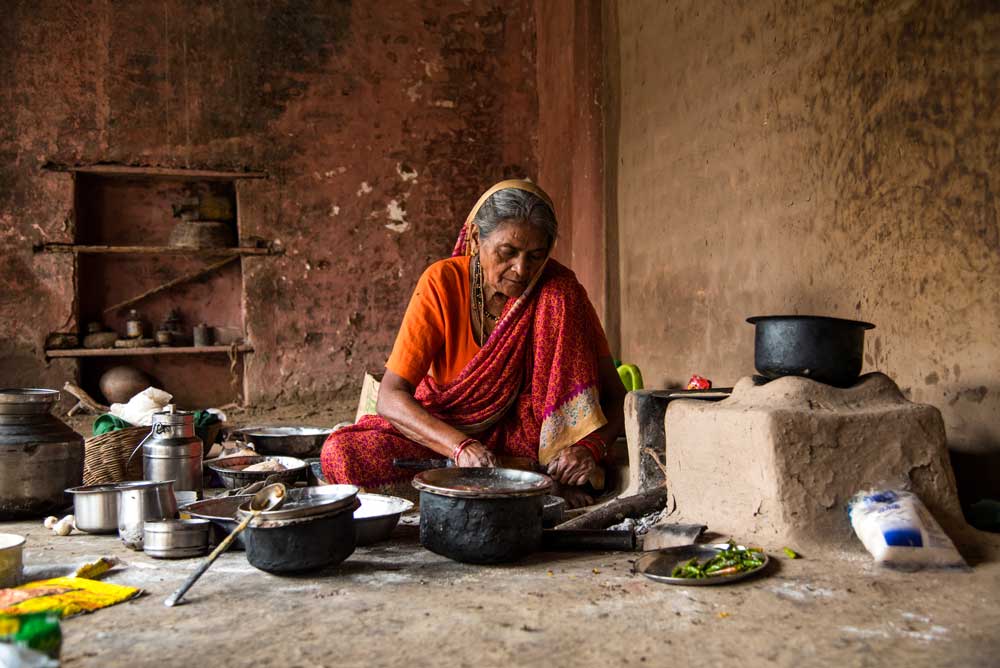
Long before ‘zero waste’ became a global movement, Indian kitchens practiced it instinctively. Our grandmothers didn’t call it sustainability. It was simply how things were done.
Take vegetable peels, for instance. What many of us discard today was once transformed into delicacies. Bottle gourd peels became chutneys, watermelon rinds turned into curries, and potato skins were crisped into snacks. Nothing was wasted because everything had potential. Yesterday’s rice became lemon rice or curd rice. Stale rotis were reborn as upma or laddoos. Fermentation was not just a preservation technique but a culinary art. Idli batter and kanji all extended the life of ingredients while enhancing their nutritional value.
Even meat consumption followed a zero-waste philosophy. Nose-to-tail cooking ensured that every part of the animal was used such as bones for broth, organs for nutrient-rich dishes, and scraps for flavourful gravies. It was economical, respectful, and deeply sustainable.
What’s striking is that these practices were not driven by environmental awareness but by a mindset of resourcefulness and respect. Today, as we grapple with mounting food waste, these traditions offer not just nostalgia but solutions.
Technology Meets Tradition: Cutting Food Waste In Modern Homes
If our grandmothers relied on intuition, today’s households have a new ally in technology. Across India, a wave of digital tools is helping families rethink how they buy, store, and consume food. Meal planning apps now use artificial intelligence to suggest weekly menus based on dietary preferences, seasonal produce, and existing pantry items. By aligning shopping lists with actual consumption, they can help reduce impulsive buying and remind you about forgotten ingredients.
Expiry-tracking apps are gaining popularity, allowing users to log groceries and receive reminders before items spoil. Some even suggest recipes using soon-to-expire ingredients, turning potential waste into creative meals.

Smart refrigerators, once considered luxury gadgets, are becoming more accessible. Equipped with internal cameras and inventory systems, they let users check their fridge contents remotely and track freshness. Imagine standing in a supermarket aisle and knowing exactly what you already have at home.
Local innovations are also making a difference. Startups are developing platforms that connect households with surplus food to nearby shelters and community kitchens. Others are creating composting solutions tailored for urban apartments, making it easier to convert kitchen waste into nutrient-rich soil.
Even something as simple as WhatsApp groups in residential communities is playing a role. Neighbours share excess food, exchange ingredients, and coordinate bulk purchases to minimise waste. Technology, when combined with mindful habits, has the potential to transform our kitchens into efficient, low-waste ecosystems.

Rethinking Our Relationship With Food
As we mark the International Day of Zero Waste, let us remember that food waste is not just about what we discard. It is shaped by our cultural values, our daily habits, and the systems we participate in. Changing it requires both introspection and action. You must acknowledge the environmental footprint and the invisible labour that sustains our waste systems.
Begins with small shifts such as cooking a little less, embracing leftovers without hesitation, or rediscovering traditional recipes that make use of every ingredient. It might involve using a meal planning app, tracking expiry dates, or composting kitchen scraps. By blending the wisdom of our grandmothers with the tools of modern technology, we can create kitchens that are not just efficient but respectful of food and our planet.