On March 2, 2026, a significant push toward women-focused social support unfolded in the national capital as President Droupadi Murmu formally launched the Pink National Common Mobility Card along with three additional welfare schemes aimed at easing daily burdens for women and girls in Delhi. The package of measures was announced under the umbrella programme ‘Sashakt Nari, Samriddh Delhi’ combining mobility, household relief, financial inclusion, and safety.
A Mobility Revolution In Pink
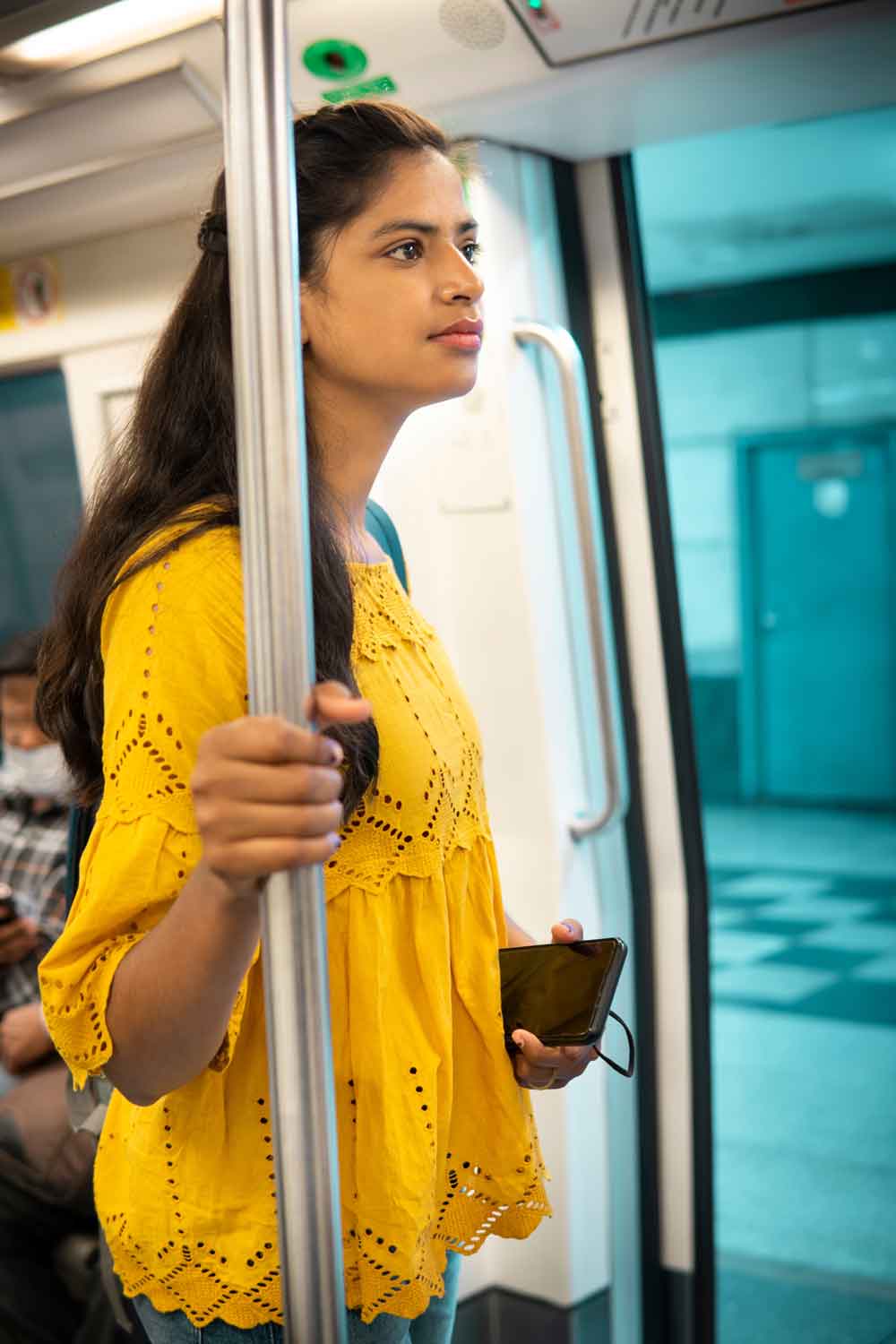
The centrepiece of the announcement was the Pink National Common Mobility Card (Pink NCMC), a women-exclusive version of India’s interoperable transit smart card. Designed as a single tap-and-go payment tool, the Pink NCMC allows women to seamlessly travel across Delhi’s public transport network including metro, buses, and select last-mile services, without juggling cash or multiple tickets.
Officials described the card as both a convenience and an empowerment tool. Beyond simple fare payment, the Pink NCMC is expected to integrate concessions, loyalty benefits, and safety features such as trip logging. For working women, students, and domestic workers who rely heavily on public transport, the card promises to cut queue times, reduce daily friction, and encourage greater workforce participation.
Transport planners believe the pink branding helps clearly identify the card’s beneficiary group, enabling targeted subsidies and future women-specific mobility programs.
Relief For Household Budgets
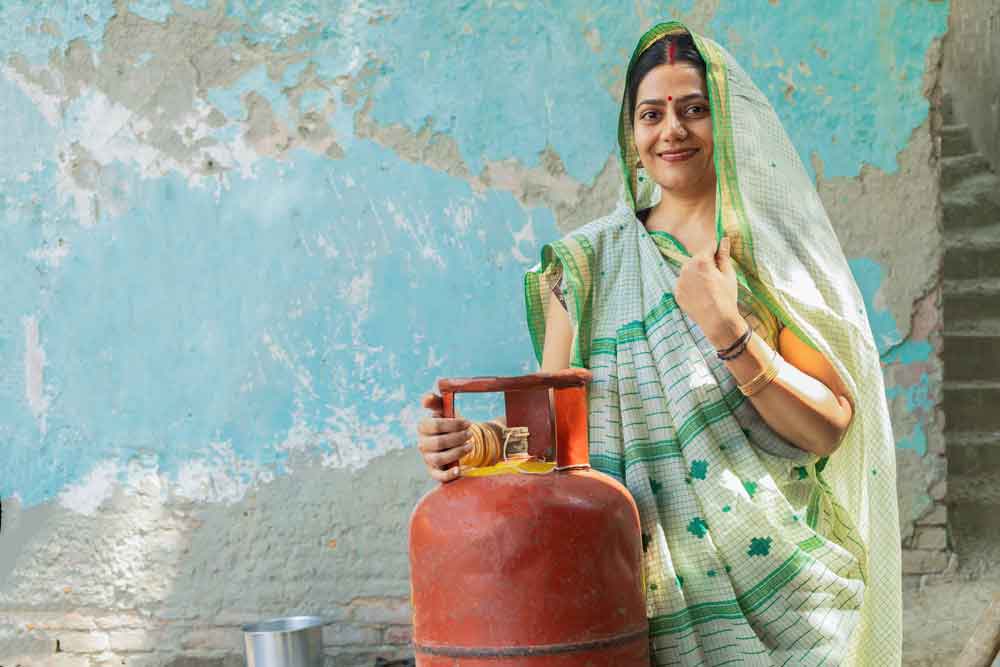
Two free LPG cylinders will be provided annually to eligible women-headed households. In a city where cooking gas prices have steadily strained family budgets, the move offers direct financial breathing room. For many lower- and middle-income families in Delhi, LPG refills form a significant portion of monthly expenses. By covering the cost of two cylinders each year, women stand to benefit in their household provisioning.
Policy analysts note an additional public-health angle. Subsidising clean cooking fuel discourages any fallback to polluting alternatives such as kerosene or biomass in peri-urban pockets. This could contribute to better indoor air quality, particularly benefiting women and children who spend more time near cooking areas.
Financial Security For Girls
The ‘Delhi Lakhpati Bitiya Yojana’ was the third scheme launched, a major girl-child financial security programme. It is essentially an upgraded and modernised version of the earlier Ladli Scheme. The core goal is to ensure that every eligible girl from economically weaker families grows up with assured savings, support for education, and financial security at adulthood
Under the new structure, the government deposits ₹56,000 - ₹61,000 in stages in the girl’s name from birth through education milestones. With accumulated interest, the maturity value is expected to exceed ₹1 lakh by age 21. Funds are released only after the girl completes required education conditions (Class XII and higher studies). This model encourages families to keep girls in school and continue their education.
While detailed guidelines may evolve, key criteria include that the girl child must be born in Delhi, with a family income cap of around ₹1.20 lakh annually. The benefit is limited to two girl children per family. Importantly, the scheme now covers girls pursuing graduation or professional diplomas anywhere in India, widening its scope.
Special Drive For Funding
The last initiative announced was ‘Meri Poonji, Mera Adhikar’, a special drive to release pending funds under the older Ladli programme. The main aim is to ensure that girls who were already entitled to money actually receive it without delay. In many cases under the old system, beneficiaries were unaware of their maturity amount, or it was stuck in paperwork and they waited years for payment. The new campaign fixes that backlog.
At the event on March 2, ₹100-plus crore was transferred via Direct Benefit Transfer (DBT) and around 40,642 eligible girls received funds directly in their bank accounts. This was one of the largest single-day payouts under the Ladli framework.
With Direct Benefit Transfer (DBT), money goes straight to Aadhaar-linked bank accounts, ensuring no middlemen, faster payment and full transparency. The government also conducted targeted outreach to identify girls whose funds were pending. Unlike Lakhpati Bitiya (which is ongoing), this is primarily a settlement and clearance initiative. Beneficiaries are girls who were already enrolled in the Ladli Scheme, have reached maturity stage and had pending payments. Some of these girls are now entering higher education or early employment. For many families, receiving the long-awaited lump sum can help pay for college fees, skill training, or starting a small venture.
Implementation Challenges Ahead
As with any large welfare rollout, execution will determine success. Key challenges include ensuring smooth card distribution, preventing subsidy leakages in the LPG program, and making the Lakhpati Bitiya scheme accessible beyond paperwork-heavy processes. Digital literacy gaps may also affect early adoption of the Pink NCMC among older or less tech-savvy women. Officials have indicated that assisted enrollment camps and offline recharge options will be part of the rollout strategy. For the Pink NCMC to deliver full value, seamless interoperability across buses, metro lines, and feeder services must work reliably from day one.
Taken together, the four schemes reflect a policy shift toward bundling mobility, economic support, and household relief into a single framework. Rather than isolated benefits, the approach attempts to address the everyday ecosystem that shapes women’s participation in urban life.