On the day an Indian athlete stands on a podium, the country’s flag goes up, a medal is placed around her neck, cameras flash, and headlines are written. But sporting success is rarely the work of just one person. Long before the medal ceremony, there are women who have been correcting the athlete’s gait, planning a meal, or making a broadcast. These are the among the invisible women of Indian sport and their roles range from physiotherapist to manager. Modern elite sport is a multidisciplinary performance ecosystem and if India wants to become a sporting powerhouse, the gender balance within that ecosystem matters almost as much as the medals.
The Support System’s Gender Gap
One of the clearest snapshots comes from the Simply Sport Foundation's Women in Sport Report 2022. Its survey of sporting facilities found that women accounted for only 22 per cent of support staff, including coaches, masseuses, fitness trainers and physiotherapists. Among coaches, the ratio was roughly one woman to three men at the majority of facilities surveyed. The imbalance is even more striking higher up the sporting hierarchy. The same report found that at several national sports federations, women constituted only 2-8 per cent of governing bodies, while 3 per cent of the total composition of various committees across the apex federation bodies surveyed was female.
In other words, women may be increasingly visible as athletes while remaining far less visible as the professionals who train, treat, manage and govern athletes. The distinction is important because a country cannot build a sustainable sporting system simply by producing more elite competitors. It also needs a pool of qualified professionals and that is where the next gender conversation in Indian sport needs to happen.
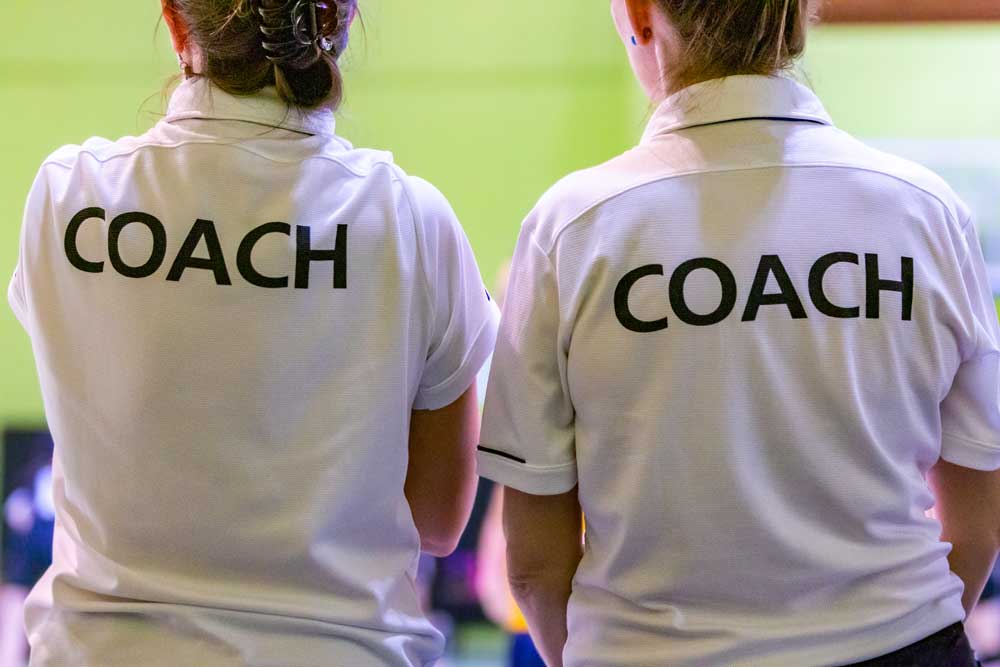
Coaching is one of the most influential positions in an athlete's career. Yet India's shortage of women coaches is now significant enough to have become an institutional concern. In November 2025, the Sports Authority of India announced a recruitment drive for more than 320 assistant-coach positions across more than 25 disciplines, with over 50 per cent of the posts reserved for women. The Ministry explicitly linked the move to addressing the shortage of women coaches and creating a safer sporting environment for female athletes.
Sports Science And Women's Bodies
The female sporting body has historically been under-researched and under-discussed. Menstrual health, energy availability, bone health, pregnancy, postpartum recovery and pelvic health can all impact athletic performance. But these subjects are still uncomfortable territory in training environments. Simply Sport Foundation's work on women's health in sport has highlighted inadequate knowledge among athletes and coaches around menstruation and its relationship to performance. Its research reported that athletes could be reluctant to take time off during menstruation because rest was sometimes perceived as weakness. This is where the sports physiotherapist, nutritionist, doctor and psychologist are more than auxiliary personnel, becoming part of injury prevention and performance optimisation.
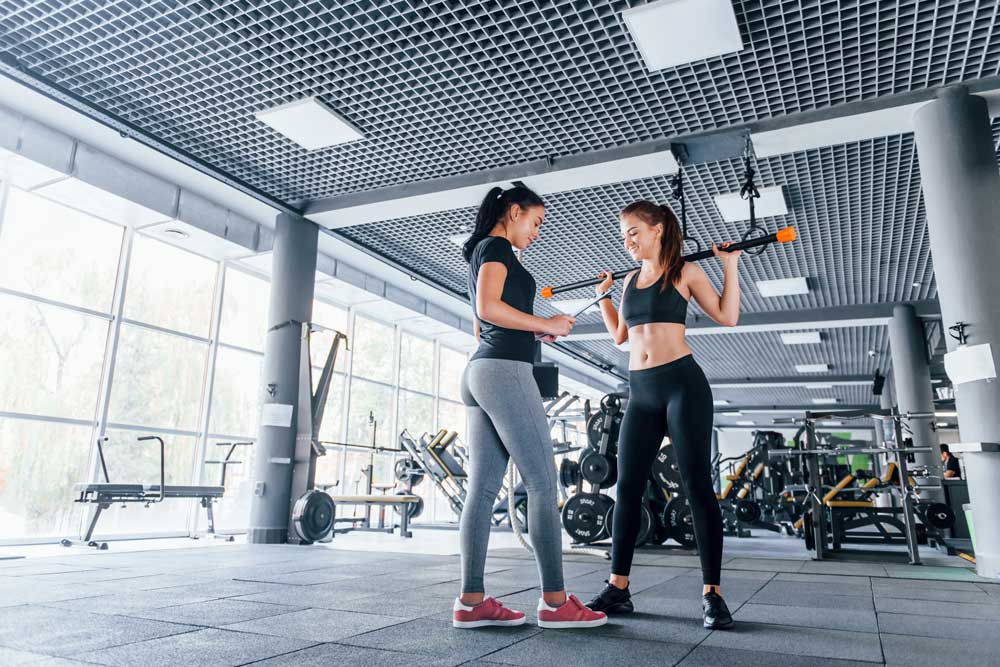
A physiotherapist can identify movement patterns that place an athlete at risk while a nutritionist can monitor whether an athlete is fuelling adequately for her training load and a psychologist can work on performance anxiety, concentration and recovery from setbacks. Elite sport increasingly treats these disciplines as interconnected and India's sporting system needs the workforce to match that science. Simply Sport Foundation now describes its grassroots work as incorporating strength and conditioning, nutrition and sports psychology, while its women's-health programmes have reached thousands of athletes and coaches.
The old image of athletic nutrition is simple - to eat well, train hard, perform. In reality, nutrition planning can involve energy expenditure, protein requirements, carbohydrate availability, hydration, recovery, travel and competition schedules. For female athletes, inadequate energy availability can have consequences extending well beyond performance and weight. The same applies to mental health. Sport can look intensely physical from the outside, but anyone who has watched an athlete miss a crucial shot, lose a lead or return after an injury knows that the mind can be the decisive arena. Sports psychologists work with athletes on focus, motivation, pressure and recovery from setbacks. Learning how to manage pre-competition anxiety or rebuilding confidence after injury can determine whether an athlete is capable of performing when the stakes are highest.
Representation In Visible Roles
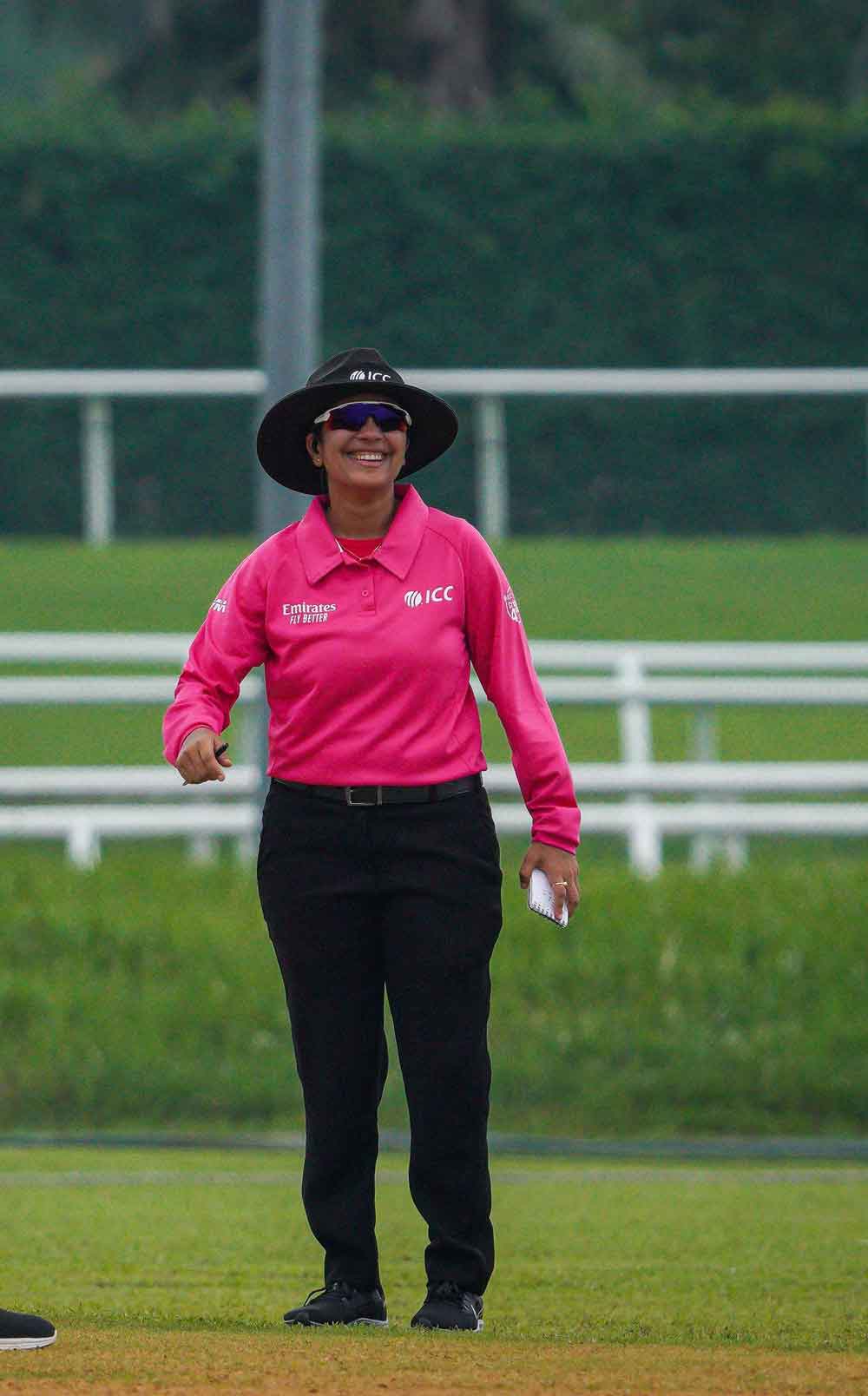
Women also need representation in positions where sporting decisions are made such as umpires, referees and technical officials. Cricket umpires such as Vrinda Rathi and Janani Narayanan have become recognisable names in Indian cricket's officiating landscape, representing a gradual widening of opportunities for women in a role traditionally dominated by men. But India still faces a shortage of women in officiating roles. A Ministry of Youth Affairs and Sports response to Parliament had previously identified limited availability of women pursuing umpiring as a career, alongside inadequate training facilities, as contributing factors to the shortage.
Behind every tournament is also an extraordinary amount of administration that involves travel, accreditation, equipment, contracts, hotels, visas, training schedules, sponsorship obligations, and media requests. A sports manager may spend weeks solving these problems ensuring that a well-oiled system is in place.
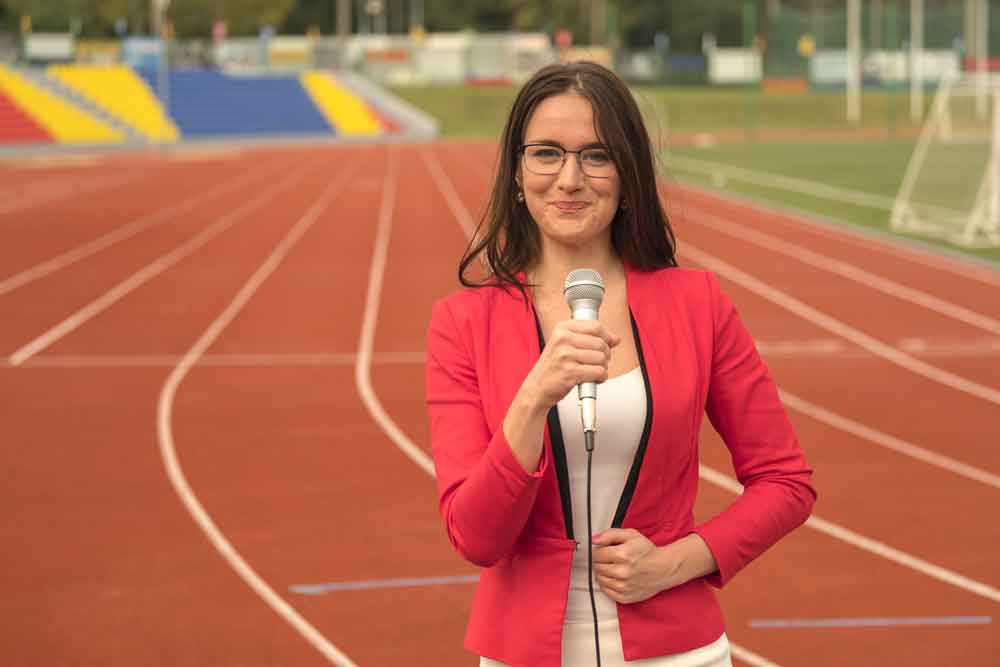
Sports photographers, reporters, editors, commentators, producers, presenters and digital journalists determine which athletes can become household names. Research into the broadcast of women's sport in India found that 44 per cent of respondents said they rarely watched women's sports, while more than 89 per cent believed women's sport did not receive sufficient coverage. The study, based on more than 70 questionnaire responses, examined public perceptions of women's sports broadcasting in India. A women's tournament is not merely a smaller version of men's sport and it needs storytellers who understand that. Less coverage can mean less visibility, which in turn leads to less commercial attention and fewer resources. This can make it harder for athletes and sporting organisations to build the audiences that broadcasters want. Breaking that cycle requires women inside the rooms where coverage decisions are made. Who is behind the camera can also determine which moment becomes iconic. Women sports journalists and broadcasters have had to establish credibility in spaces where they were once treated as outsiders, but their presence matters because representation changes the stories that get told.
This National Sports Day, let’s pause and think of the women who may not receive medals or trend on social media, but are behind every female athlete’s sporting success. Perhaps the most meaningful way to celebrate them is to widen the frame beyond the podium, and acknowledge their contributions.