By the time the sun climbs over the sugarcane fields of Tamil Nadu on Pongal day, the first pot of Pongal is already boiling in most homes. Once the milk rises, the rice bubbles and jaggery melts into syrup, with cries of ‘Pongalo Pongal!’ It is a day of abundance and gratitude, repeated in different forms across India. It is celebrated as Makar Sankranti in Maharashtra, Karnataka, Telengana and Andhra Pradesh, Magh Bihu in Assam, Uttarayan in parts of north India, Lohri in Punjab, and Poush Sankranti in Bengal. But behind the sweet rice, sesame laddoos, sugarcane sticks and flying kites is a quiet labour that belongs to women.
The Invisible Harvest
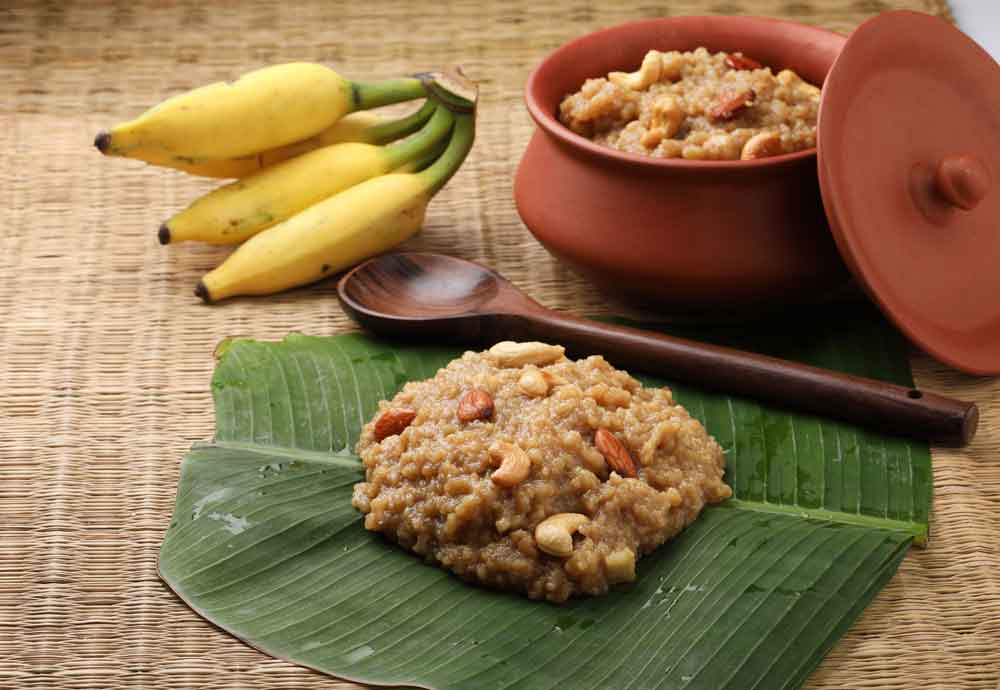
In Tamil Nadu, most women wake before dawn on the day of Pongal, wash the front yard, draw a kolam, and bring out the brass pot reserved specifically for this occasion. Inside it goes freshly harvested rice, split green gram, jaggery, ghee and cardamom. This is not just cooking, but also seed selection, preservation of rituals, and the passing down of ecological knowledge. The rice used is a local variety that needs less water. The grain holds its shape. This passing down of heritage recipes is critical in a time of climate change and vanishing biodiversity.
Across India, women are custodians of indigenous grains such as little millet, foxtail millet, red rice, and black sesame. These foods are not just culturally significant, but rich in fibre, minerals and protein, and far more climate-resilient than water-guzzling hybrids. It is tempting to see all this as sentimental, but indigenous grains require less water, fewer chemical inputs, and withstand erratic weather better than commercial varieties. Traditional recipes are built around seasonal eating and nutritional balance. When women preserve these foods during harvest festivals, they are safeguarding food security.
When The Kites Go Up
In Ahmedabad, the harvest festival is synonymous with the sky. Terraces fill with people shouting ‘Kai po che!’ as brightly coloured kites battle for dominance. Yet for many women, especially in traditional households, the festival still means hours in the kitchen, rather than freedom flying kites. Men and boys are on the terrace from morning to evening, but women fry undhiyu, make chikki, and roll pooris.
This pattern of festival joy is often divided by gender. Women ensure that the celebration exists, but don’t always get to fully immerse themselves in the fun aspects.
Archiving The Kitchen
In rural homes, women spend weeks leading up to the festival preparing. They clean grain, sun-dry seeds, and set aside a portion of the harvest for the coming year. This practice of seed saving, once widespread, is now endangered by commercial hybrids and market dependency. In Telangana’s Medak district, a women’s collective called Deccan Development Society has been quietly resisting that trend for decades. Dalit women farmers grow, exchange and preserve over 80 varieties of traditional seeds. During Sankranti, they cook dishes using these grains such as jowar, bajra, and korra, serving them at community meals. They believe that if they lose their seeds, they lose their independence. Their millet-based Sankranti khichdi is not just delicious, it is also deeply nutritious, helping combat anaemia and diabetes that plague many rural and urban households alike.
A 2021 report by the Indian Council of Agricultural Research noted that millet-based diets could significantly reduce lifestyle diseases while also supporting dryland farmers. Yet it is women, often unpaid and unrecognised, who keep these grains in circulation by cooking them in ways families actually want to eat.
Urban Kitchens
In India’s cities, harvest festivals have had to adapt to space constraints and changing lifestyles. There may be no courtyard for boiling grain under the open sky and no fields to harvest. But women continue to find ways to keep the meaning alive, even by cooking in their pressure cookers. They use the same recipes and source similar ingredients. For these women, it is less about ritual and more about continuity. In many nuclear families, cooking for festivals is now a more equitable process, with men and children chipping in. But the emotional labour of remembering recipes and customs still often falls on women. They are the ones who know that sesame must be roasted just right, and that the first serving goes to the sun.