Every August, we celebrate India’s freedom with flags, songs and speeches about the people who fought for it. But independence is also something that we enjoy every single day and India keeps moving because millions of women make sure that it does.
Take for instance the woman who wakes before dawn to tend to a village’s health needs, the nurse who works a night shift in the city and the fisherwoman who heads out for inland fishing so a family can eat. These women rarely make headlines and are not always celebrated. Their work may not come with a corner office or an award. However, their labour is necessary for the ordinary functioning of the country. This Independence Day, it is time to recognise the women who keep India going.
The First Line Of Care
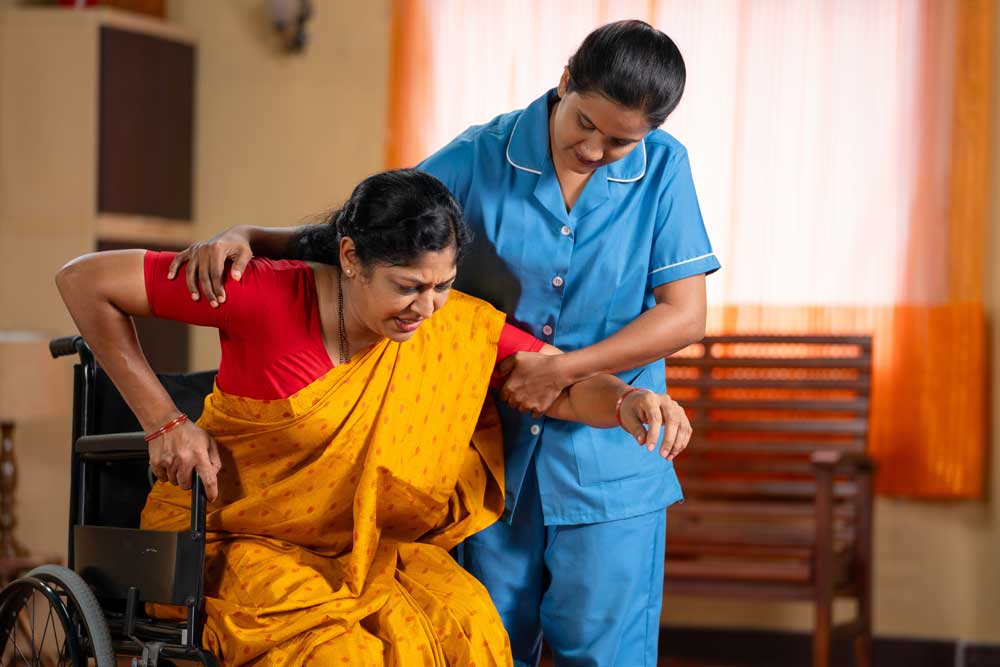
Across India, ASHA workers and Anganwadi workers are among the most important links between communities and the public health system. They accompany pregnant women, encourage vaccinations, monitor children, spread awareness about nutrition and health, and often become the first person a family turns to when something goes wrong. Their workplace could be anything from a village lane to a cramped home or a community centre. They use simple tools such as a register, a phone or a weighing scale.
Doctors and nurses carry a nation through its most vulnerable moments. In government hospitals, private clinics, emergency rooms, maternity wards and intensive-care units, women healthcare workers put in long hours caring for strangers. They work through festivals, nights and emergencies, often while managing families and responsibilities of their own. This is an act of public service.
The Women Who Make Cities Liveable
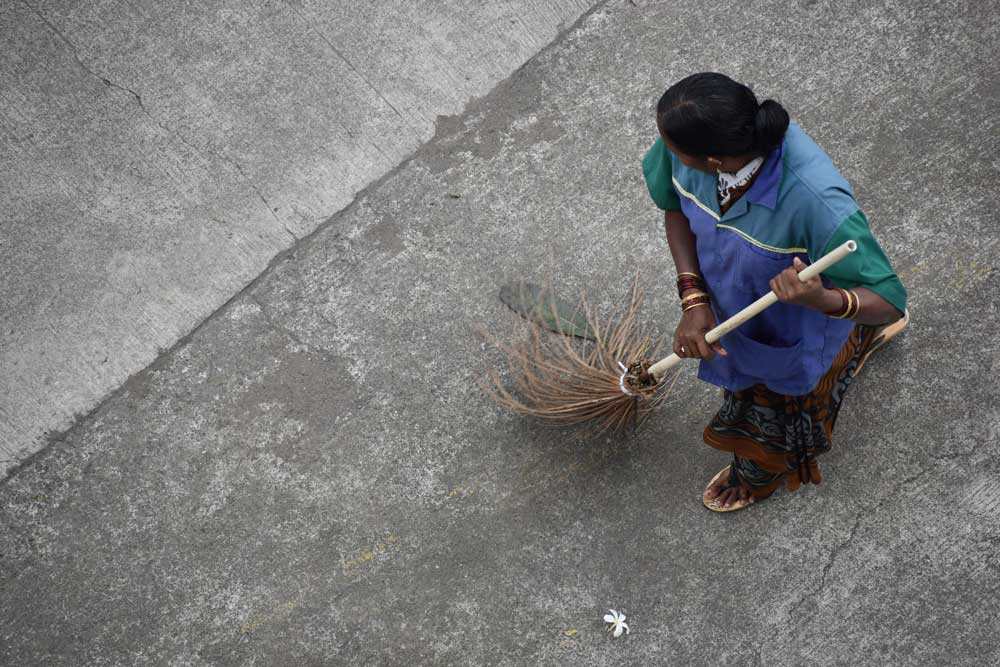
Before most of us step onto a freshly swept street, women sanitation workers perform some of the country’s most essential and least recognised labour. They clean streets, public spaces and institutions, handle waste and help keep communities healthier. The same is true of women who work in water and waste management, municipal services and public utilities. They may not be visible when everything works, but we definitely notice them when it doesn't.
Then there are the women who help us on-the-go. At airports and railway stations, women work as ground staff, security personnel, customer-service executives, baggage and operations staff, technicians and managers. They help people navigate crowded terminals, delays, emergencies and endless queues.
Courage In Uniform
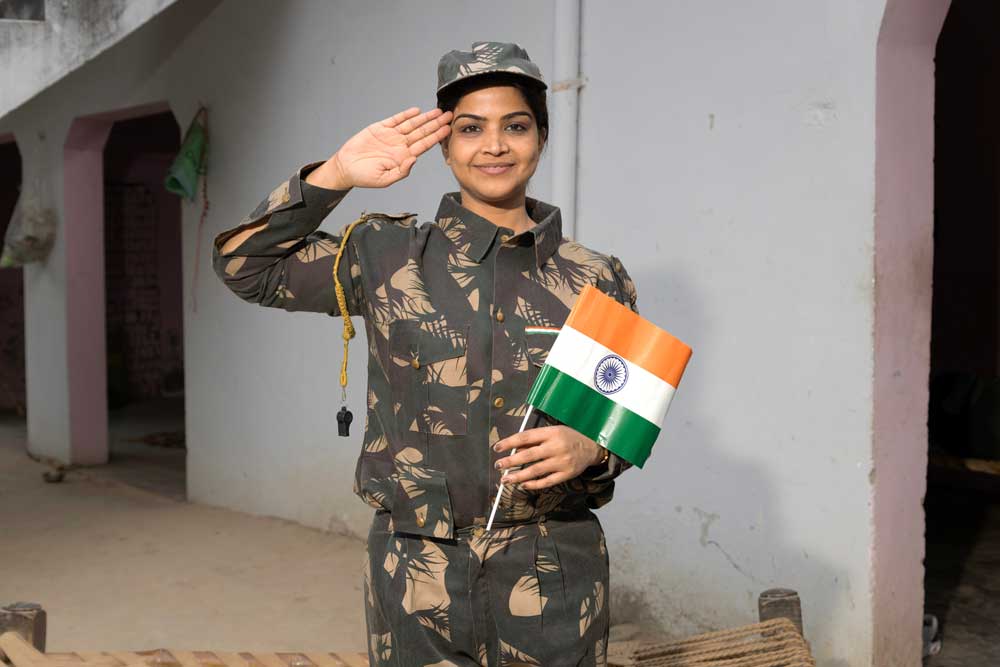
Women police officers are usually walking into situations from which everyone else is walking away. They investigate crimes, manage traffic, respond to emergencies, protect vulnerable people, patrol neighbourhoods and work to maintain public order. Women officers have also become increasingly important in addressing crimes and complaints involving women and children.
Even when floods, cyclones, earthquakes, landslides or other disasters strike, women are there to help. Those in disaster-response teams, the armed forces, civil defence, fire services, emergency medicine and relief organisations help rescue, evacuate, treat and rebuild. Their contribution is particularly significant because disasters affect women, children and vulnerable communities in complex ways. Having women on the ground can make relief more accessible and responsive.
Economy Begins At Home
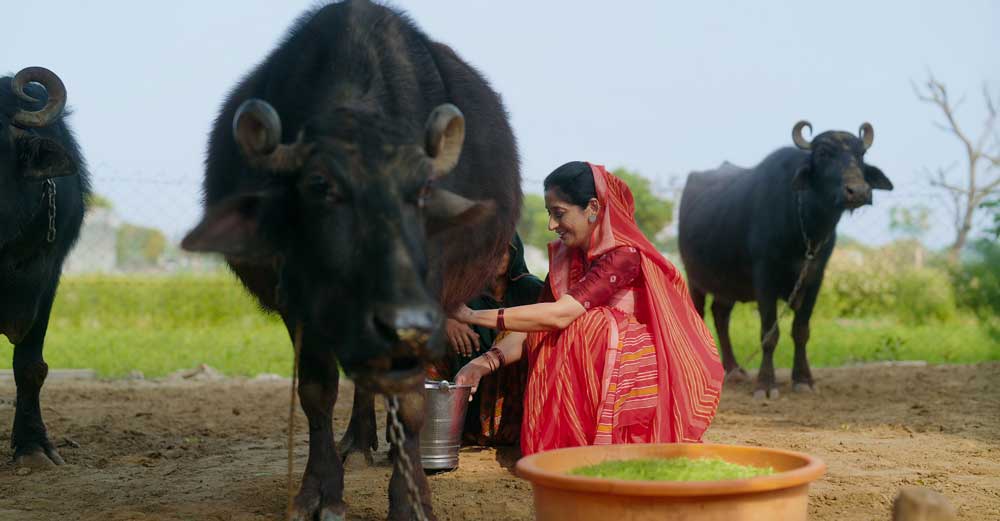
In India’s villages and small towns, women are keeping local economies alive. Fisherwomen are sorting the morning catch, negotiating at the market or processing fish for sale. Other women work in dairy cooperatives, collecting milk, managing accounts, caring for cattle and helping households earn a steady income. Then there are women farmers who are planting, harvesting, tending livestock, processing food and preserving seeds. Consider women running small shops, tailoring businesses, food enterprises and self-help groups, who turn local knowledge, craft and skill into livelihoods, actually becoming the driving force behind the country’s informal economy. Their work is economic activity, even when it is described simply as ‘helping the family.’ Across India, women-led self-help groups have shown what happens when women gain access to credit, collective organisation and markets. This, too, is nation-building.
Keeping Communities Fed, Informed And Welcomed

In cities, towns and villages, women run community kitchens, prepare meals for schools, hospitals and workplaces, and cook for neighbourhoods during festivals and emergencies. Food is among the most basic forms of infrastructure. Women are also behind the scenes of the information we consume. News producers, editors, researchers, camera operators, reporters, translators, fact-checkers and digital journalists work long hours to bring stories to the public. Their work matters because a democracy depends on citizens having access to information. The women in hospitality (chefs, servers, housekeeping staff, front-desk executives, event managers and hotel workers) help sustain India's enormous travel and tourism economy. They welcome visitors, care for guests and often work when the rest of us are celebrating.
There are countless others such as women bus and train staff, pilots and air-traffic professionals, teachers, scientists, engineers, factory workers, pharmacists, lawyers, entrepreneurs, construction workers, delivery workers, artists, researchers, forest guards, postal workers, bank employees and domestic workers. This Independence Day, let us look beyond the familiar roll call of heroes and salute those whose efforts carry India forward.