By dawn, before the fields glow gold and the villages stir awake, millions of Indian women are already at work. They milk cattle, prepare seedbeds, collect fodder, cook meals, and plan the day’s labour. They transplant rice seedlings bent knee-deep in water, manage goats and poultry, save seeds, barter produce, and keep household food security intact. All of this is done without recognition, ownership, or the formal title of ‘farmers’.
In 2026, the world will finally pause to acknowledge these hands that feed us. The Food and Agriculture Organization of the United Nations (FAO) has declared The International Year of the Woman Farmer 2026, a global initiative to recognise women’s indispensable yet often overlooked contributions to agrifood systems. The initiative will also aim to close persistent gender gaps in land, credit, technology, and decision-making. For India, this declaration has arrived at a critical moment.
Invisible Farmers, Visible Work
Globally, women make up more than a third of the agricultural workforce. In India, they account for nearly 70 per cent of rural agricultural labour. Women sow, weed, harvest, store, process, and market food. They manage livestock, fisheries, kitchen gardens, and forest produce. Yet, fewer than 15 per cent of Indian women engaged in agriculture own land in their own name.
Land ownership determines access to institutional credit, crop insurance, government schemes, and even membership in farmers’ collectives. Without land titles, women are often classified as ‘helpers’ or worse, ‘family labour’, despite being primary cultivators.
Women-Led Transformative Initiatives
In Maharashtra and Andhra Pradesh, women-led biofertiliser and biopesticide enterprises are reducing farmers’ dependence on chemical inputs. These women, often from self-help groups and produce microbial cultures using local materials, lowering costs and restoring soil health. What began as livelihood activities have evolved into climate-smart solutions.
In Odisha, Chhattisgarh, and parts of the Northeast, community seed banks run by women safeguard indigenous crop diversity. These banks preserve drought-resistant millets, flood-tolerant rice varieties, and medicinal plants, which are often ignored by commercial markets.
In the Deccan plateau, women farmers are reviving heritage seeds passed down through generations such as sorghum, pulses and oilseeds that are adapted to low rainfall. These seeds require less water and care, while providing higher nutritional value. By protecting them, women are also protecting food sovereignty.
Then there are soil restoration collectives, where women lead composting, mulching, and natural farming practices. In regions with erratic monsoons, these collectives have helped regenerate land and also improve household nutrition and incomes.
Climate Crisis Has A Gender
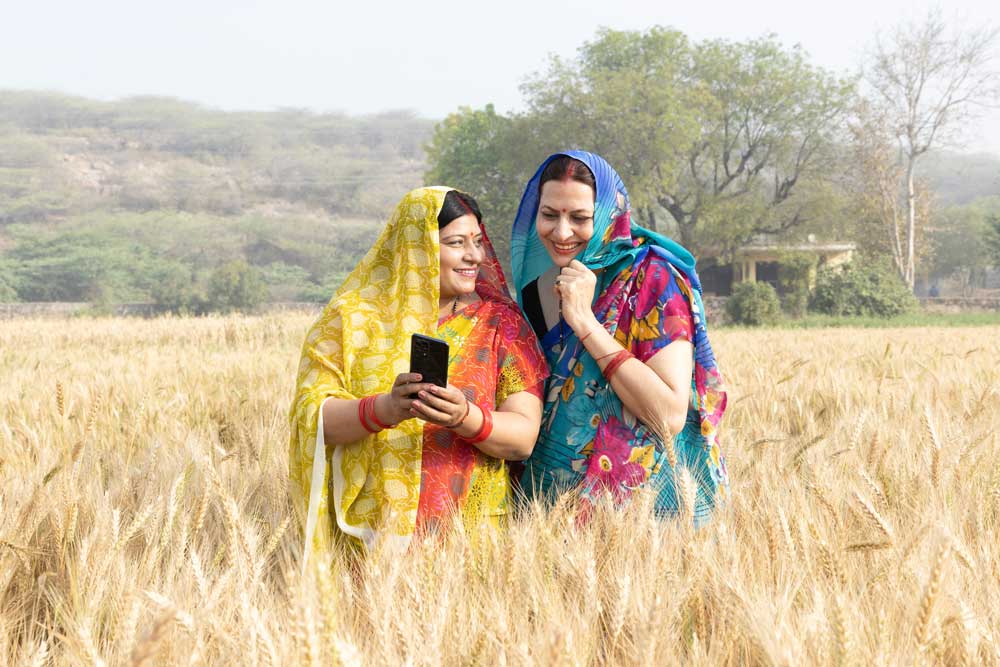
Climate change does not affect all farmers equally. Women often farm smaller plots, rely more on rain-fed agriculture, and have limited access to irrigation, technology, or climate information. When crops fail, women absorb the shock by eating last, working longer, or migrating seasonally for labour. Yet women are also among the strongest agents of climate adaptation. Research shows that when women have equal access to resources, farm yields can increase significantly and hunger can reduce. FAO estimates that closing the gender gap in agriculture could lift millions out of food insecurity globally.
One of the most powerful engines of change has been women’s collectives such as self-help groups, producer companies, seed networks, and cooperatives. These spaces provide income along with confidence and solidarity. In many villages, women’s groups have become informal climate observatories, tracking rainfall changes, pest patterns, and soil health. They share knowledge horizontally from farmer to farmer, often more effectively than top-down models. As FAO’s initiative gains momentum, these collectives could become crucial partners in shaping policies that reflect ground realities.
The Policy Changes We Need
The International Year of the Woman Farmer 2026 is not meant to be symbolic alone. FAO’s campaign calls for concrete action to secure land rights, access to finance and technology, representation in farmer organisations, and recognition in national data and policy frameworks.
For India, this means joint land titles for spouses, something a few states have begun experimenting with, but which needs national momentum. It also means redefining who qualifies as a farmer in official records, so women can access credit, insurance, and disaster relief. Policies have to invest in women-centric services, with training delivered at times and locations that work for women, in languages they speak, addressing crops and livestock they actually manage. Women’s voices must be heard in decision-making, from village councils to agricultural boards.
The story of the woman farmer is deeply personal for every Indian woman. It connects to what we eat, how nutritious our food is, how resilient our communities are, and how we respond to climate uncertainty. It also challenges long-held ideas about labour, value, and leadership. Recognising women as farmers is about dignity as much as development.
As India prepares for the International Year of the Woman Farmer, here is an opportunity to ensure that the women who plant seeds are recognised not as help, but as the farmers they have always been.