The diaper bag was packed. The bottles were sterilised. His wife was finally getting a chance to pamper herself at the salon.
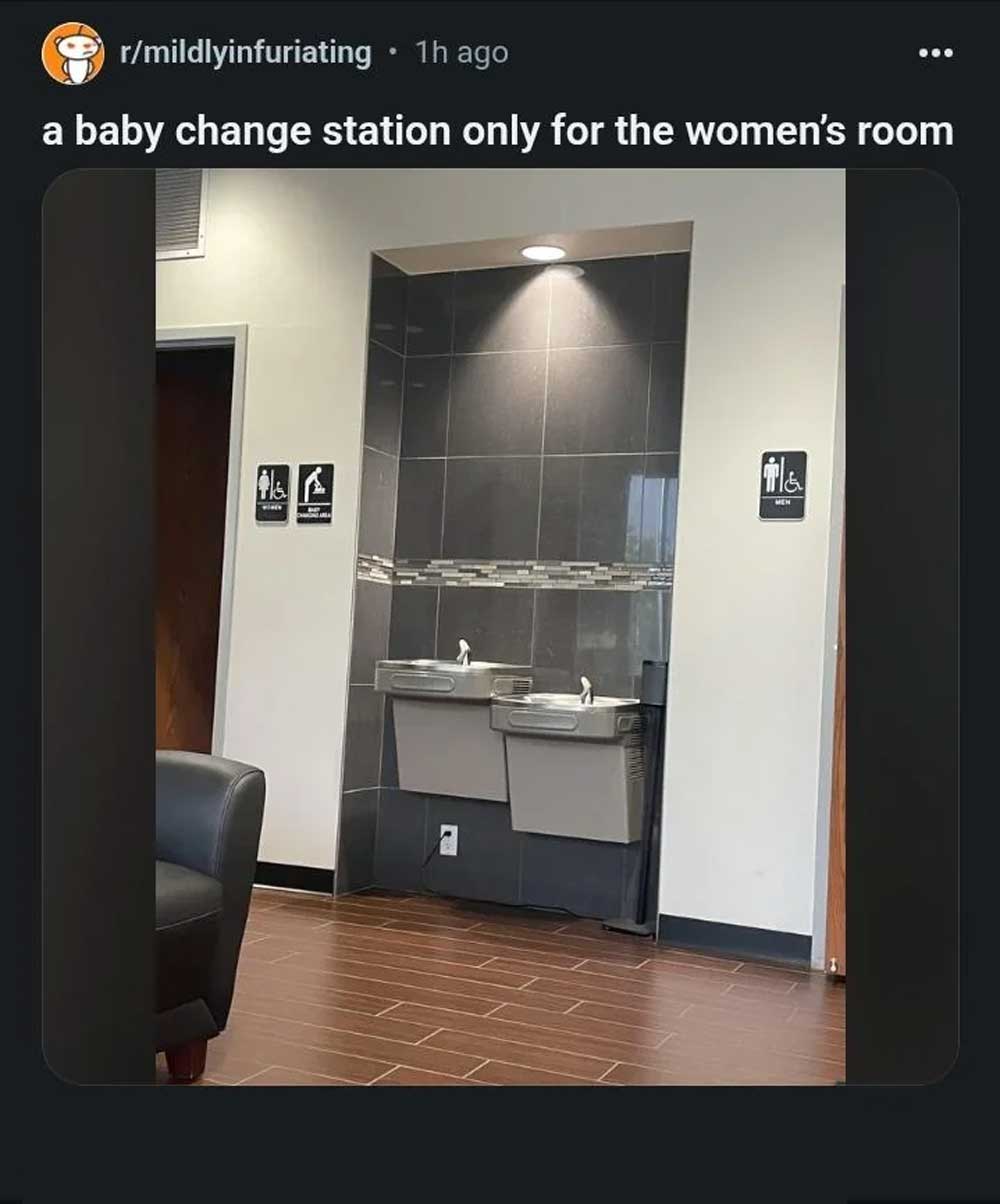
So when his seven-month-old daughter needed a diaper change during a trip to the mall, 27-year-old Mumbai resident Adhiroop Das Gupta thought it would be simple enough. Instead, he found himself standing outside the women's washroom. 'The changing station was inside,' he says. 'I remember thinking, what exactly am I supposed to do now?'
After a few awkward minutes, he approached a female staff member for help. 'I ended up handing my daughter over to someone else to change her. It felt strange because I was right there and fully capable of doing it myself.'
It's a small moment, perhaps, but one that many fathers know all too well. Ahead of Father's Day, conversations around parenting have shifted. The debate is no longer about whether fathers want to be involved. Increasingly, they do. The question is whether public spaces have kept pace with that change. Because for many parents, equal parenting often stops at the entrance of the restroom.
When Infrastructure Makes Mothers The Default Parent
Thirty-two-year-old marketing professional Neha Vijaykumar has seen it happen countless times.
Her husband is an involved father and willingly shares childcare responsibilities. Yet every time their toddler needs a diaper change while they're out, she instinctively takes over.
'It's not even a discussion anymore,' she says. 'I know I'll be the one doing it because the facilities are usually inside the ladies' washroom.' She adds, 'People often talk about mothers becoming the default parent. But I don't think we talk enough about how public spaces contribute to that.'
These seemingly minor inconveniences add up. Over time, they quietly reinforce old assumptions about who is expected to step in when a child needs care.
'I Never Felt Like The Space Was Designed For Parents Like Me'
For 34-year-old Bengaluru-based entrepreneur Rohan Shroff, the challenges of parenting on the go feel very familiar. His daughter is now eleven, but he still remembers navigating airports and malls with her as a toddler. 'My wife is a doctor and worked shifts, so I often travelled alone with our daughter,' he says. 'The stressful part wasn't caring for her. It was figuring out where I could care for her.' He recalls one delayed flight in particular. 'She needed a diaper change and was getting cranky. I remember walking around the airport trying to find a suitable space. At no point did I feel like the infrastructure had considered fathers travelling alone with young children.'
What stayed with him wasn't inconvenience as much as exclusion. 'There was this underlying message that I wasn't expected to be there doing this.'
The Problem Doesn't End With Infancy
Parents say the lack of family-friendly infrastructure continues long after children are out of diapers.
Thirty-eight-year-old teacher Krupa Vora remembers feeling increasingly uncomfortable when her son grew older. 'There comes an age where taking your son into the ladies' washroom starts feeling awkward,' she says. 'But what are your options if you're travelling alone with him?'
Mumbai-based banker Adithi Verma has encountered similar situations. 'My son is old enough now that I hesitate to take him into the ladies' washroom, especially in crowded places. At the same time, I'm not comfortable sending him into the men's washroom alone.'
Families Have Changed. Infrastructure Hasn't.
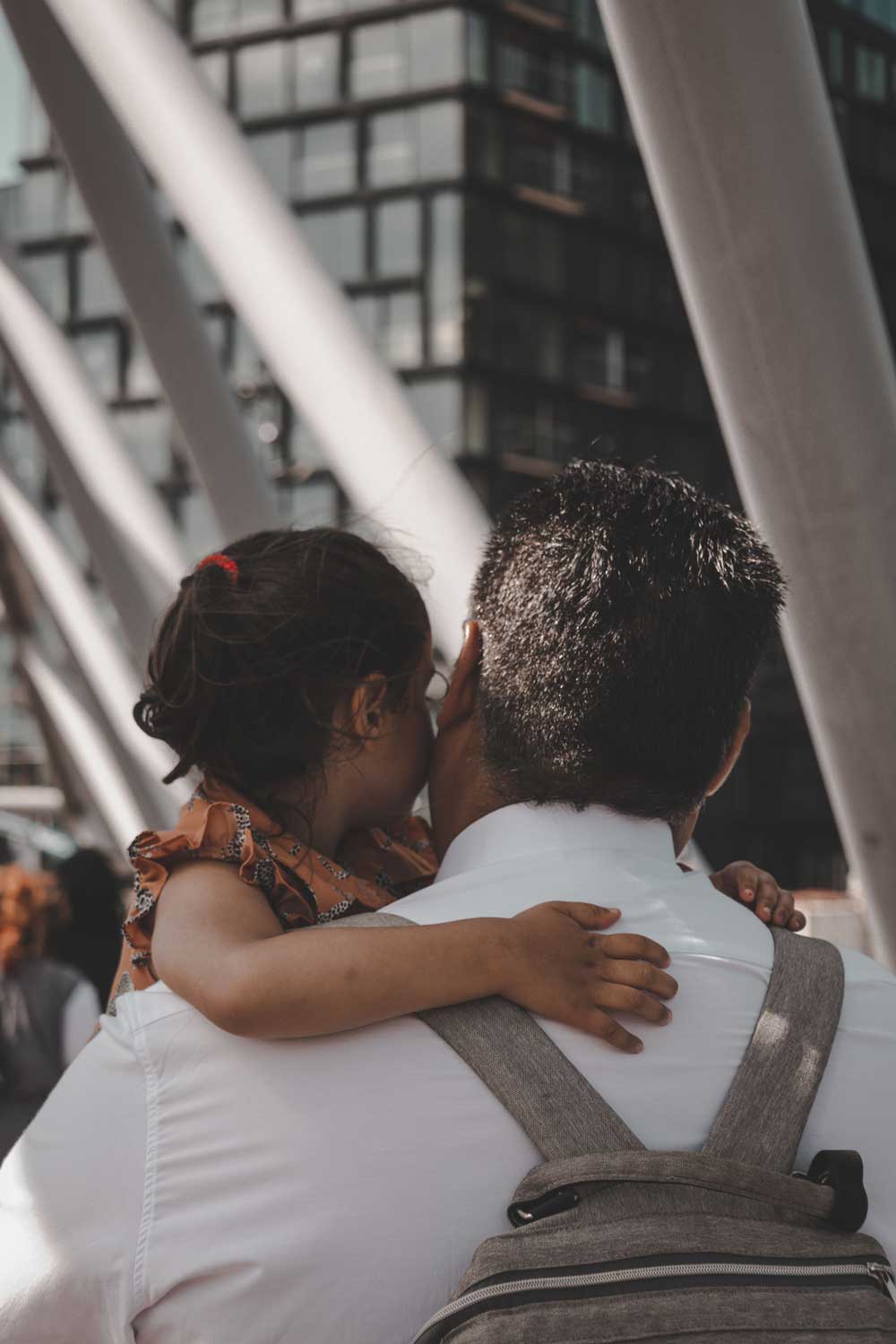
Findings from the Longitudinal Ageing Study in India (LASI) and related ageing research indicate that caregiving arrangements are changing in urban India, with greater emphasis on spousal care, independent living, and supplementary market-based services alongside traditional family support. More fathers are taking an active role in everyday childcare, from school drop-offs and bedtime routines to feeding and solo outings with their children. At the same time, time-use studies continue to show that women spend significantly more time on childcare than men.
Frameworks such as the WHO’s Age-friendly Cities initiative highlight how infrastructure directly shapes the lived realities of ageing populations. Public spaces don't simply accommodate behaviour. They also send signals about who belongs where.
The impact goes beyond heterosexual couples. Single fathers, widowers, grandparents and adoptive parents often find themselves navigating spaces that were designed around one assumption: that mothers perform most of the caregiving.
What Parents Actually Want
Interestingly, none of the parents we spoke to asked for elaborate facilities. They wanted practical solutions.
Adhiroop wishes malls and restaurants would install changing stations that can be accessed by everyone. 'I don't need special treatment,' he says. 'I just want to be able to change my child without asking someone else for permission or help.'
Neha wants family rooms that acknowledge caregiving as a shared responsibility. 'Make one space that parents can use regardless of gender. It's really that simple.'
For Rohan, airports and transit hubs should lead the way. 'Travel can already be overwhelming with a toddler. The last thing parents should be worrying about is whether they'll find somewhere to change or feed their child.'
Krupa and Adithi would like to see more family washrooms that work for parents with older children too. 'Parenting doesn't become straightforward after the diaper years,' says Aditi. 'Children still need help, supervision and support.'

In many countries, gender-neutral baby-care rooms and family restrooms are increasingly common because they recognise a simple truth: children are cared for by many different kinds of families.
Perhaps that's the real conversation this Father's Day. Modern fathers aren't asking for applause for changing diapers or taking their children out alone. Mothers aren't asking to be relieved of responsibility altogether.
Parents are asking for something much simpler.
They want public spaces that finally reflect the way families actually live.