On February 14, 2026, Bengaluru unveiled a bold new mobility initiative that resonates far beyond Valentine’s Day heart-shaped chocolates and roses. It was the launch of Sakhi, an auto-rickshaw service driven by women, for women. A first of its kind in the city, this service is poised to redefine how women move through urban spaces.

For too long, women’s mobility in Indian cities has been shadowed by anxiety about safety and reliability. This is especially true with late-night rides, which often feel like a logistical challenge rather than a basic freedom. Sakhi now changes that narrative for women in Bengaluru.
The gender-exclusive service is structured to create a travel environment rooted in mutual trust. Only women drivers operate the vehicles, and only women passengers are served. Unlike traditional auto rickshaws where passengers are randomly matched with drivers, Sakhi provides a dedicated space where women don’t have to second-guess safety or negotiate fares.
Smart, Affordable Mobility

Accessibility here is about safety, but also about fairness and simplicity. Sakhi fares have been set deliberately with transparency and affordability in mind. The pricing is ₹50 for the first 2 kms and ₹20 per km thereafter. This is competitive with regular auto-rickshaw rates in the city, and importantly, there is no surge pricing during rush hours or adverse weather, a common frustration with app-based transport services.
The service operates from 6am to midnight, with the potential for future expansion depending on demand. Booking is designed to be user-friendly and accessible, using a simple WhatsApp number or web platform.
Driving Economic Change

What makes Sakhi more than a transport service is its dual focus on women’s economic empowerment. In a city where auto-rickshaw driving has traditionally been male-dominated, this initiative opens doors for women to take the wheel as earners and entrepreneurs. Initial recruitment has seen dozens of women between ages 21 and 40 trained not just in driving skills but also in communication and customer engagement. These are key elements of quality service that go beyond mere navigation. Earnings are retained entirely by the drivers in the early phase, offering a strong foundation for financial independence. Women drivers in a traditionally male profession also help shift stereotypes and broaden societal perceptions about gender roles. The message is clear. Women belong behind the wheel as well as in public life.
Reducing Everyday Anxiety
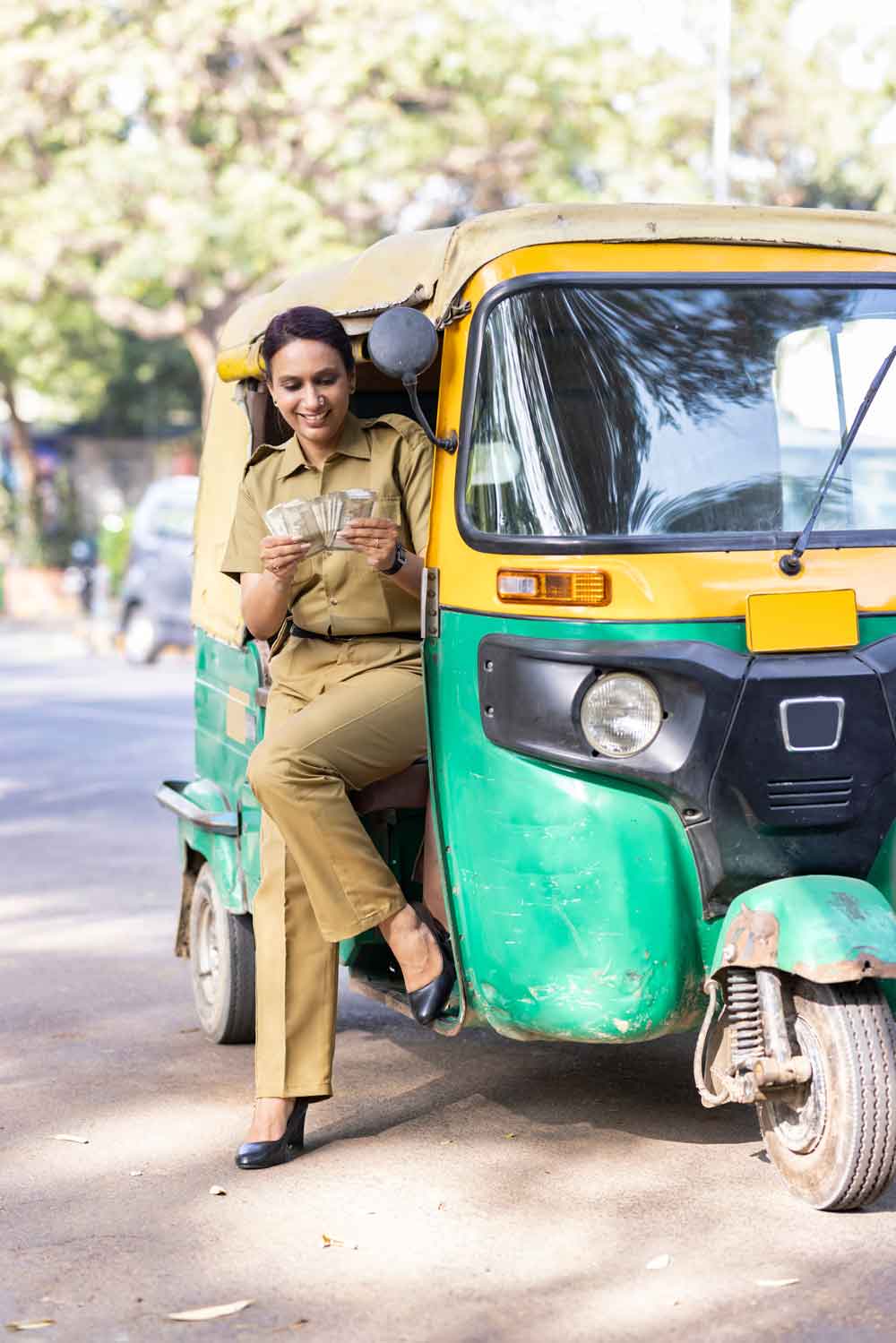
Women often factor in layers of caution into routine travel. They check routes constantly and share live locations with family members. Sakhi eliminates much of that stress by default, creating a predictably safe journey framework. This is directly linked to economic participation. When women feel safe travelling, they are more likely to pursue jobs farther from home, attend educational opportunities, or engage in social activities previously considered inconvenient.
The initiative makes it clear that urban transport should be inclusive by design. This is not a luxury, but a necessity in a modern, equitable city. There is plenty of potential for future growth including 24/7 services, responding to women’s mobility needs at all hours, app-based booking features, adding live tracking and digital convenience, and expansion to other Indian cities where similar gaps in women’s mobility remain unaddressed.