The heat that makes your home unbearable during summer usually enters through the roof, walls, windows, and even doors. When the temperature outside rises, the sun’s rays can penetrate your home, causing indoor temperatures to spike. Poor insulation makes this problem worse by allowing heat to seep in or cool air to escape. Insulating your home effectively and using the right strategies can help to regulate indoor temperatures, making it more comfortable without needing air conditioning. In this blog, we’ll explore how to cool a room without AC and share tips to help you keep your house cool throughout the summer months.
1. How to Cool Room Without AC: Add a Window Film
How to cool a room without air conditioning? A window film is an easy solution. By installing heat-reflective window films, you can significantly reduce the amount of heat entering your room. These films block the UV rays that cause the interior of your house to heat up while still allowing natural light in. This is one of the best ways to cool a room without AC, especially in rooms that receive a lot of direct sunlight. Not only will the film help cool your space, but it can also improve privacy without blocking your view.
2. How to Cool Room Without AC: Keep the Stove Turned Off
When temperatures rise, you don’t want to add to the heat by cooking indoors. Stoves, ovens, and even toasters can release a lot of heat into your living space. To keep the room cool in summer, try to limit cooking during the hottest parts of the day. Opt for meals that require no cooking or use appliances like slow cookers, which don’t heat up the entire kitchen. By reducing indoor heat sources, you can cool a room without air conditioning.
3. How to Cool Room Without AC: Turn Off (and Unplug) Unnecessary Appliances
Did you know that your household appliances can generate heat even when they're not in use? Items like computers, televisions, and lights can produce significant warmth in a room. To cool a room without air conditioning, turn off and unplug devices when you’re not using them. This simple step prevents unnecessary heat buildup and reduces the workload on any fans or coolers you may be using.
4. How to Cool Room Without AC: Add Some Shade Outside Your Home
Creating shade outside your home can be just as effective as adjusting the interior to cool the home without air conditioning. Planting trees or installing awnings, pergolas, or outdoor shades can prevent the sun from hitting the walls and windows directly. This keeps your living space cooler without the need for AC. A natural shade solution is not only eco-friendly but also adds aesthetic value to your home.
5. How to Cool Room Without AC: Close the Doors to Unused Rooms
One of the most effective ways to cool a room without air conditioning is to limit the space you’re trying to cool. By closing the doors to unused rooms, you reduce the volume of air that needs to be cooled, making it easier to maintain a comfortable temperature in the rooms you do use. This is especially useful if you're trying to keep the living room, bedroom, or home office cooler while the rest of the house remains warmer.
6. How to Cool Room Without AC: Close Gaps Around Your Doors and Windows
Even small gaps around your windows and doors can let hot air into your home, increasing the need for cooling. Use weatherstripping to seal gaps and cracks to keep your home cool during summer. This prevents warm air from entering and keeps cool air inside, making it one of the easiest and most effective ways to cool a room without air conditioning.
7. How to Cool Room Without AC: Use LED Light Bulbs
Traditional incandescent light bulbs can generate significant heat. By switching to LED light bulbs, you can keep your room cool in summer and lower your energy bills. LEDs emit little heat and use far less energy, making them a great option for those looking to cool a room without air conditioning. The longer the lights are on, the greater the impact on your cooling needs, so switching to energy-efficient lighting is a win-win.
8. How to Cool Room Without AC: Use a Dehumidifier
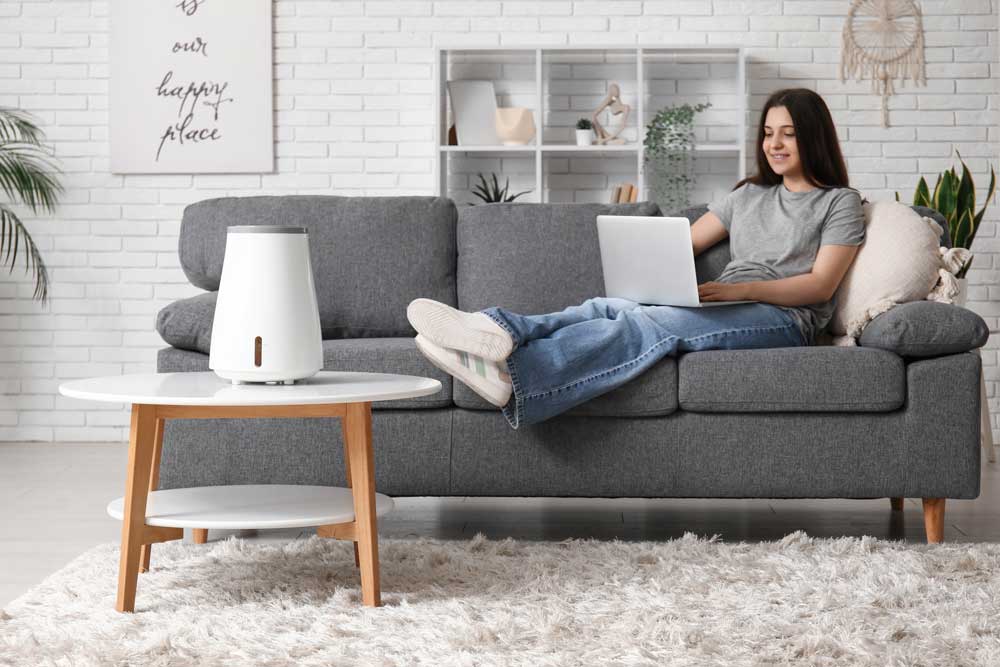
High humidity levels can make a room feel warmer than it actually is. To cool a room without air conditioning, consider using a dehumidifier. By removing excess moisture from the air, you’ll make your living space feel cooler and more comfortable. This is especially effective during hot, sticky summer days, when the air feels dense and oppressive. A dehumidifier can help restore the natural cooling effect of your sweat, keeping you comfortable without the need for AC.
9. How to Cool Room Without AC: Create a Cooling Cross Breeze
A cooling cross breeze is one of the most natural ways to lower indoor temperatures. To create this breeze, open windows on opposite sides of your home to allow for air to flow freely through. You can enhance the effect by using fans strategically to push the hot air out and draw cooler air in. This is a great way to cool a room without air conditioning and is especially effective during cooler parts of the day, such as early morning or evening.

10. How to Cool Room Without AC: Keep Your Curtains Closed During the Day
One of the simplest and most cost-effective ways to keep a room cool during summer is by keeping your curtains closed during the day, especially on windows that receive direct sunlight. Blackout curtains or thermal curtains are particularly useful in blocking out heat. By reducing the amount of sunlight that enters, you’ll significantly reduce indoor temperatures, creating a more comfortable space to relax in. This method can be paired with other strategies to further cool home without air conditioning.
Tips for Sleeping Better in the Heat
Sleeping in the heat can be difficult, but there are a few strategies you can implement to get a better night’s sleep during summer:
● Sleep with your feet uncovered: Feet are great for heat dissipation, so keeping them exposed to air can help you stay cooler.
● Use breathable bedding: Opt for lightweight cotton or linen sheets, which allow your skin to breathe.
● Sleep in loose, light clothing: Tight clothing traps heat, so choose loose-fitting, breathable fabrics.
● Cool your pulse points: Place a cold compress on your wrists, neck, or ankles before bedtime to cool down your body temperature.
● Take a cool shower before bed: A cool shower can lower your body temperature and help you relax.
By implementing these tips, you can improve your chances of getting a restful night’s sleep even in the hottest months.
Conclusion
You don’t have to rely on air conditioning to keep your room cool in the summer. With a few smart strategies, you can significantly reduce the temperature in your home while avoiding the high energy costs and environmental impact associated with AC usage. Implementing solutions like adding reflective window films, creating a cross-breeze with well-placed fans, and utilising a dehumidifier can make a noticeable difference in how comfortable your home feels during the warmer months. These methods work with the natural flow of air and minimise heat buildup, helping you create a cooler environment without the need for heavy electrical consumption. With some planning, you can enjoy a refreshing, comfortable living space without breaking the bank on cooling costs.
In addition to being cost-effective, these cooling strategies are also eco-friendly. By reducing reliance on air conditioning, you’re contributing to a reduction in your carbon footprint. Small changes like keeping curtains closed during the day, sealing gaps around doors and windows, and using energy-efficient LED lighting can have a big impact on your home's overall comfort and efficiency. These methods allow you to stay cool in a way that's not only affordable but also sustainable. Whether you’re looking for ways to cool a room without air conditioning or simply want to make your living space more energy-efficient, these tips provide practical solutions that are easy to implement, ensuring you stay comfortable and eco-conscious throughout the summer.
FAQs
How can I cool a room without AC during the hottest part of the day?
To cool a room without air conditioning during the hottest part of the day, close your windows, doors, and curtains to block out the sun. You can also use a dehumidifier or a fan to help lower the temperature.
Is using a fan effective to cool a room without AC?
Yes, fans are a great way to circulate air and create a cooling cross breeze, which can lower the temperature in a room without the need for AC.
Does adding insulation really help keep a room cool in summer?
Absolutely! Proper insulation helps keep heat out and cool air in, making your home more energy-efficient and comfortable during the summer months.
What are the best curtains for keeping my room cool?
Blackout or thermal curtains are ideal for keeping your room cool. They block out sunlight and reduce heat gain, keeping your room cooler throughout the day.