Earlier this month, World Refugee Day served as a reminder of a crisis that continues to grow in both scale and complexity. According to the latest UNHCR Global Trends 2024 report, more than 122 million people were forcibly displaced worldwide by the end of 2024, the highest number ever recorded. Nearly half of them, more than 60 million people, are women and girls. Yet these headline figures reveal only part of the story.
From the civil war in Sudan and the protracted conflicts in Afghanistan, Syria, Myanmar, and the Democratic Republic of the Congo (DRC) to the ongoing displacement caused by the war in Ukraine, women face challenges that extend far beyond the loss of their homes. Across Sub-Saharan Africa, the Middle East, Eastern Europe and parts of South Asia, displacement has become increasingly gendered, exposing women to heightened risks of violence, interrupted education, poor healthcare, financial exclusion and harmful coping mechanisms such as child marriage.
The data points to a humanitarian emergency shaped not only by conflict, but also by persistent gender inequalities that often deepen after displacement.
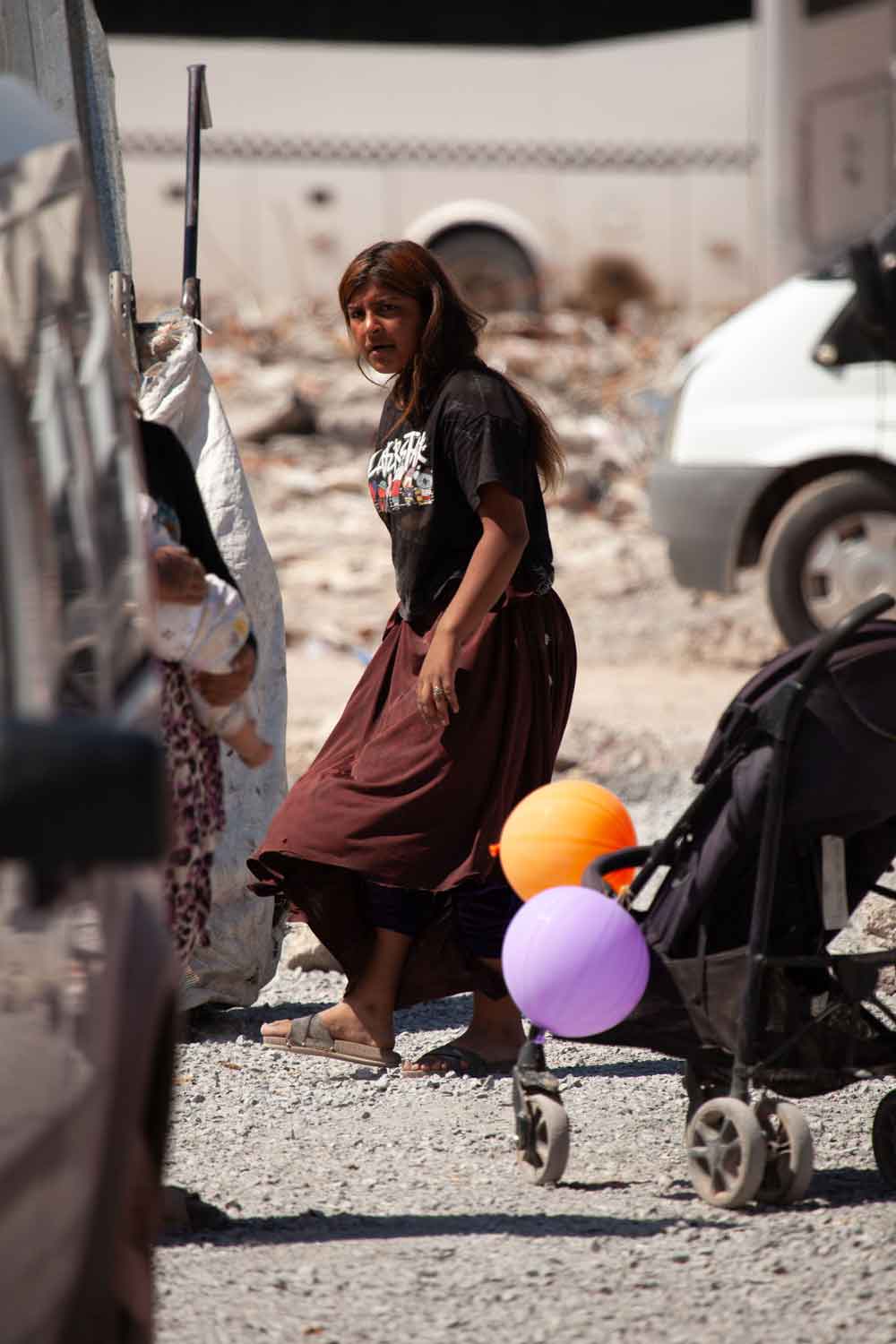
Violence Does Not End With Displacement
For many refugee women, escaping conflict does not mean escaping danger.
According to UN Women, approximately one in five refugee or displaced women experiences conflict-related sexual violence, although humanitarian agencies believe the actual number is considerably higher because abuse remains significantly underreported due to stigma, fear of retaliation and limited access to reporting mechanisms.
In some of today's largest humanitarian emergencies, the risks are even greater. The United Nations has documented widespread sexual violence during the ongoing conflict in Sudan, particularly in Darfur, while similar patterns have been reported in eastern DRC, South Sudan, Ethiopia's Tigray region, Myanmar's Rakhine State, and parts of Ukraine.
The United Nations Population Fund (UNFPA) estimates that in severe humanitarian crises, as many as 70 per cent of women may experience some form of gender-based violence, making it one of the most pervasive threats associated with displacement.
Funding shortages are compounding the crisis. According to UNHCR, more than 60 million forcibly displaced and stateless women and girls are currently at heightened risk of gender-based violence, while around 36 million could lose access to essential protection and support services because of humanitarian funding shortfalls.
Education Remains One Of The First Casualties
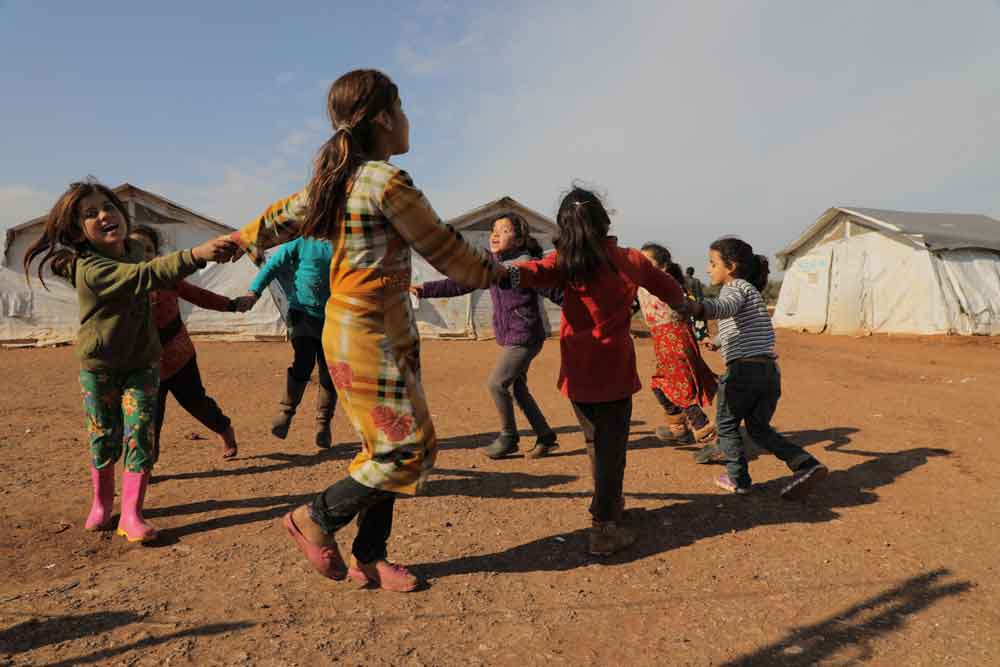
Conflict rarely affects education equally. While refugee children as a whole face lower school enrolment than their peers, girls continue to encounter additional barriers, including insecurity, domestic responsibilities, inadequate sanitation facilities and early marriage.
These challenges are particularly evident among Afghan refugees, Syrian refugee communities in Jordan, Lebanon and Turkey, Rohingya camps in Bangladesh, and settlements hosting Sudanese refugees in Chad. Across these settings, adolescent girls are significantly more likely to leave school before completing secondary education.
According to UNHCR, refugee girls remain substantially less likely than boys to complete secondary school, reducing their future employment opportunities and reinforcing cycles of poverty and dependence.
Economic Exclusion Limits Recovery
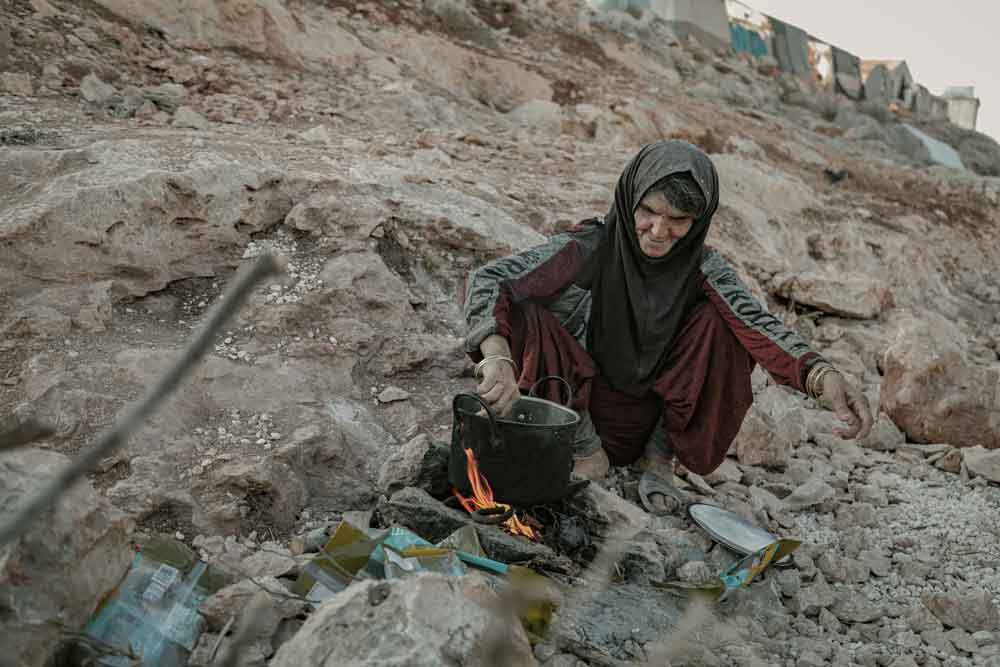
For displaced women, rebuilding a livelihood is often as difficult as finding safety. Research by the World Bank, UN Women and UNHCR shows that refugee women consistently have lower labour-force participation than refugee men, with employment gaps reaching 40 to 50 percentage points in several refugee-hosting countries.
The disparities are particularly visible in countries such as Jordan, Lebanon, Turkey, Uganda and Kenya, where legal restrictions, childcare responsibilities, discrimination and limited access to formal employment leave many women dependent on informal work or unpaid care labour.
Financial inclusion remains another significant obstacle. Refugee women continue to have among the lowest levels of access to formal banking services globally, limiting their ability to save money, receive wages, access credit or establish sustainable businesses.
Healthcare Systems Often Collapse When Women Need Them Most
The consequences of displacement extend well beyond shelter and food. According to the World Health Organisation (WHO), 61 per cent of global maternal deaths occur in fragile and conflict-affected countries, where healthcare systems are frequently overwhelmed or destroyed. Many of these countries, including South Sudan, Sudan, Somalia, Nigeria and Afghanistan, continue to face large-scale displacement alongside some of the world's highest maternal mortality rates.
Interrupted access to antenatal care, skilled birth attendants, emergency obstetric services and reproductive healthcare significantly increases the risks associated with pregnancy and childbirth.
Menstrual health also remains an overlooked aspect of humanitarian assistance. United Nations agencies estimate that one in three women and girls in humanitarian settings cannot adequately meet their menstrual health and hygiene needs, particularly in overcrowded refugee camps such as Cox's Bazar in Bangladesh and settlements across Sudan, South Sudan and Uganda, where shortages of clean water, sanitation facilities and menstrual products remain common.
Displacement Increases The Risk Of Child Marriage
Economic insecurity often forces displaced families into impossible decisions.
According to UNICEF, humanitarian crises have contributed to rising rates of child marriage among displaced communities in Syria, Yemen, South Sudan, Somalia and Rohingya refugee populations in Bangladesh. In some humanitarian settings, child marriage has increased by up to 20 per cent as families struggle with poverty, insecurity and prolonged displacement.
For many girls, marriage becomes a survival strategy rather than a choice, often ending their education and increasing their risk of early pregnancy and lifelong economic dependence.
Women-Led Organisations Remain Chronically Underfunded
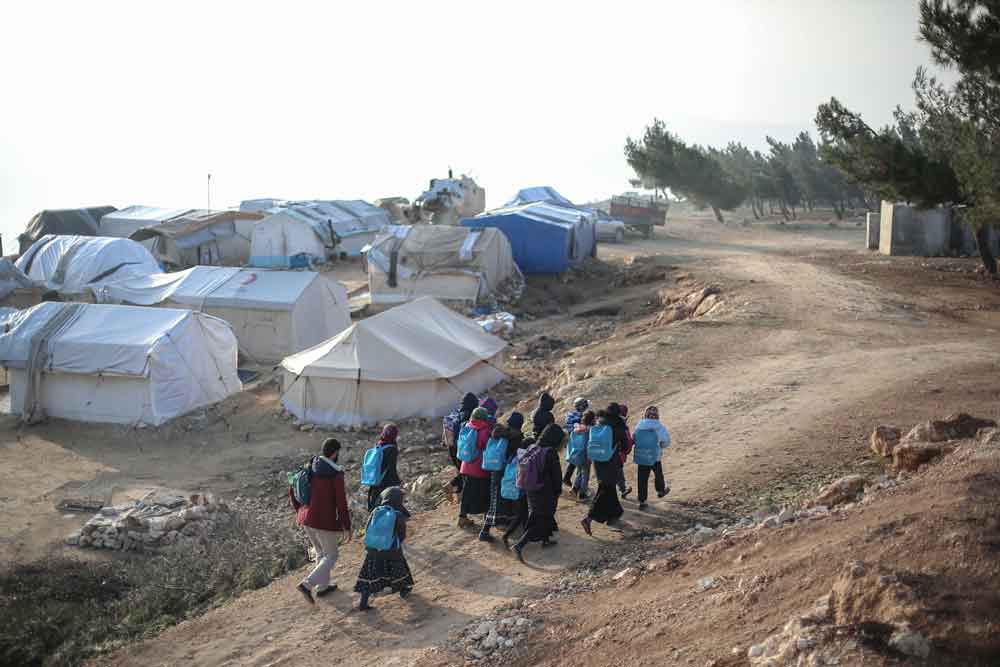
Despite being among the first responders during humanitarian emergencies, women-led organisations receive only a fraction of international aid.
According to UN Women and the Organisation for Economic Co-operation and Development (OECD), less than 1 per cent of global humanitarian assistance is channelled directly to local women's rights and women-led organisations, even though these groups frequently provide frontline services ranging from shelters and psychosocial support to legal aid and reproductive healthcare.
Recent assessments by UN Women further warn that nearly 90 per cent of women-led organisations working in humanitarian crises have been affected by global aid cuts, with almost half reporting that they could cease operations within months without additional funding.
Beyond Counting Displaced Women
The world's largest displacement crises today stretch from Sudan, DRC and South Sudan to Syria, Afghanistan, Myanmar and Ukraine. While each conflict differs in its political and historical context, the experiences of displaced women remain strikingly similar: greater exposure to violence, fewer educational opportunities, poorer access to healthcare, limited economic independence and inadequate representation in humanitarian decision-making.
The statistics paint a consistent picture. Displacement is not experienced equally, and humanitarian responses cannot remain gender-neutral if they are to be effective. As the number of people forced from their homes continues to rise, so too does the urgency of investing in gender-responsive protection systems, expanding access to education and healthcare, strengthening women's economic participation and directing greater funding to women-led organisations working on the frontlines.
Without targeted investment, millions of refugee women will continue to be counted in global displacement figures while remaining inadequately protected in practice.
--
Sources
· UNHCR. Global Trends: Forced Displacement in 2024 (2025). https://www.unhcr.org/global-trends
· UN Women. Women, Peace and Security Facts and Figures (2024–2025). https://www.unwomen.org
· UNFPA. Gender-Based Violence in Emergencies. https://www.unfpa.org/gender-based-violence
· World Health Organization (WHO). Trends in Maternal Mortality 2000–2023 (2025).
· UNICEF. Child Marriage in Humanitarian Settings and Global Child Marriage Database. https://www.unicef.org
· World Bank. Global Findex Database 2021 and reports on refugee economic inclusion. https://www.worldbank.org
· OECD. Development Co-operation Profiles and humanitarian financing datasets.
· Inter-Agency Working Group on Reproductive Health in Crises (IAWG). Resources on menstrual health and reproductive healthcare in humanitarian settings.