As 2016 throwback posts flood our feeds, the nostalgia feels comforting, almost easier than the dizzying pace of 2026. But beyond reminiscing lies a deeper question: were our lives, habits, and choices actually more sustainable back then?
Let’s take a closer, reflective look at what our old photos, wardrobes, and consumer behaviour reveal and see what 2016 can teach us about mindful living today.
The Rise of 2016 Nostalgia
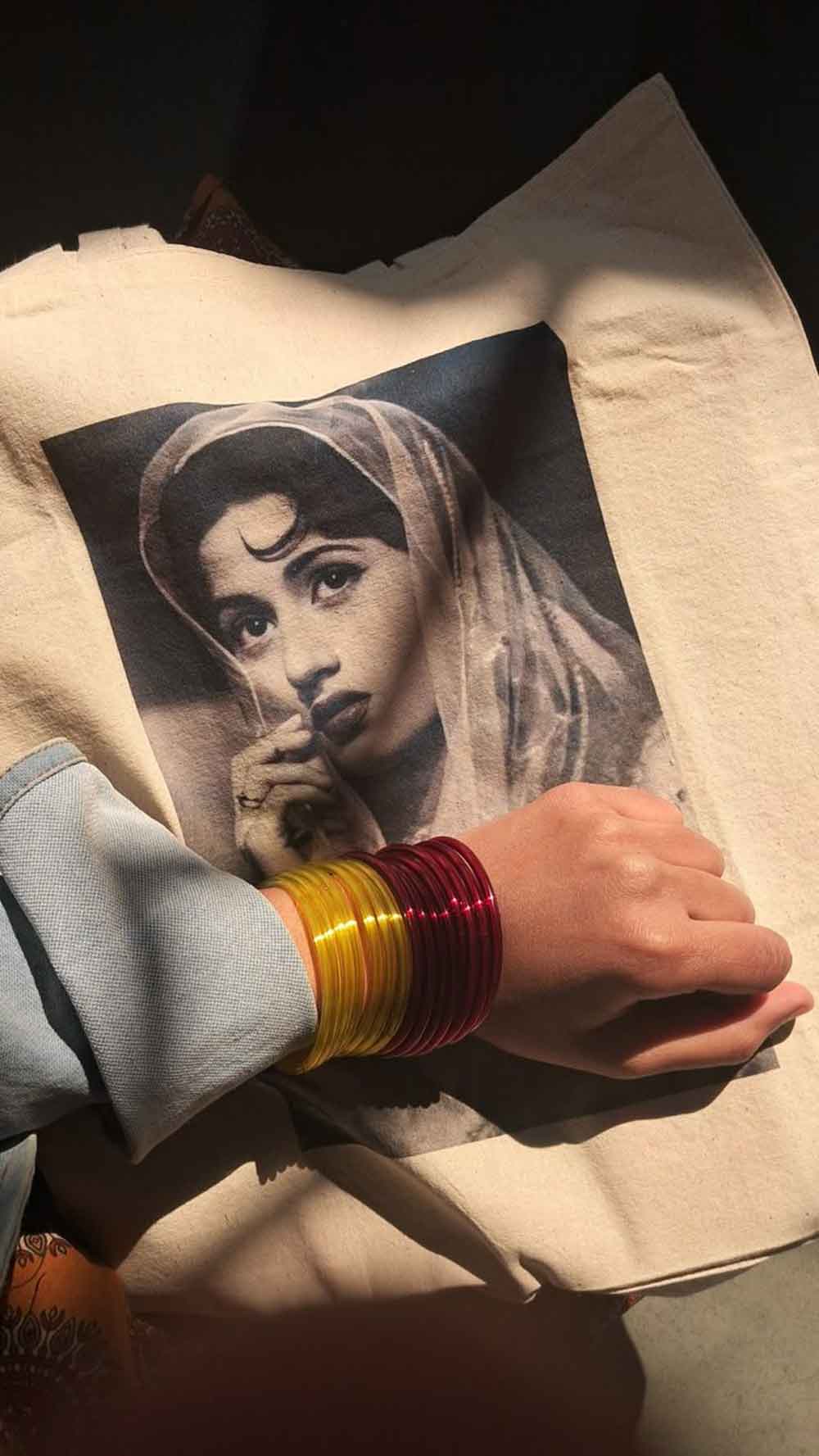
Image Source: Pinterest/timbakttu
In the age of viral memes and social media time capsules, 2016 stands out as a digital milestone. It was the year when Instagram culture began to shape how we present ourselves online. Unlike today’s Reels and TikTok-style onslaught, 2016 feeds were slower, less ‘curated’, and importantly, less driven by commerce.
Back then, online shopping was still gaining momentum across India. Women were among the early adopters, influencing sales and helping online retail grow to $14.5 billion in 2016, and Indian retail consumer spending jumped to $750 billion with growth in Internet penetration at about 40 per cent, as reported by The Economic Times. Today, the e-commerce ecosystem is a multi-billion-dollar phenomenon.
What Our Feeds Reveal: Repeat Outfits, Authenticity
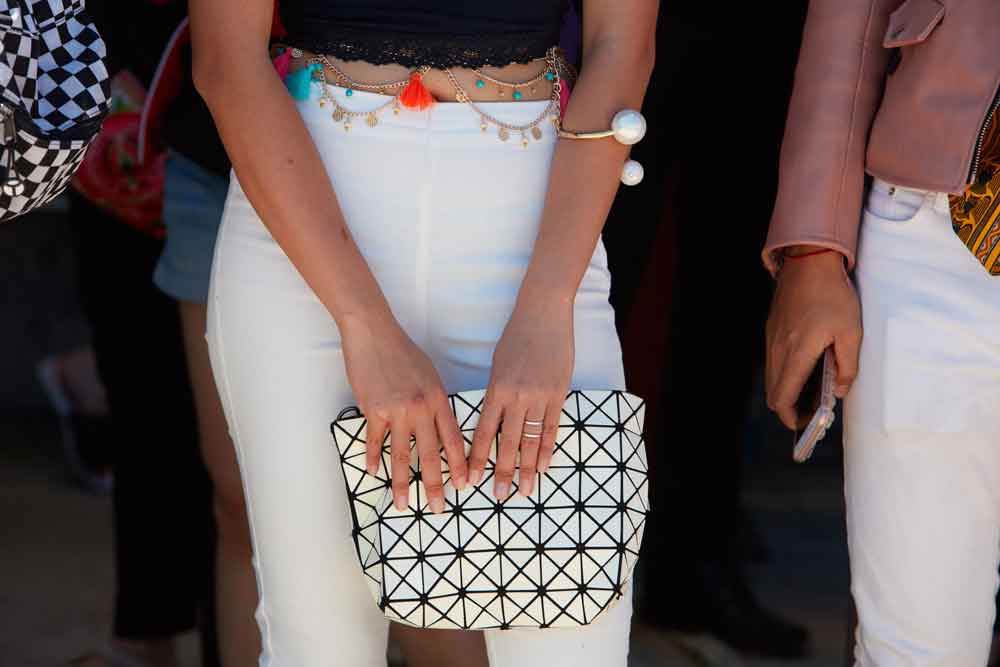
Flip through your 2016 grid, and you’ll notice something familiar: the same outfits reappear. Back then, people tended to repeat favourite pieces, partly because the rapid turnover of styles and constant promotions was just about starting.
One thing remains constant through it all: the authenticity craving. While you may see vlogs of your favourite stablished influencers just starting their journey in their 2016 content, today’s feeds show more trust for User Generated Content or UGC. The commonality between the two lies in the real lived experiences shared across both types of content.
Life Before Constant Hauls, Reels & Same-Day Delivery
In 2016, product discovery happened differently: visits to marketplaces, slower trend cycles, blogs over algorithmic feeds. Same-day delivery was almost non-existent, while today, it’s almost standard. This means that impulse buys can arrive within minutes of a scroll. That has dramatically increased consumption, especially among urban women balancing work and social lives.
Across India, e-commerce is expanding fast. As reported by The Economic Times, quick commerce platforms clocked orders worth approximately $7.68 billion of goods in FY25.
Sustainability: Buzzword Vs Reality
In 2016, eco-conscious fashion was a niche conversation, something only a few labels like FabIndia or organic cotton movements championed. Today, sustainability has become far more mainstream in India. As reported by Forbes India, around 60 per cent of Indian consumers now actively seek sustainable and ethical clothing options, with millennials and Gen Z women driving the trend.
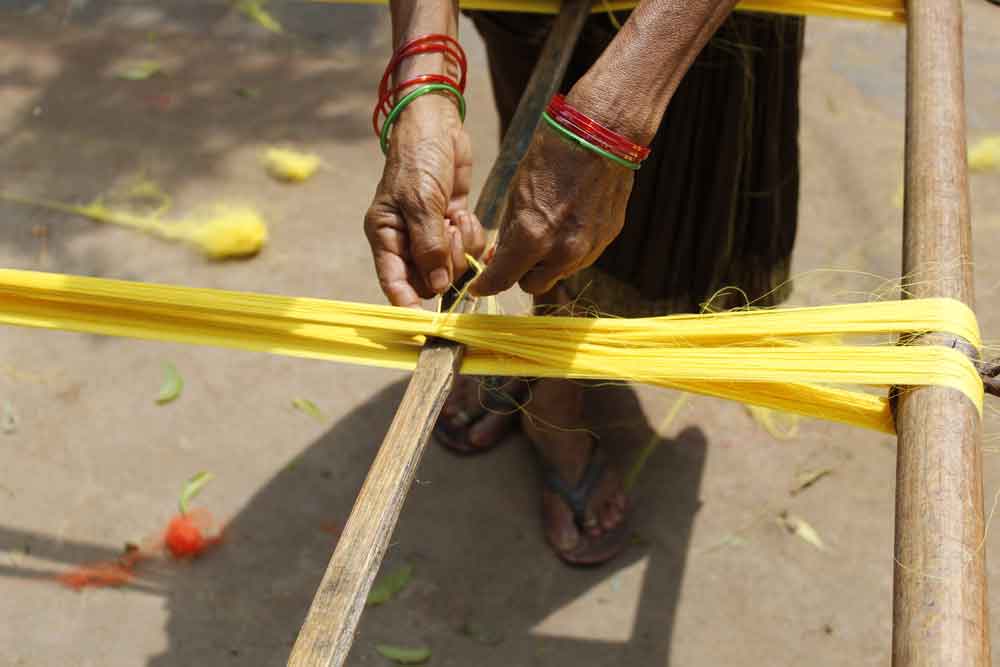
This marks real progress: refugees from synthetic fast fashion are looking to handcrafted fabrics, plant-based materials, and transparent supply chains. Still, achieving true sustainability remains hard in a market dominated by growth incentives and fast consumption.
What 2016 Can Teach Us Today
So, was 2016 actually more sustainable than 2026? Not definitively. But it was a time when slower trends, repeated outfits, and cautious consumption were simply default behaviours as opposed to being a cultural ideal. Our wardrobes then were modest because intention, not impulse, drove our choices.
Today’s digital and commerce revolution may have empowered us with choice and convenience, but it has also brought with it new pressures to consume. The path forward isn’t to romanticise the past, but to reclaim what was valuable in it: mindful buying, intentional wardrobes, and deeper appreciation for what we own.
Lead Image Source: Pinterest/Sanvi