They prepare our meals before we've had our morning chai. They care for our children while we're at work. They clean our homes, look after ageing parents, and quietly keep millions of households running. Yet despite being indispensable to everyday life, domestic workers - most of whom are women, remain among India's least protected and most undervalued workers.
As conversations around women's workforce participation, gender equality and the care economy gather momentum, there is one glaring contradiction that continues to be overlooked: the women whose labour makes it possible for millions of others to work are themselves denied many of the rights afforded to workers in other sectors.
Low wages, long working hours, job insecurity, verbal and physical abuse, lack of paid leave and almost non-existent social security continue to define the reality of domestic work in India. Most of it is without written contracts, legal safeguards or formal recognition, despite performing labour that is essential to both households and the wider economy.
If India is serious about building an inclusive care economy, domestic workers cannot remain invisible.
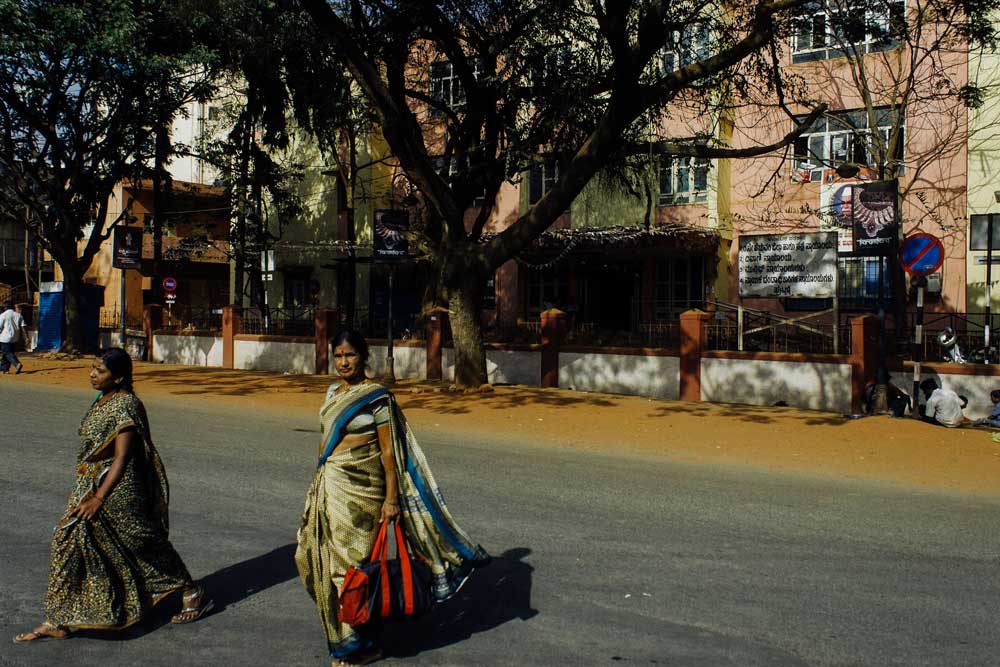
The Hidden Backbone Of India's Care Economy
Domestic work is one of the largest sources of employment for women in urban India. According to the International Labour Organization (ILO), India is estimated to have between 20 and 80 million domestic workers. The wide range itself illustrates a significant challenge: much of the sector operates informally and therefore remains absent from official labour statistics.
Domestic workers cook, clean, wash clothes, care for children, support older adults and assist people living with disabilities. Their labour enables millions of professionals to participate in the workforce and helps families balance work and caregiving responsibilities.
Economists increasingly describe this as the care economy, the paid and unpaid work that sustains households and societies. Without domestic workers, many families would struggle to remain economically productive. Yet the value of this work is rarely reflected in labour protections, wages or public policy. Instead, domestic work continues to be viewed as an extension of women's ‘natural’ caregiving role rather than recognised as skilled labour deserving of dignity, fair pay and legal protection.
Gender, Caste And Class Intersect To Deepen Inequality
Domestic work in India is shaped by more than gender. The workforce is overwhelmingly female and largely drawn from Dalit, Adivasi, OBC, minority, migrant and economically marginalised communities. These overlapping identities mean many domestic workers experience multiple forms of discrimination simultaneously.
Limited educational opportunities, poverty, displacement and social exclusion often leave women with few employment alternatives. Domestic work, despite its vulnerabilities, becomes one of the most accessible sources of income.
This intersection of gender, caste and class significantly reduces workers' bargaining power. Negotiating fair wages, refusing unsafe working conditions or reporting abuse can carry enormous financial and social consequences for women whose livelihoods depend on retaining employment.

Informality Leaves Millions Without Basic Labour Rights
The greatest challenge facing domestic workers is informality. The International Labour Organization estimates that more than 80 per cent of domestic workers globally are employed informally, and India reflects this trend.
For millions of workers, employment begins with a verbal agreement and little else.
Many have no written contracts defining wages, duties or working hours. Paid annual leave, maternity benefits, pensions, health insurance and sick leave are often unavailable. Employment can end without notice, compensation or legal recourse.
Unlike workers in many formal sectors, domestic workers in India are not protected by a comprehensive national law guaranteeing minimum wages, regulated working hours, weekly rest, paid leave or protection against unfair dismissal. Instead, labour protections vary considerably across states. While some states have notified minimum wages for domestic workers, others have not, creating a fragmented system that leaves millions without consistent rights. The absence of a uniform legal framework means workers performing the same job can experience vastly different protections depending on where they live.
When The Workplace Is A Private Home
Domestic workers face a challenge unique to very few professions: their workplace is someone else's home. Because private homes are generally outside the scope of routine labour inspections, abuse often occurs behind closed doors with limited oversight.
International evidence has consistently shown that domestic workers are at heightened risk of verbal abuse, wage theft, excessive working hours, confinement, physical violence and sexual harassment.
Many workers hesitate to report abuse for fear of losing their livelihood. Others lack access to legal support or fear retaliation, particularly if they are migrants living away from their families.
The private nature of domestic work creates a significant imbalance of power, making legal protections and accessible grievance mechanisms even more important.
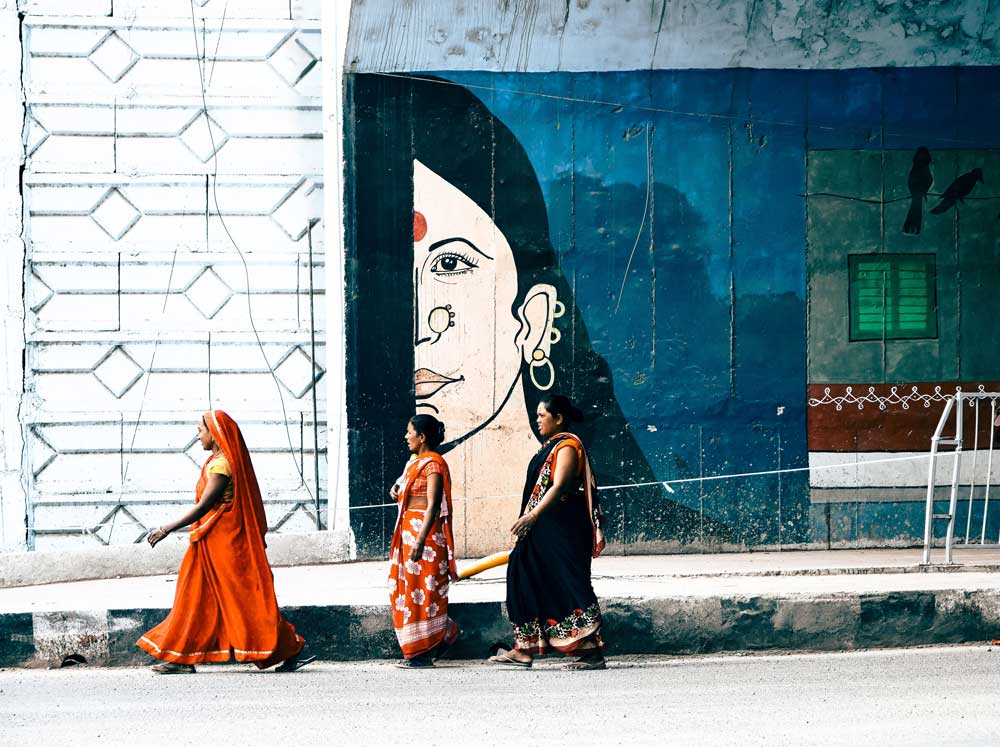
Migrant Domestic Workers Face Even Greater Risks
Migration often compounds existing vulnerabilities. Women who migrate for domestic work frequently depend on informal placement agencies to secure employment. Many arrive in unfamiliar cities with limited social support, language barriers and little knowledge of their legal rights.
Some lack identity documents or formal employment records, making it difficult to access welfare schemes or seek legal assistance.
Without adequate regulation of recruitment agencies, migrant workers can become vulnerable to deceptive hiring practices, wage withholding, debt, restricted mobility and other forms of exploitation. Improving oversight of placement agencies and strengthening access to legal aid remain critical to protecting migrant domestic workers.
India's Legal Protections Remain Incomplete
A Draft National Policy on Domestic Workers, introduced in 2019, proposed registering domestic workers under labour laws and extending greater protections through social security and welfare measures. However, the policy was never implemented. Judicial concern has also highlighted the urgency of reform.
On January 29, 2025, the Supreme Court directed the Ministries of Labour and Employment, Social Justice and Empowerment, Women and Child Development, and Law and Justice to constitute a joint committee to examine the creation of a legal framework for the protection, regulation and welfare of domestic workers. The direction followed the Court's observations in a case involving the prolonged abuse of an impoverished Adivasi domestic worker from Chhattisgarh.
The Court's intervention acknowledged what labour rights advocates have long argued: domestic workers cannot continue to remain outside meaningful labour protections.
However, despite judicial recognition, comprehensive legislative reform has yet to materialise.
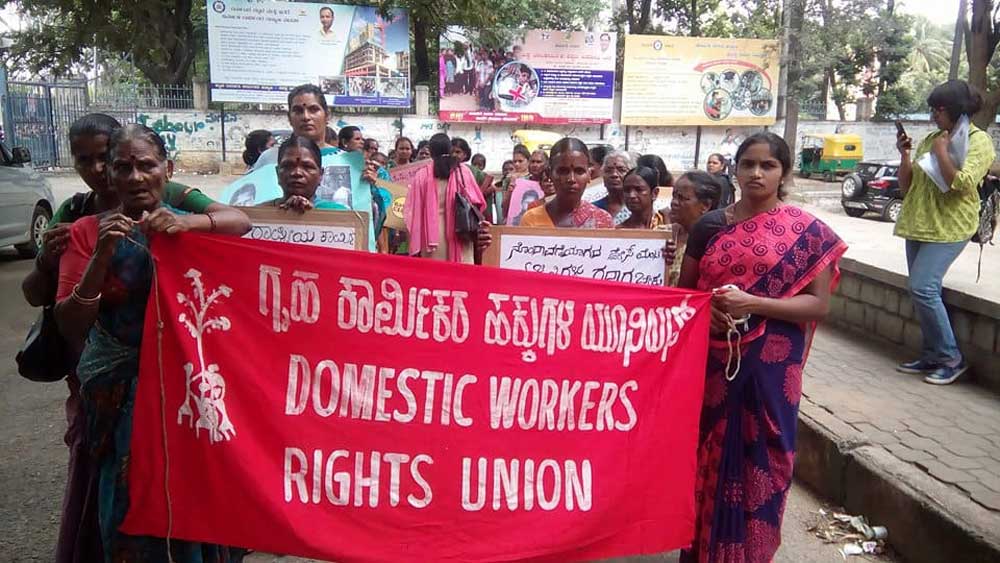
Why ILO Convention No. 189 Matters
In 2011, the International Labour Organization adopted Convention No. 189 or the Domestic Workers Convention, recognising domestic workers as workers entitled to the same fundamental labour rights as others.
The Convention calls for:
· Fair wages
· Reasonable working hours
· Weekly rest
· Safe working conditions
· Written terms of employment
· Protection from violence and abuse
· Access to social security
· Freedom of association
Many countries have ratified the Convention and incorporated its principles into national legislation. India has not.
Ratifying Convention No. 189 would not automatically solve every challenge facing domestic workers, but it would represent an important commitment to recognising domestic work as work deserving of equal dignity and legal protection.

What Needs To Change
Experts agree that meaningful reform requires more than isolated welfare schemes. Domestic workers need a rights-based framework that recognises their contribution to India's economy.
1) Enact A Comprehensive National Law
A national law should establish minimum standards on wages, working hours, overtime, weekly rest, paid leave, maternity benefits, termination procedures and grievance redressal, replacing the current patchwork of state-level protections.
2) Expand Social Security
Universal registration could enable domestic workers to access health insurance, pensions, maternity benefits, accident compensation and other welfare schemes while improving the accuracy of employment data.
3) Regulate Placement Agencies
Licensing recruitment agencies, maintaining worker databases and introducing greater accountability could reduce exploitation and improve transparency for migrant workers.
4) Strengthen Protections Against Abuse
Dedicated complaint mechanisms, legal aid services, confidential reporting systems and quicker investigation of abuse cases would make justice more accessible for workers employed inside private homes.
5) Change How Society Values Care Work
Legal reform alone cannot transform attitudes. Domestic workers deserve to be recognised as skilled professionals rather than ’helpers‘. Fair wages, respectful treatment, written agreements, paid leave and timely payment should be viewed as fundamental labour rights, not acts of generosity.
India has rightly prioritised increasing women's labour force participation and strengthening the care economy. But those ambitions cannot be realised while ignoring the women whose labour sustains households every day.
Domestic workers make it possible for millions of women and men to pursue careers, businesses and education. They care for children, support older persons and enable families to balance paid work with caregiving responsibilities.
Their contribution extends far beyond individual homes, supporting the functioning of the wider economy. Recognising that contribution means moving beyond appreciation towards enforceable labour protections, fair wages, social security and dignity at work.
--
Sources and References
This article draws on research, legal documents and publicly available reports from the following sources:
International Labour Organization (ILO)
· Domestic Workers Across the World: Global and Regional Statistics and the Extent of Legal Protection
· Making Decent Work a Reality for Domestic Workers
· ILO Convention No. 189 – Domestic Workers Convention, 2011
Government of India
· Draft National Policy on Domestic Workers (2019), Ministry of Labour and Employment.
Supreme Court of India
· Order dated January 29, 2025 directing the constitution of an inter-ministerial committee to consider a legal framework for the protection and regulation of domestic workers.
--
Statistics cited
· India is estimated to have 20–80 million domestic workers, although official figures are considerably lower because much of the sector remains informal. (International Labour Organization)
· More than 80 per cent of domestic workers globally work in the informal economy, often without written contracts or social security. (International Labour Organization)
· India's domestic workforce is overwhelmingly female and largely drawn from Dalit, Adivasi, OBC, minority, migrant and economically marginalised communities. (International Labour Organization)
· India has not ratified ILO Convention No. 189, the international treaty on decent work for domestic workers. (International Labour Organization)