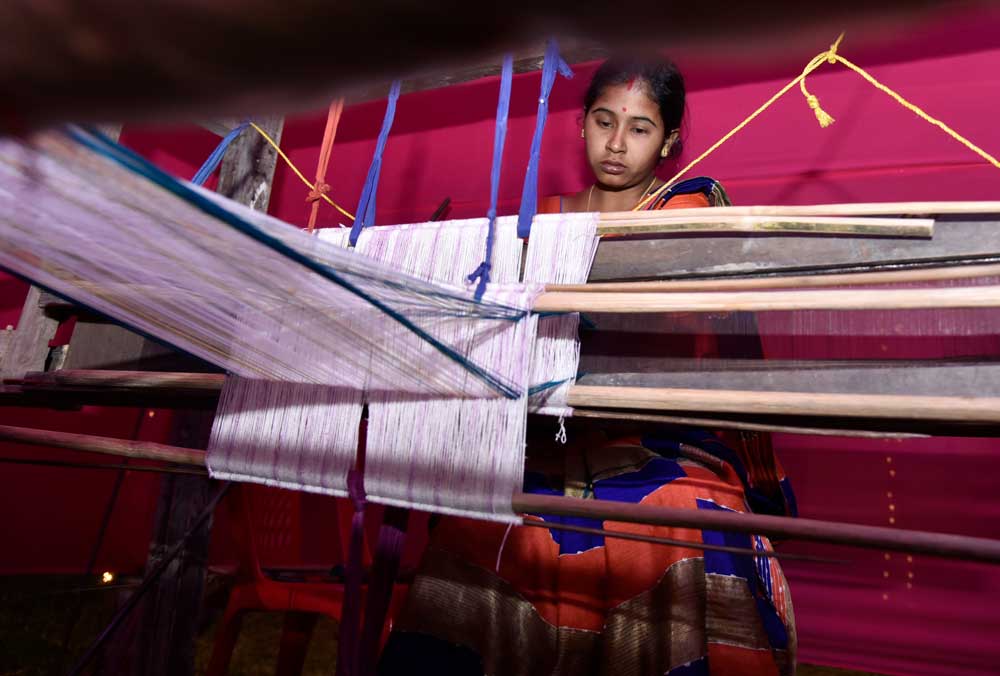
Earlier this month, the Ministry of Textiles unveiled Vishwas Sutra, a national initiative that places Indian handlooms firmly on the global map. Designed to spotlight both the textiles and the hands behind them, the programme brings together 30 of India’s most iconic weaves under a single, cohesive platform.
As global fashion grapples with the consequences of overproduction, the appetite for handmade, traceable and ethically sourced products has grown sharply. Indian handlooms, with their inherently low carbon footprint and centuries of embedded cultural knowledge, are, in theory, exactly what that market is looking for. What has long been filed under ‘traditional’ is now being reconsidered as ahead of its time.
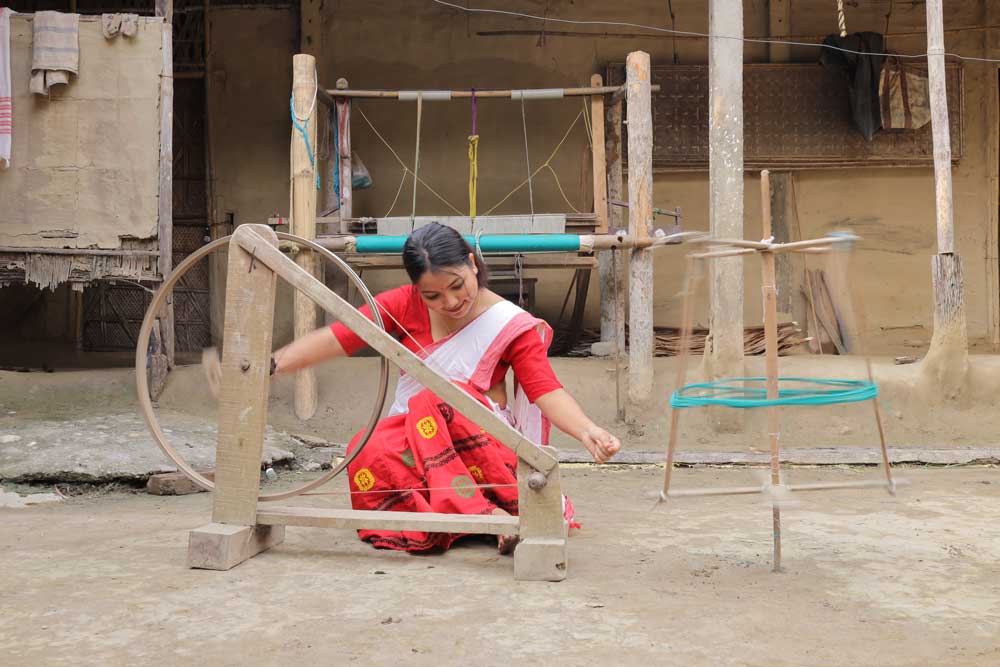
But the initiative's ambitions go beyond optics. The Vishwas Sutra is trying to help people see the importance of communities and the people who make things in different regions. It aims to change the way the industry works, so it is not about making a lot of things but about making things with skill.
The Vishwas Sutra programme is highlighting 30 weaving traditions. Each one of these traditions is special because of the way it combines technique, where the people are from and their cultural identity. Balancing all three, across communities that have long competed with mass-produced alternatives, is where the real challenge lies.
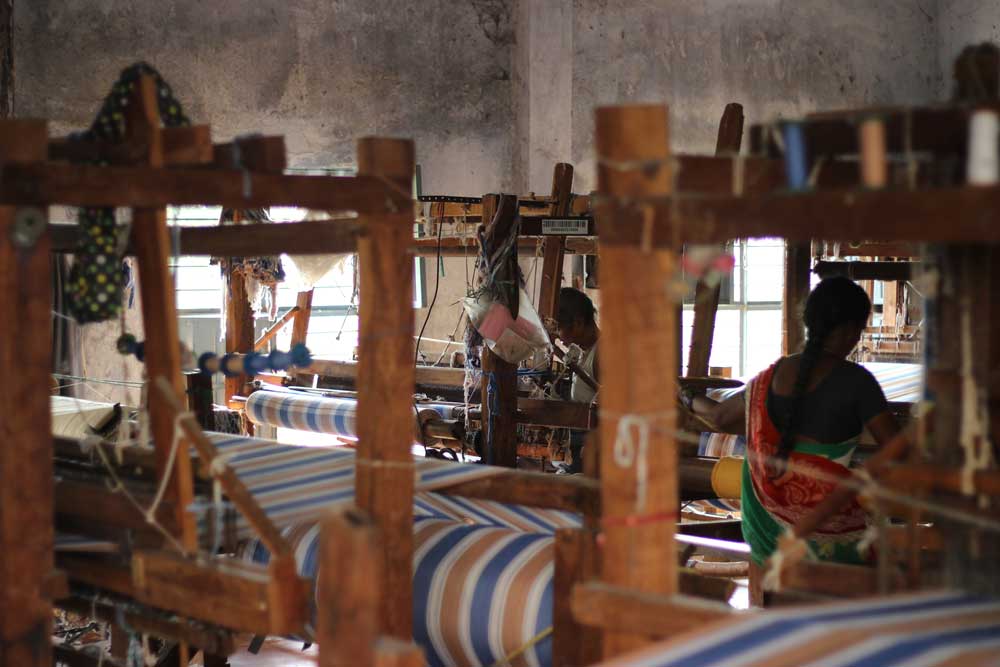
The launch also signals a broader policy direction. Vishwas Sutra sits explicitly within the Government's Vocal for Local to Global vision, and the 5F framework of Farm to Fibre to Factory to Fashion to Foreign, which traces the full journey of a textile from its raw origins to international shelves. For the handloom sector, being named within that framework is both an acknowledgement and an expectation.
The initiative also seeks to address long-standing challenges within the sector. By improving branding, strengthening market access and engaging with global curators, buyers and influencers, the Ministry hopes to create more stable and rewarding ecosystems for weavers, many of whom continue to compete with mass-produced alternatives.
For weavers, the question Vishwas Sutra must ultimately answer is not whether Indian handlooms can go global, but whether going global will actually reach them.