In 1979, Satyarani Chadha lost her daughter Sashi under circumstances that have become painfully familiar in countless Indian households. Sashi had allegedly faced relentless dowry harassment after marriage, reportedly over demands as small as a scooter. Her death changed Satyarani’s life forever. But instead of retreating into silence, she chose to fight.
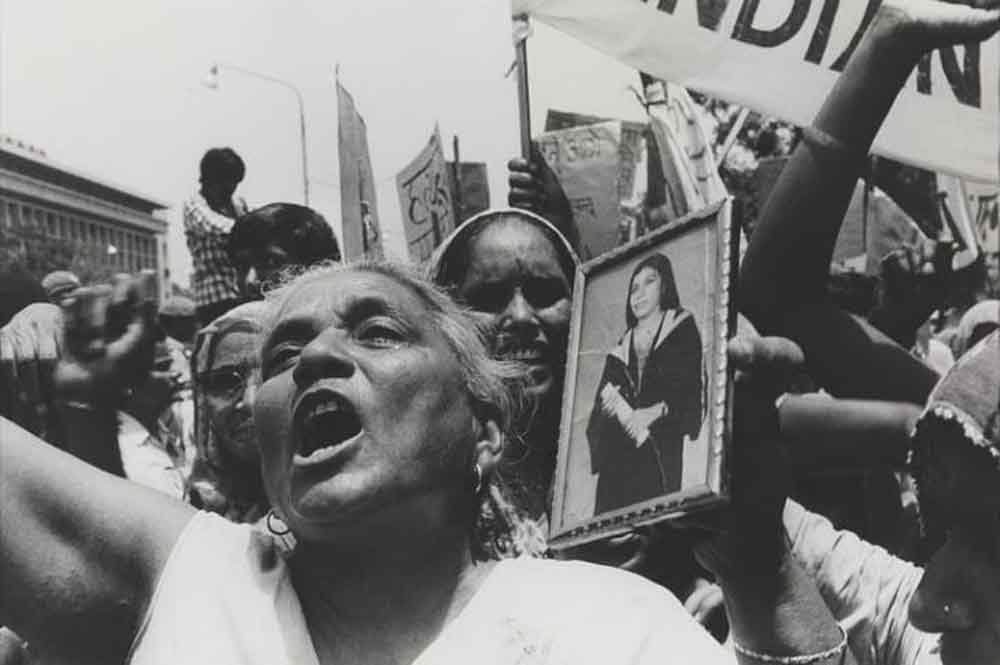
At a time when dowry violence was often dismissed as a “family matter” and women’s deaths inside marital homes rarely led to accountability, Satyarani became one of the loudest voices demanding justice, not just for her daughter but for thousands of women across India.
Alongside activist Shah Jahan, who had also lost her daughter to dowry violence, Satyarani helped spark a nationwide movement that forced India to confront the brutal reality of dowry deaths. Their protests took place outside police stations, courts, and government offices.
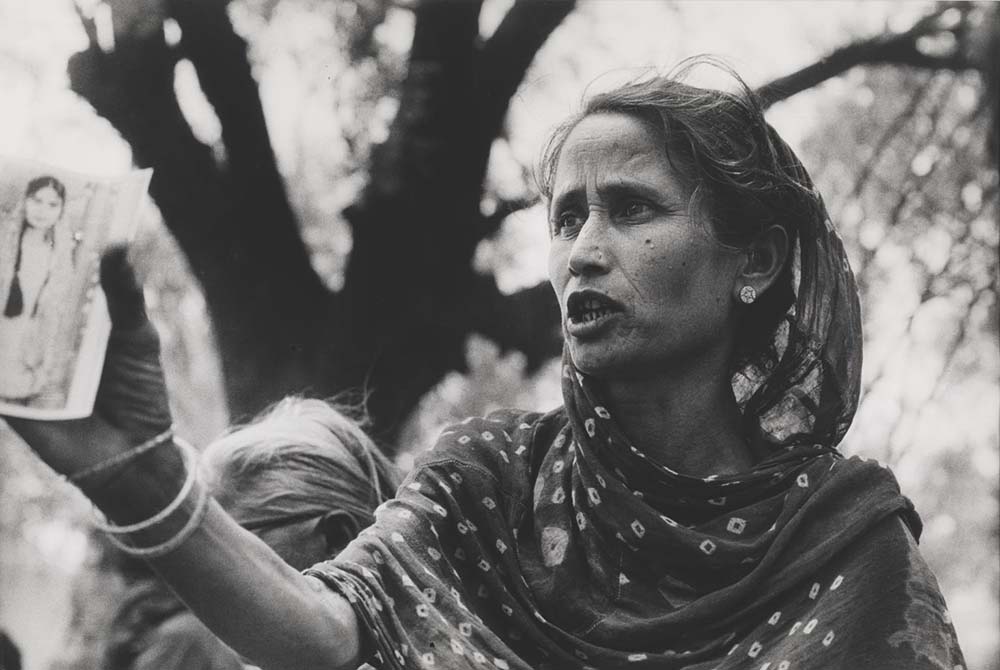
They challenged the silence surrounding domestic abuse and questioned why women continued to die within homes that society insisted were “respectable”.
At the time, India’s legal system offered little protection to women facing dowry harassment. Punishments under the Dowry Prohibition Act were weak, convictions were rare, and families often faced enormous social pressure to stay quiet. Women who reported abuse were frequently told to “adjust” or return to their marital homes.
But growing public outrage, fuelled by activists like Satyarani, began pushing the government towards reform.
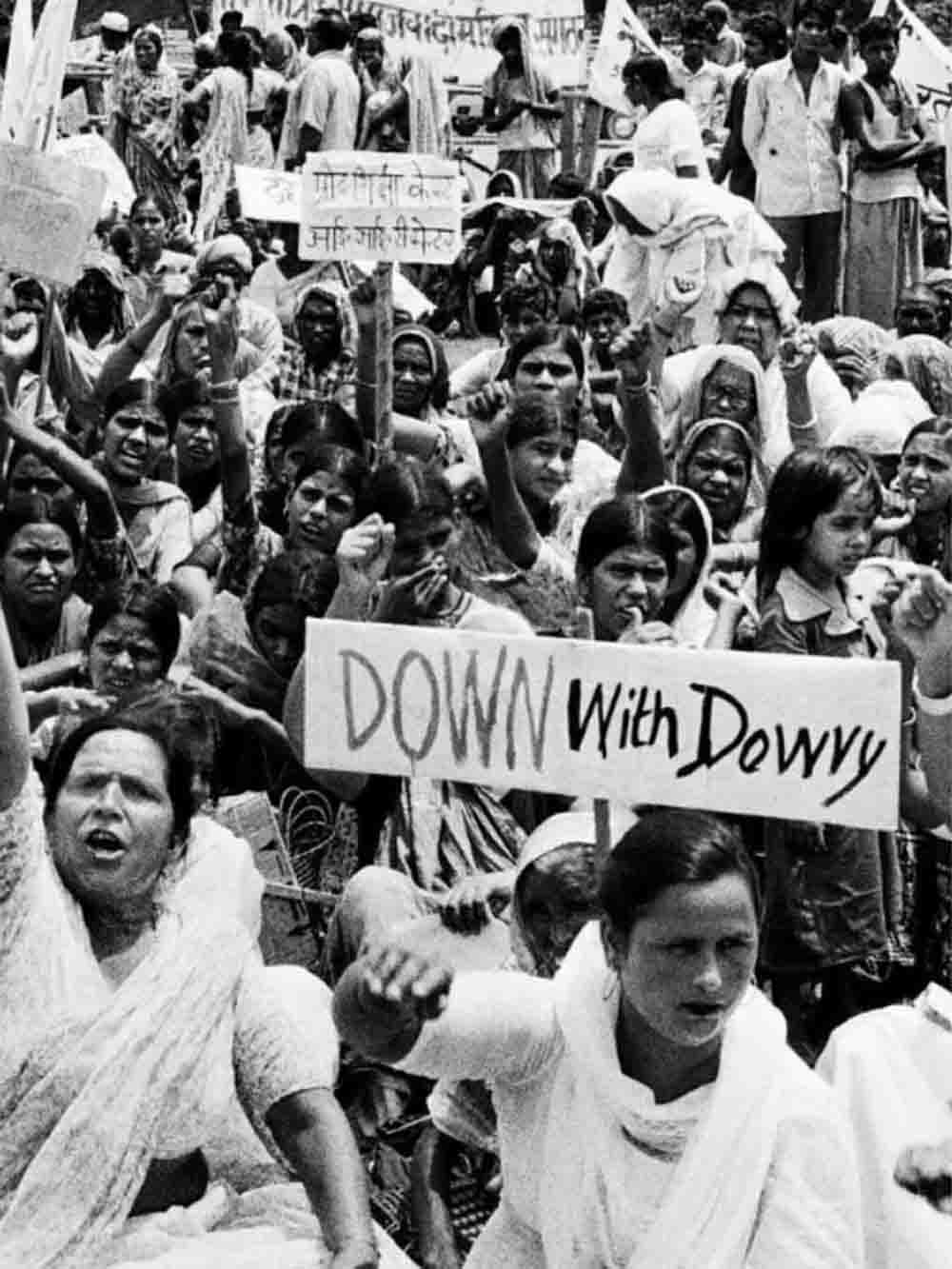
Their activism played an important role in strengthening India’s anti-dowry laws. One of the most significant changes was the introduction of Section 304B of the Indian Penal Code, which legally recognised “dowry death” as a criminal offence. The law acknowledged a grim pattern that women’s groups had been pointing out for years, many young brides were dying under suspicious circumstances after prolonged dowry harassment.
Another landmark reform was Section 498A, which criminalised cruelty by husbands and in-laws linked to dowry abuse and domestic violence. For many women, it was the first time the law formally recognised the violence happening behind closed doors.
These changes marked a turning point in India’s women’s rights movement. Dowry violence was no longer being treated as a private issue. It became a matter of public concern and legal accountability.
But even decades later, the crisis continues.
According to NCRB data cited in reports, India recorded 6,450 dowry deaths in 2024. That translates to nearly 18 women dying every single day due to dowry-related violence. Historical data also shows how deeply entrenched the problem remains. Estimates suggest dowry deaths stood at around 3,000 annually in the late 1980s, but since the mid-1990s, the numbers have consistently hovered around 7,000 deaths every year.
The statistics reveal an uncomfortable truth; laws alone cannot dismantle patriarchy.
Dowry today may not always look the way it once did. It is often disguised as “gifts”, “expectations”, or social status. Families continue to spend beyond their means for weddings, while women are still judged based on what they bring into a marriage. In many homes, financial demands remain tied to emotional abuse, coercion, and violence.
Satyarani understood this early on. Her fight was never only about punishment. It was also about creating support systems for survivors.
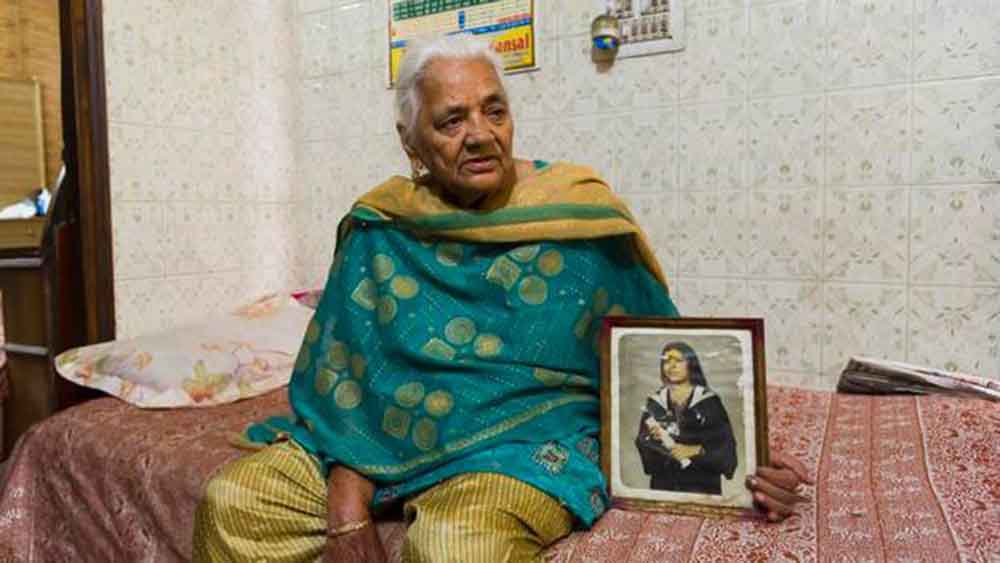
She later co-founded Shakti Shalini, an organisation that offered shelter, rehabilitation, counselling, and legal aid to women escaping domestic violence and dowry abuse. For many women with nowhere else to go, it became a lifeline.
Yet the painful irony remains that despite her relentless activism, reports suggest Satyarani’s own daughter’s accused husband never served prison time. It exposed the frustratingly slow and uneven nature of justice in India, especially for women facing violence within marriage.
Still, Satyarani Chadha’s legacy remains impossible to ignore.
Every conversation around dowry deaths, domestic violence, and marital cruelty in India carries traces of the movement she helped build. She forced the country to acknowledge that what happens inside homes is not beyond public scrutiny. And she reminded generations of women that silence should never be the price of survival.
More than four decades later, her fight is still unfinished.