
 home
home HERoes
 StrongHER
 exclusive
 bizruptors
 connect
 showcase
 engage
 grow
grow goals
goals period goals
 fertility and pregnancy goals
 diet and fitness goals
 finance goals
 help
help contest
 about us


Meet Lady Meherbai Tata: First Indian Woman To Compete In Mixed Doubles Tennis At The Olympics
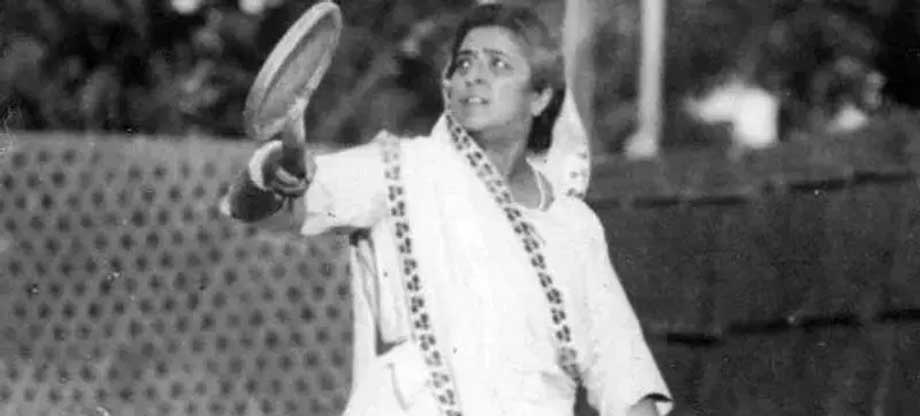
As the curtain falls on the Summer Olympics 2024 in Paris, it is a poignant moment to reflect on those who laid the foundation for India’s presence in the international sporting arena. Among the original trailblazers is Lady Meherbai Tata, an iconic figure who became the first Indian woman to compete in mixed doubles tennis at the Olympics a hundred years ago. Yet, her legacy extends far beyond the tennis courts.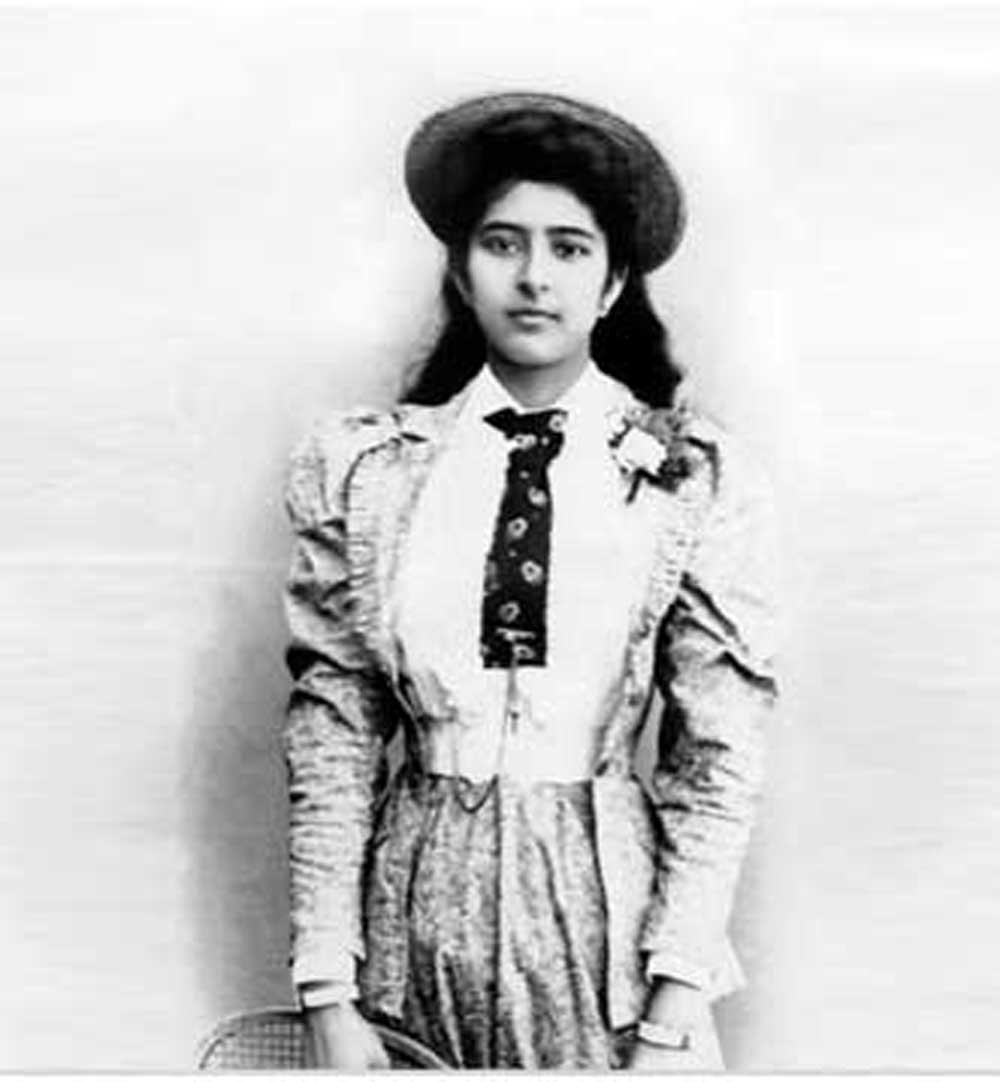
Born on October 10, 1879 in Bombay, Lady Meherbai Tata’s destiny was shaped early on by her father, Hormusji J Bhabha, one of the first Parsis to pursue higher education in England. His influence was instrumental in nurturing her intellectual and cultural development. When the family moved to Bangalore, Meherbai attended Bishop Cotton School, excelling in English and Latin. Under her father’s guidance, she continued her education, immersing herself in science and literature, and becoming an accomplished pianist. Her musical talent quickly made her a sought-after performer at public concerts in Mysore.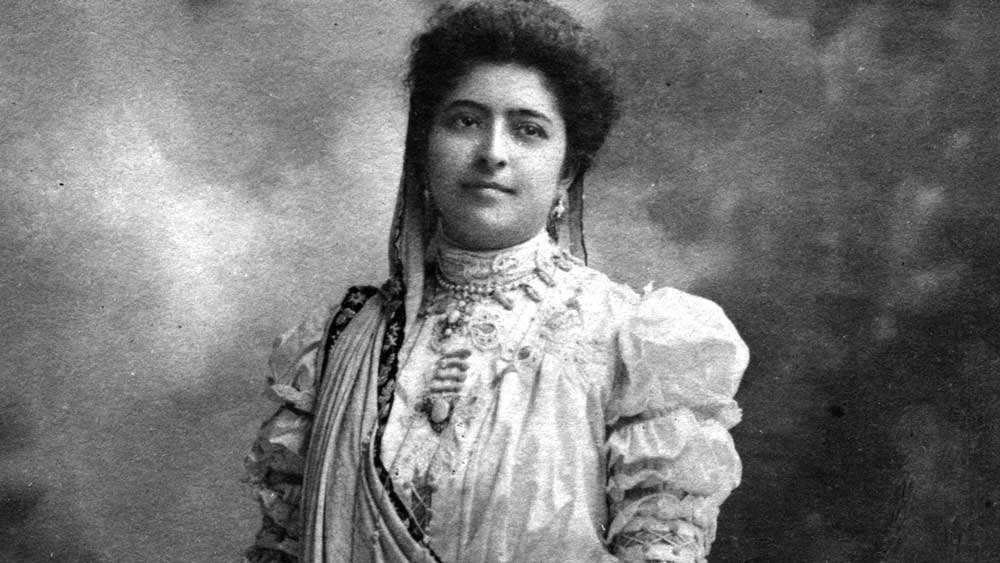
In 1898, Meherbai married Dorabji Tata, the eldest son of the industrialist Jamsetji N Tata. This union catapulted her into the public eye, and she soon became a prominent figure in society. Despite her elevated social status, Lady Meherbai remained deeply committed to personal growth and self-education. Her travels across the world with her husband exposed her to diverse cultures and ideas, further fuelling her passion for learning and sports.
Tennis was among Lady Meherbai’s great loves. She competed in numerous tournaments, winning over 60 prizes, and earning widespread admiration for her prowess on the court. Her achievements were not confined to India; she also competed at prestigious venues such as Wimbledon and Baden-Baden. Lady Meherbai’s elegance, particularly her pride in wearing the traditional saree on the tennis courts, left a lasting impression on spectators, blending cultural heritage with modern athleticism. Her passion for sports was equally matched by her skills in horse riding and driving her own motor car, feats that were considered remarkable for women of her time.
However, Lady Meherbai’s contributions extended far beyond the realm of sports. A staunch advocate for women’s rights, she believed that India’s progress was intrinsically linked to the status of women in society. Her work spanned various social causes, including education and legal reforms for women. As a member of the National Women’s Council and the All India Women’s Conference, she was a vocal supporter of the Hindu Marriage Bill in 1927 and played a crucial role in the passing of the Child Marriage Act in 1929. Her activism also led her to demand equal political status for women in India’s emerging constitutional framework.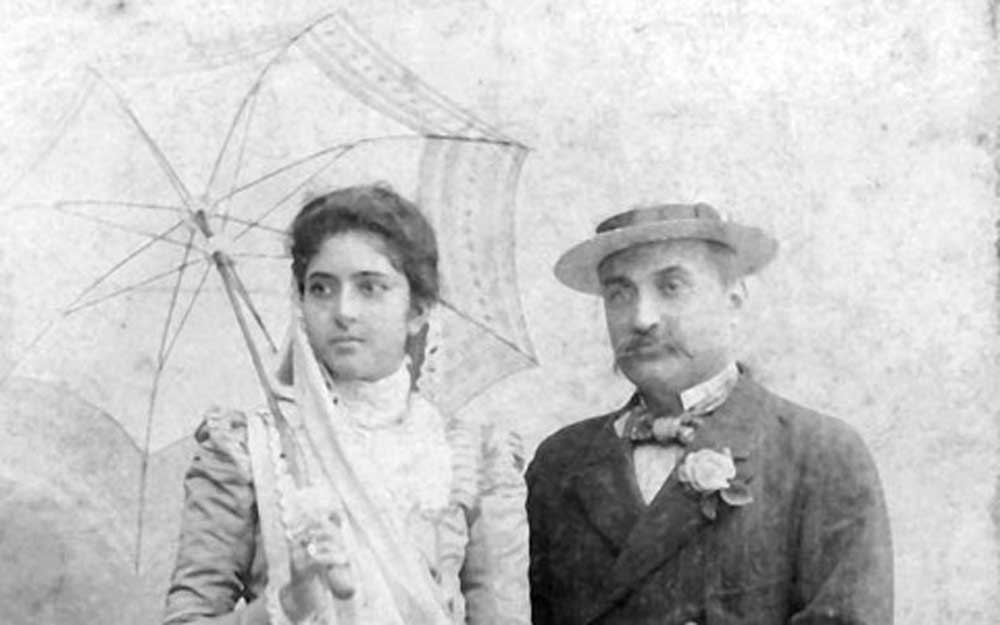
Lady Meherbai’s influence stretched beyond Indian borders. She founded the Bombay Presidency Women’s Council and introduced India to the International Council of Women, thereby connecting Indian women’s struggles with the global movement for gender equality. Her involvement with the Red Cross Society further highlighted her commitment to advocating for the rights of women, migrants, labourers, and other marginalised groups.
Tragically, Lady Meherbai’s life was cut short when she passed away on June 18, 1931 in North Wales, following a battle with leukaemia. Her death was a profound loss, but her legacy lived on through the work she had done and the impact she had made. Her husband, Dorabji Tata, honoured her memory by bequeathing most of his wealth, including her jewellery, to charitable causes, furthering the Tata family’s tradition of philanthropy.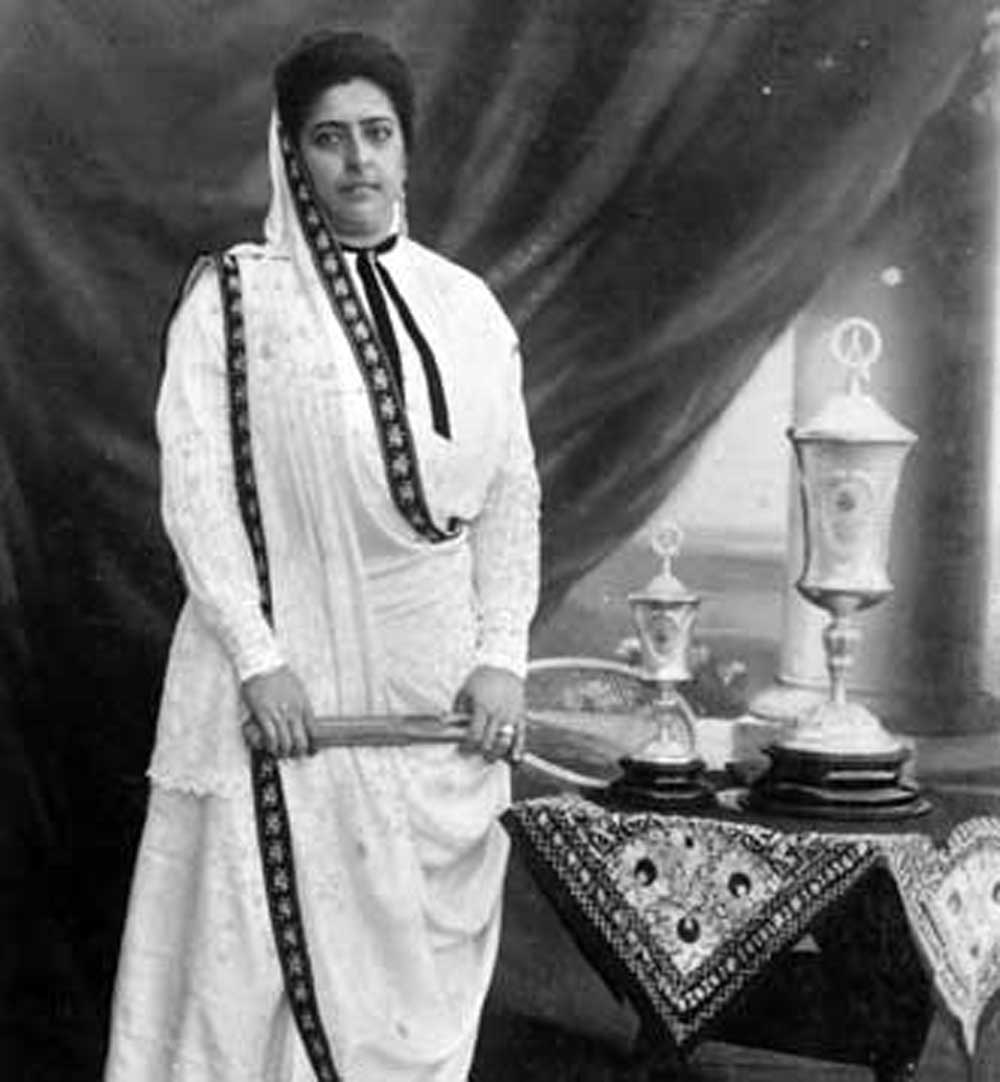
Lady Meherbai Tata’s pioneering spirit and dedication to both sports and social causes continue to inspire generations. Her story is a testament to the power of passion, perseverance, and unwavering belief in the potential of women to shape the future.