Earlier this week, Maharashtra’s Chief Minister Devendra Fadnavis announced a special drive and a fresh notification to ban plastic flowers at festivals and banquet halls, citing environmental harm and damage to local flower farmers. This builds on a July 2025 state order that first banned artificial (non-biodegradable) flowers. Fadnavis told the legislative council that natural blooms were being ‘replaced by plastic flowers in a big way’ and that all hall owners and sellers found using them will face prosecution. He added that a notification will be issued soon to outline the penalties.
Legal Basis and Enforcement
Maharashtra already has other plastics laws in place. The Maharashtra Plastic and Thermocol Notification (2018) bans many single-use plastics and thermocol. Under this, plastic flowers are deemed non-biodegradable waste. The new order, yet to be issued, will clarify that decor items like garlands, wreaths, and bouquets cannot be used in temples, pandals or banquets. Enforcement for the same falls under the Maharashtra Non-Biodegradable Waste Control Act (2006) and local bylaws. In practice, municipal inspectors and state pollution officials will raid markets and venues. In 2025 alone, authorities inspected around 125,000 shops under this Act, penalised 3,390 offenders, and seized 67.5 tonnes of single-use plastic, as reported by the Times of India. It was further reported that fines amounting to ₹1.55 crore were collected for violations of the Act. With the new notification in place, closures are bound to increase, and special drives are expected to prompt action against those selling plastic flowers.
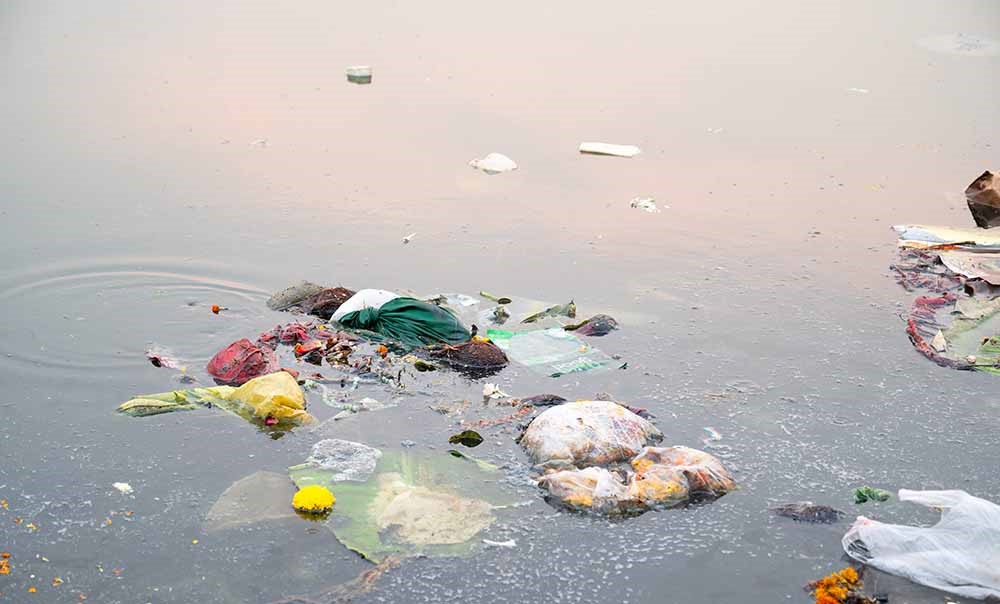
Waste and Festivals
The ban is expected to reshape festival and wedding decorations alike, along with the waste produced thereof. Festivals currently dump huge amounts of litter: for example, India’s 2021 Kumbh festival alone generated 100 tonnes of garbage per day, as reported by Down To Earth. Reducing plastics at festivals should cut this burden and protect the soil. As per a report by the Central Pollution Control Board, 4.4 million tonnes of plastic waste were generated nationwide in 2019-20, with Maharashtra’s share at 443,724 tonnes. While exact festival-specific plastic tonnes are not well-documented, these figures confirm that ceremonies contribute markedly to municipal plastic waste.
Eco-Friendly Alternatives & Composting
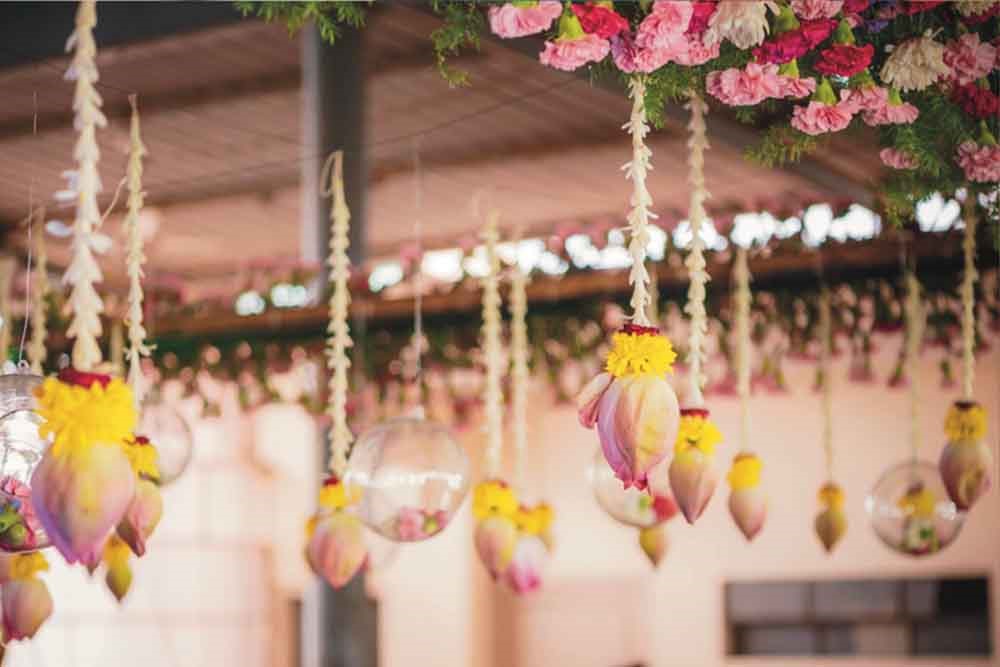
One can switch to biodegradable alternatives. Options include:
· Fresh flower garlands (fully compostable)
· Dried flower strings
· Sola-wood garlands (plant pith carved like flowers)
· Natural-fibre (coir/jute) designs
How to Dispose of Biodegradable Decor Responsibly:
1. Reuse First
Fresh flowers don’t have to go to waste immediately. They can be donated to temples, community spaces, or even repurposed for smaller rituals and décor.
2. Compost at Source
Once the flowers begin to wilt, composting is the most sustainable option. Mix floral waste with dry leaves, soil, or kitchen scraps to balance moisture and speed up decomposition. Within a few weeks, this turns into nutrient-rich compost that can be used for gardening or landscaping.
3. Get in touch with Recycling Initiatives
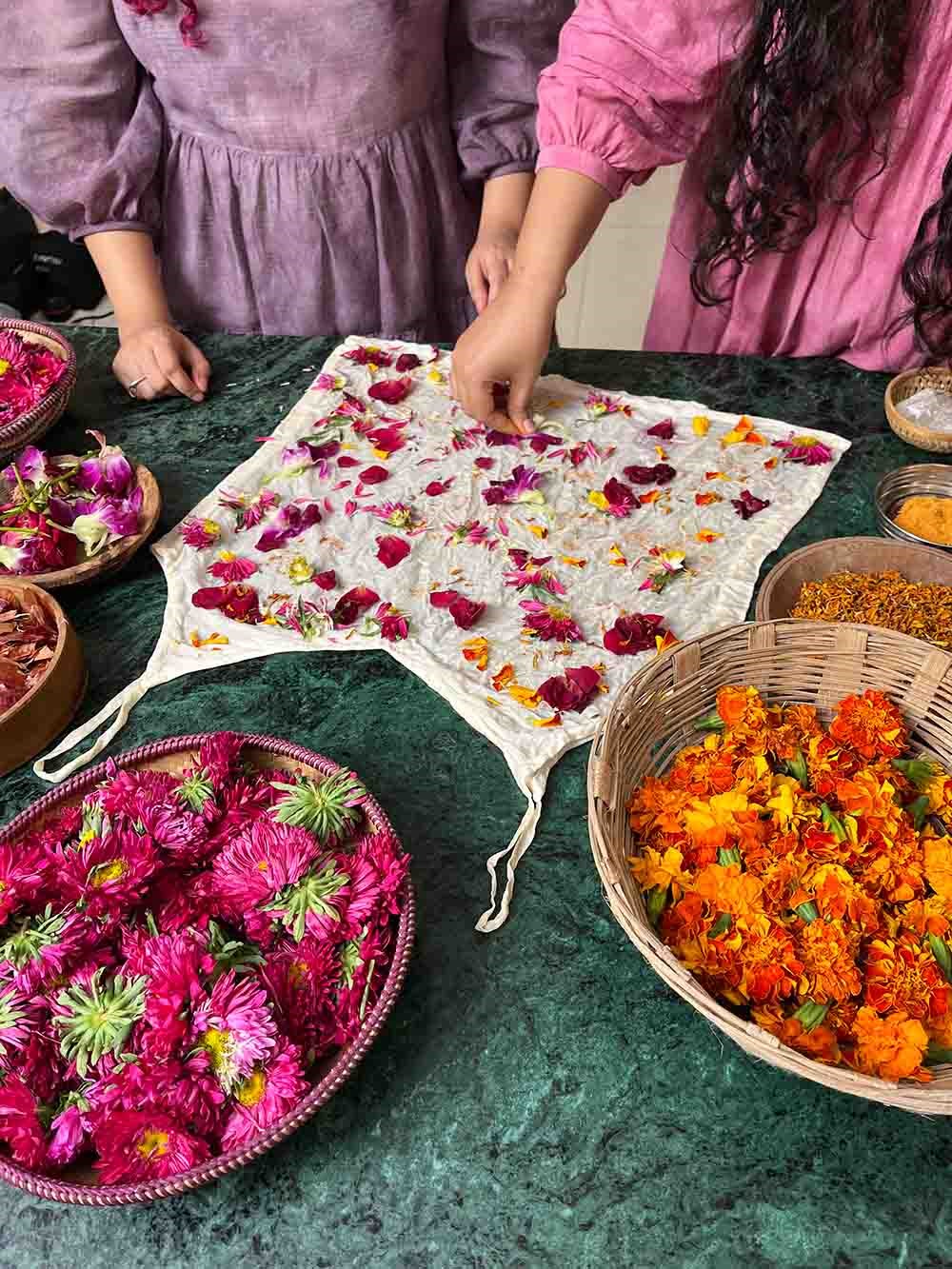
Several Indian startups (like Phool, Akané) and NGOs already specialise in recycling temple and event flowers into incense sticks, compost, or natural colours. Collaborating with such organisations ensures waste is diverted from landfills at scale.
Biodegradable décor, whether it’s fresh flowers, dried arrangements, sola wood, or natural fibres, only fulfils its purpose when it returns safely to the earth. Thoughtful disposal not only reduces landfill waste but also creates a circular system where celebration feeds back into nature.
Also Read:
Composting 101: https://www.hercircle.in/engage/get-inspired/trending/how-to-make-compost-at-home-your-comprehensive-guide-to-easy-composting-8209.html
Plant Dyeing Tutorial Using Flowers: https://www.hercircle.in/engage/fashion/trends/plant-dyeing-tutorial-with-akaneacute-3584.html