
 home
home HERoes
 StrongHER
 exclusive
 bizruptors
 connect
 showcase
 engage
 grow
grow goals
goals period goals
 fertility and pregnancy goals
 diet and fitness goals
 finance goals
 help
help contest
 about us


Love Your Sari? Here Are The Must Know Weaves From Across India
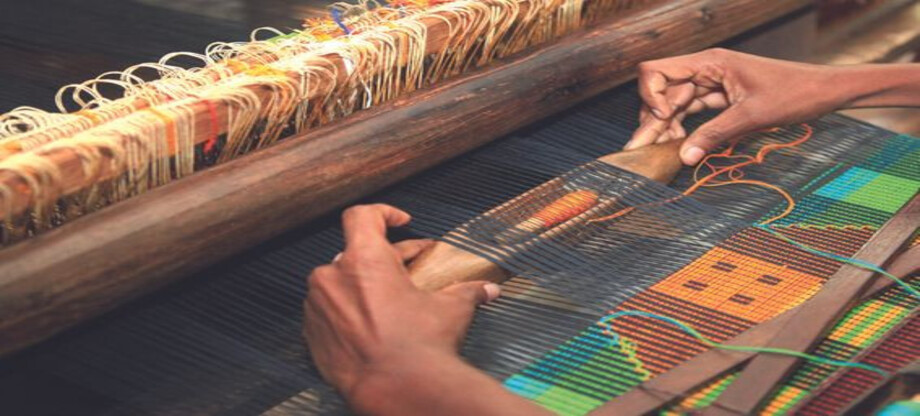
India is renowned for its rich and diverse textile traditions, especially its saree weaves. Each region in India has its unique style of weaving, patterns, and techniques that reflect its cultural heritage. India's textile heritage is as diverse as its culture, with each saree weave representing the unique artistic traditions of its region. From the opulent Banarasi and Kanchipuram sarees to the understated . elegance of Kasavu and Mysore Silk, the variety is endlessHere are some of the notable saree weaves from across India: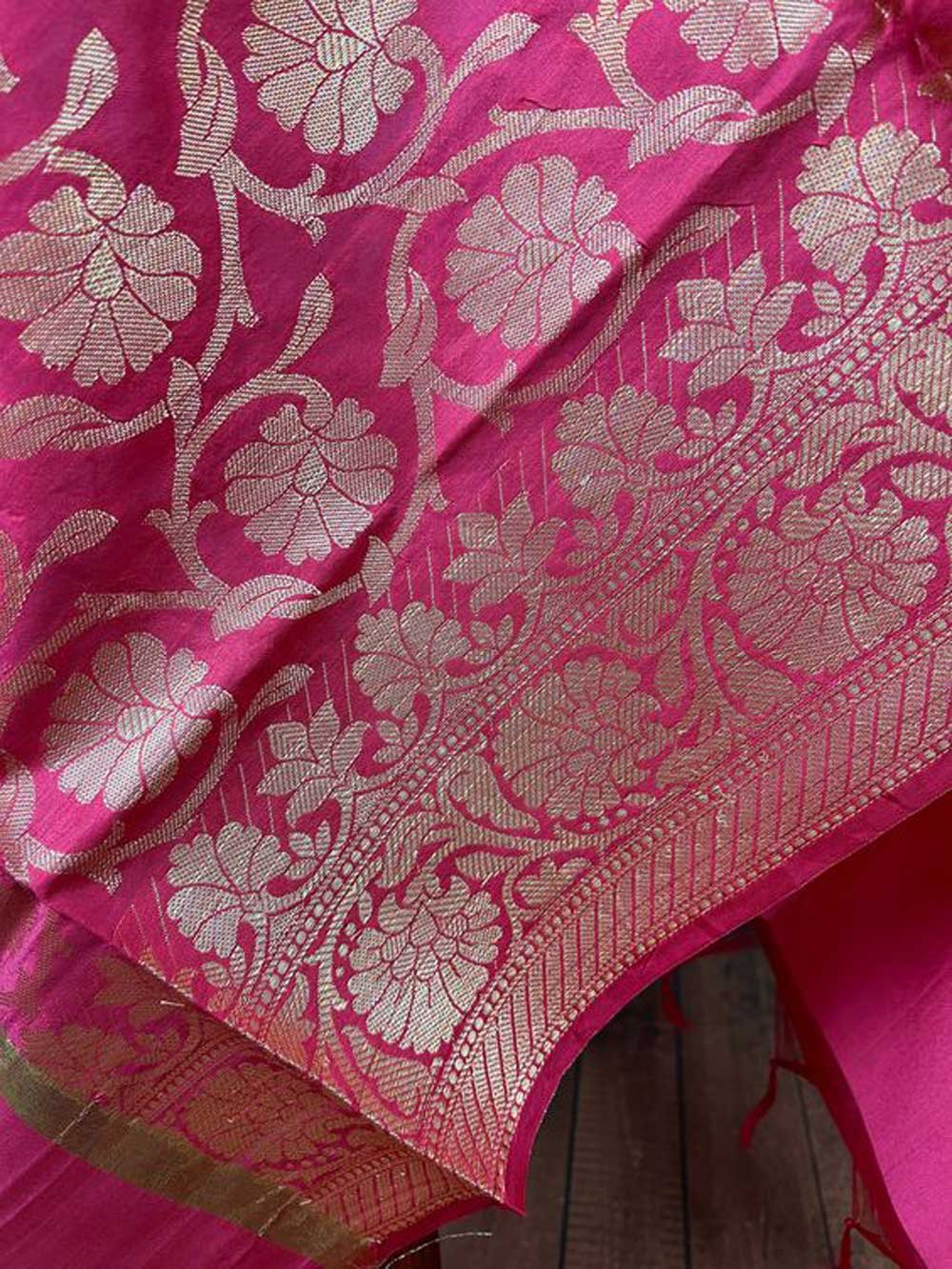
1. Banarasi (Uttar Pradesh)
Features: Banarasi sarees are celebrated for their rich brocades with intricate designs in gold and silver zari. They often feature motifs inspired by Mughal art, such as flowers, leaves, and human figures. These sarees are highly valued for weddings and festive occasions.
2. Chikankari (Uttar Pradesh)
Features: Chikankari sarees are famous for their delicate and intricate hand embroidery. The embroidery is done using white thread on pastel-coloured fabrics, creating elegant and subtle designs.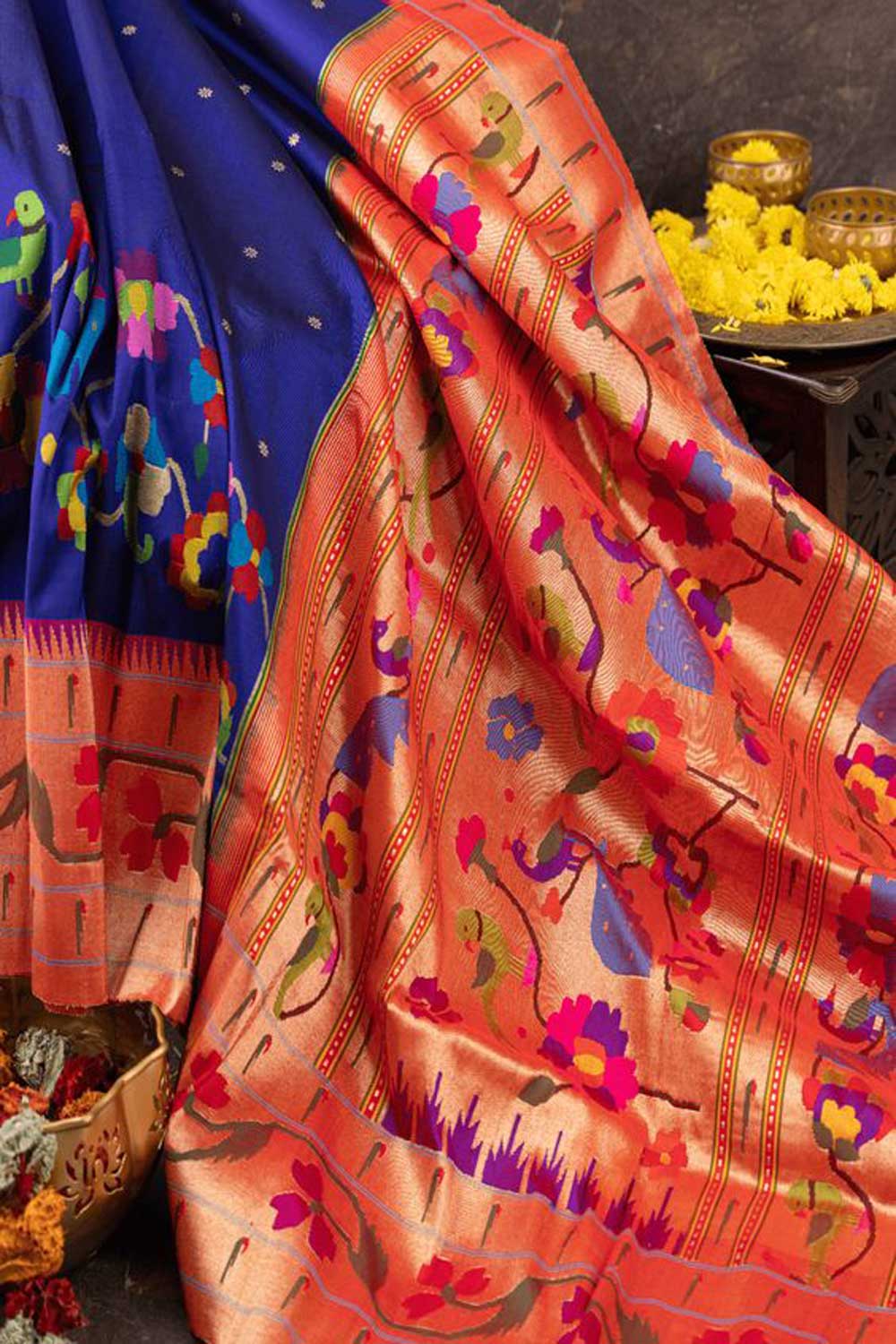
3. Paithani (Maharashtra)
Features: Paithani sarees are known for their luxurious texture and vibrant colours. They feature intricate zari borders and pallu with traditional motifs like peacocks, flowers, and vines. The weave is characterised by a tapestry-like effect.
4. Patola (Gujarat)
Features: Patola sarees are double ikat woven, meaning both the warp and weft threads are dyed before weaving. This results in vibrant, geometric patterns that are symmetrical and identical on both sides of the fabric.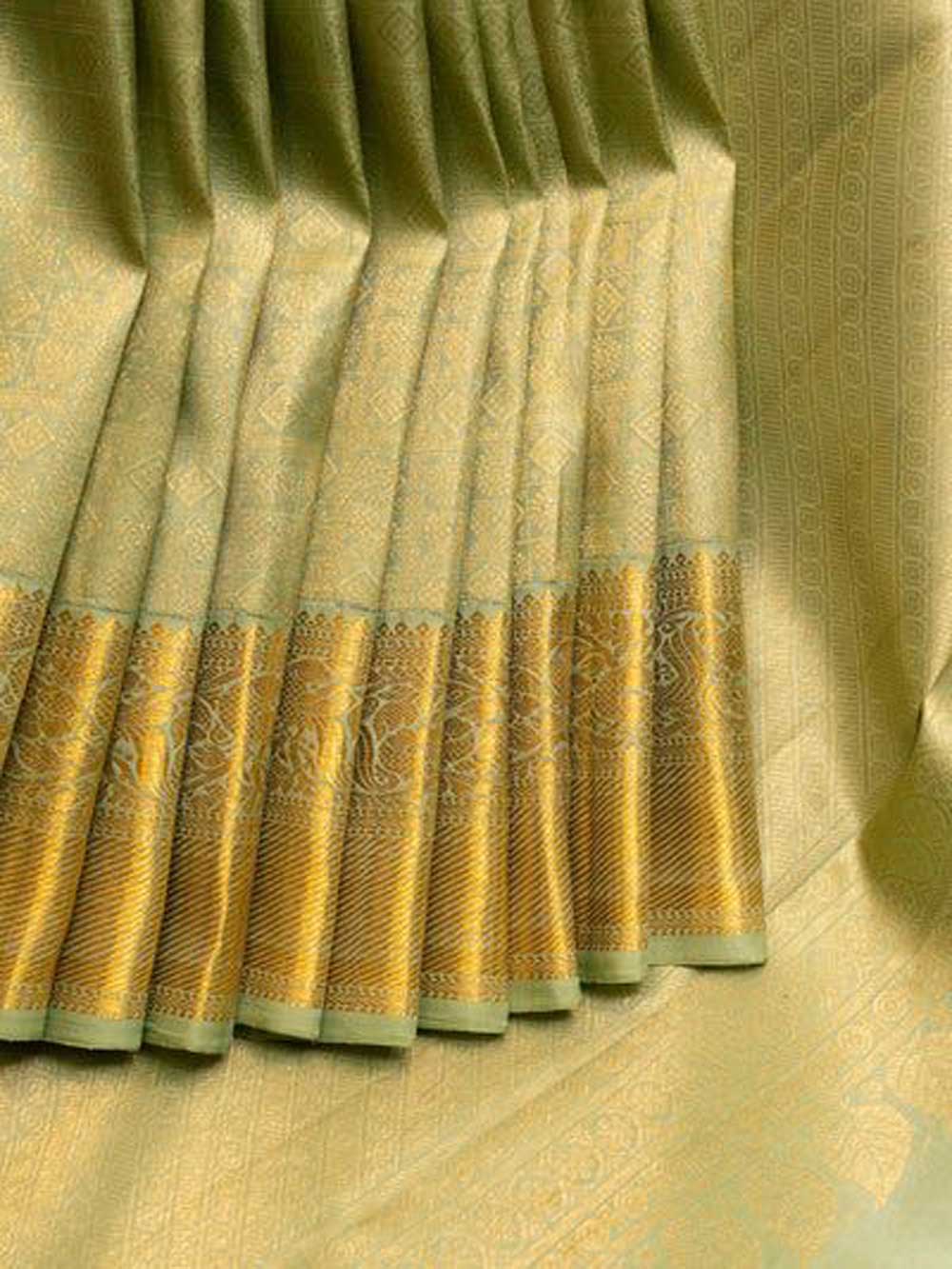
5. Kanchipuram (Tamil Nadu)
Features: Kanchipuram sarees are distinguished by their rich texture, contrasting borders, and temple designs. They are woven using pure mulberry silk and often feature intricate patterns in gold and silver zari.
6. Mysore Silk (Karnataka)
Features: Mysore Silk sarees are known for their smooth texture and rich sheen. They typically have minimalistic designs with pure zari borders and pallu, giving them an elegant and classic look.
7. Taant (West Bengal/Bangladesh)
Features: The Taant saree, also known as Tant or Taat, is a traditional handloom saree celebrated for its lightness, comfort, and intricate design work. They are perfect for everyday wear and are admired for their breathability and softness.
8. Sambalpuri (Odisha)
Features: Sambalpuri ikat sarees are famous for their unique tie-dye technique, where threads are tie-dyed before weaving. The sarees feature traditional motifs like shankha (shell), chakra (wheel), and phula (flower).
9. Chanderi (Madhya Pradesh)
Features: Chanderi sarees are known for their sheer texture and lightweight feel. They often feature traditional motifs like peacocks, lotuses, and geometric patterns, woven with gold and silver threads.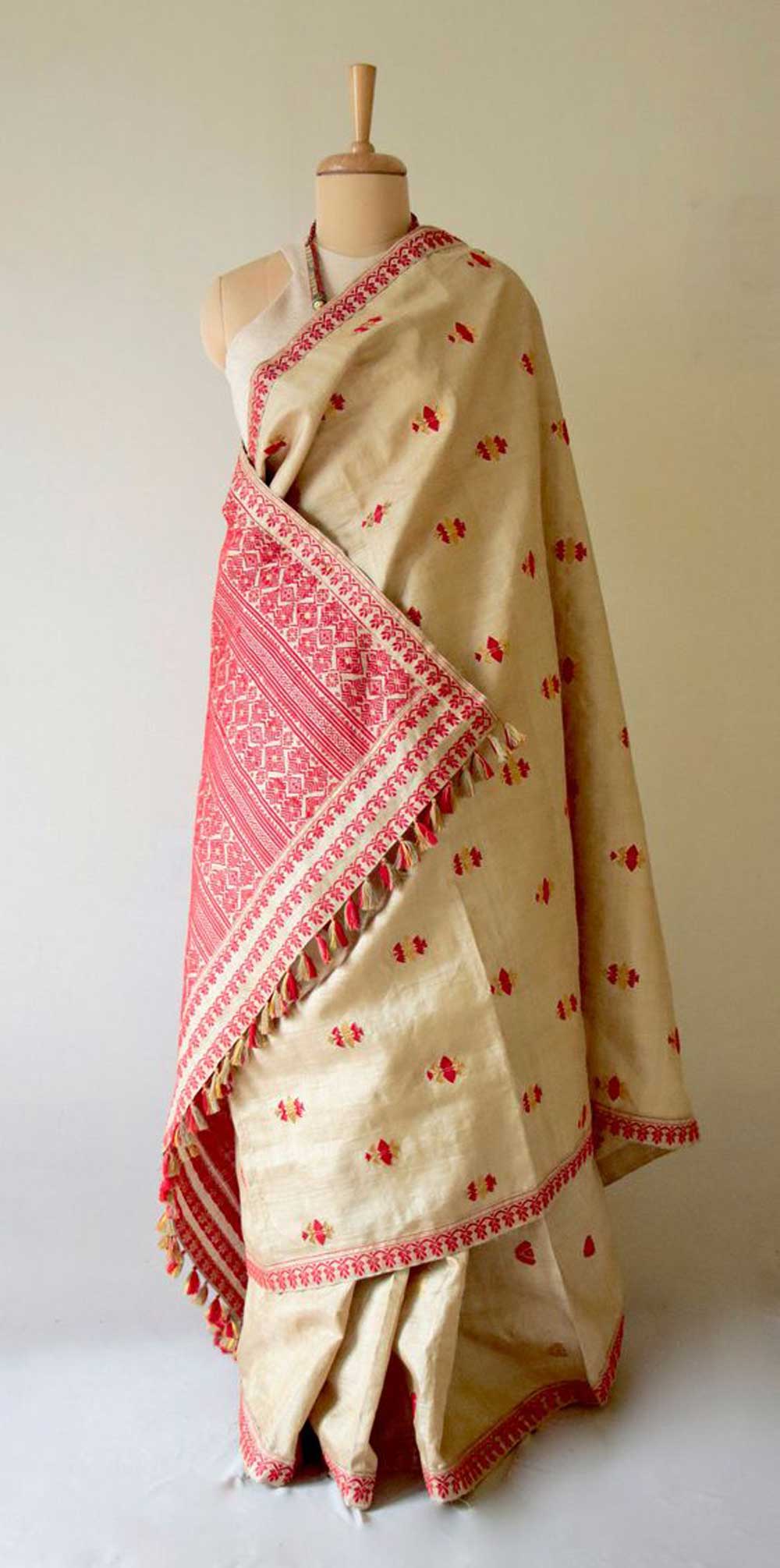
10. Muga Silk (Assam)
Features: Muga silk is known for its natural golden sheen and durability. The fabric is woven from the silk produced by the endemic Muga silkworms, making it unique and highly valued.
11. Manipuri (Manipur)
Features: Manipuri sarees often feature bold and colourful designs with traditional motifs. They are handwoven and are known for their distinct and vibrant patterns.
12. Pochampally Ikat (Andhra Pradesh/Telangana)
Features: Pochampally ikat involves a complex dyeing technique where the threads are dyed before weaving to create distinct patterns. The designs often feature geometric shapes and traditional motifs.
13. Kasavu (Kerala)
Features: Kasavu sarees are characterised by their off-white colour and gold borders. These sarees are typically worn during festivals and special occasions, symbolising purity and elegance.