A landmark study published in 2025 has laid bare a disturbing trend: in India, districts highly vulnerable to climate stress are now witnessing markedly poorer health outcomes for mothers and children.
What the Study Found
- Researchers looked at data from 575 rural districts, covering 154,547 children and 447,348 women, combining health-survey information with a district-level climate-vulnerability index.
- In districts classified as “highly climate vulnerable”:
- Children were 25% more likely to be underweight than peers in less-vulnerable districts.
- The odds of stunting rose by 15%, and wasting (low weight for height) increased by 6%.
- Women were 38% more likely to give birth outside health facilities, a stark sign of barriers to maternal care.
In short, climate vulnerability is now a measurable barrier to basic health and nutrition.
Why Climate Stress Matters
The climate-health link may not always be visible, but its impacts are deep and multilayered:
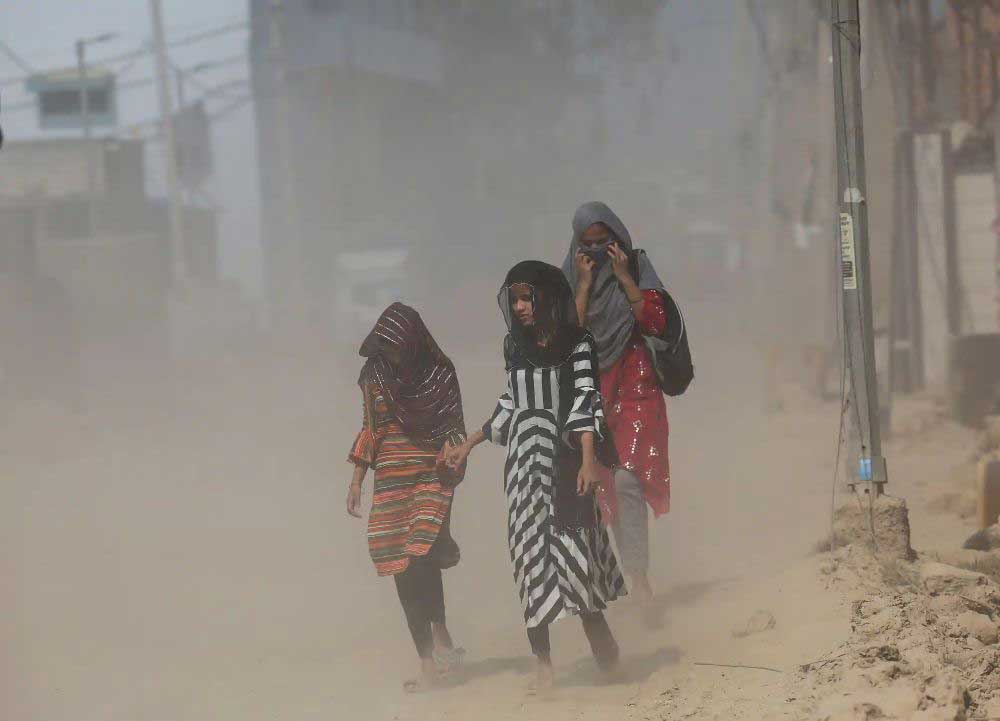
- Extreme weather events, floods, heatwaves, droughts, damage farmland, depress crop yields and destroy incomes. That means less food, poorer diets, and higher vulnerability to malnutrition.
- Disrupted access to healthcare: Roads get damaged, power fails, and transportation breaks down. In such conditions, reaching hospitals becomes hard, especially for labouring mothers.
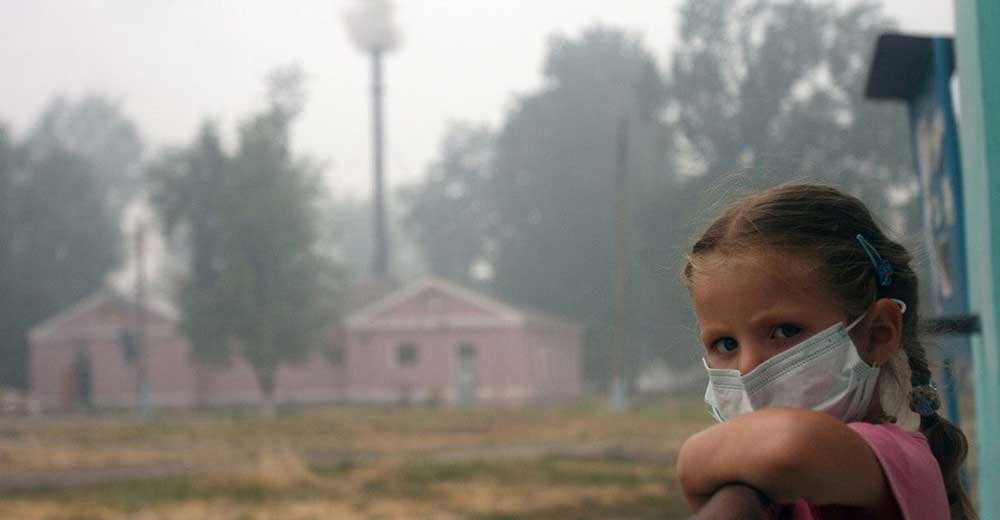
- Increased disease burden: Climate change aggravates vector-borne illnesses (like dengue or malaria), water-borne diseases, and seasonal infections, which hit children the hardest.
- Nutrition setbacks: Under stress, families struggle to recover from food or income losses. Illness reduces appetites and delays growth, pushing children from borderline nutrition status into underweight or stunted categories.
Why This Matters for India’s Future
For decades, India has worked to improve maternal care, reduce child malnutrition, and meet global health benchmarks. But this new evidence shows climatic stress threatens to reverse those gains.
The findings suggest that even when socio-economic conditions (income, education, infrastructure) remain the same, the added burden of climate vulnerability independently worsens outcomes. In other words: climate change isn’t just an environmental issue, it’s now a direct threat to public health.
What Needs to Be Done - Urgently
- Integrate climate-risk mapping into public health planning: Health policies must consider climate vulnerability when designing nutrition programmes, maternal care, disaster-response plans and infrastructure.
- Strengthen rural health systems: Build climate-resilient hospitals and clinics, ensure reliable transport (even during floods or storms), and maintain power/back-up systems for essential neonatal and maternal services.
- Prioritise food and water security: Support climate-resilient agriculture, safeguard water supply and sanitation, and protect livelihoods, especially in vulnerable rural districts.
- Expand community outreach and early intervention: Detect malnutrition early, provide maternal & child support during climate events, and ensure safe deliveries even under adverse conditions.
The evidence is clear: climate change has moved far beyond weather patterns. In many parts of India, it is now a structural driver of poor health, pushing more children into underweight and stunting, increasing non-institutional births, and threatening decades of progress in maternal and child wellbeing.
If climate resilience is not woven into health, nutrition and infrastructure policy, the cost will be borne by the most vulnerable.