A new peer-reviewed study published in Nature Cities on May 11 suggests that while much of the world is learning to separate economic growth from fossil fuel dependence, many Indian cities are still deeply tied to polluting models of development.
The study, conducted by researchers from the Norwegian Institute for Air Research, Tohoku University and Aalto University, analysed 5,435 cities globally between 2019 and 2024. Significant trends were identified in 2,475 cities, and the findings place Indian urban growth under uncomfortable scrutiny.
What the study found
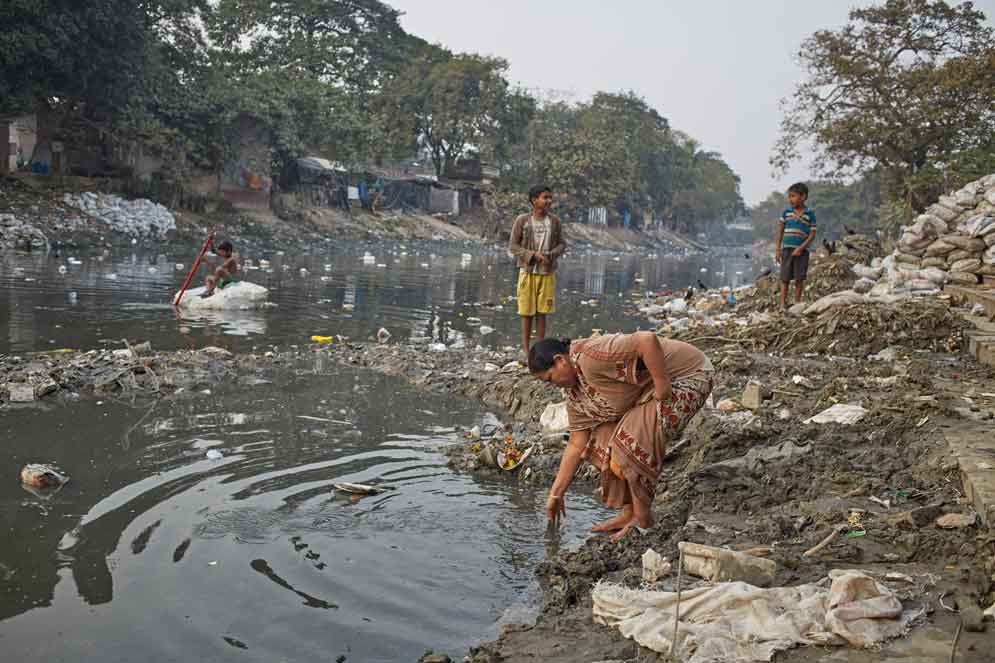
According to the researchers, nearly 80 per cent of cities worldwide are now experiencing what is known as ‘relative decoupling’, where economies continue to grow while pollution linked to fossil fuels either stabilises or declines. Most of these cities are located in China, Europe and North America. But the picture looks starkly different for India.
The study found that 16 per cent of cities, ‘mainly located in India and the Middle East’, are still experiencing fossil fuel-dependent growth. Even more concerning, about 35 per cent of cities categorised as ‘Brown’ are concentrated in India. These are urban centres where economic growth is directly tied to rising pollution.
The four categories: Where Indian cities stand
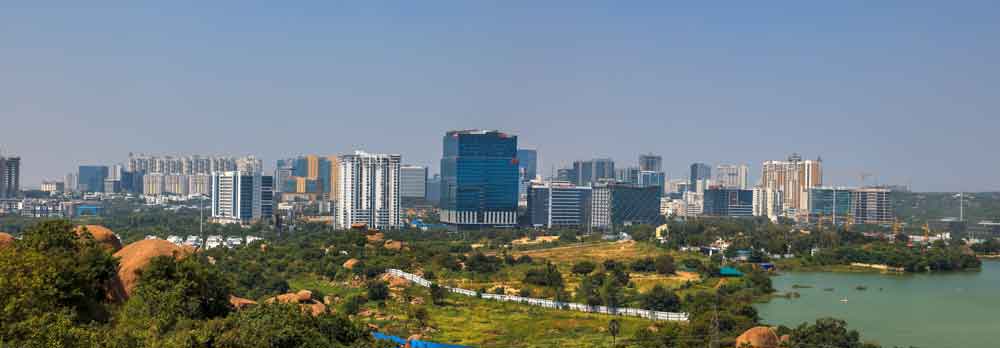
To understand urban sustainability patterns, researchers classified cities into four categories:
Green Cities: These are cities becoming richer while pollution declines. Economic growth is powered by cleaner energy, efficient infrastructure and stricter environmental policies.
Brown Cities: These cities are becoming richer, but pollution is increasing alongside economic growth. This is where a large number of Indian cities fall. According to the study, these urban centres rely heavily on automobile-dependent transport, heavy industry, fossil fuel-based electricity generation and urban sprawl.
Grey Cities: These cities are becoming cleaner, but their GDP is declining. Pollution reduces, but economic progress slows.
Red Cities: The most vulnerable category includes cities becoming both poorer and more polluted. Only 18 cities globally fell into this category, and two were in India.
The study noted that these cities showed rising nitrogen dioxide levels alongside stagnant or declining GDP, potentially linked to diesel generators, traffic growth and poorly regulated industrial activity.
All about the nitrogen dioxide problem
A major concern highlighted in the study is the rise in nitrogen dioxide (NO2) and Tropospheric Vertical Column Density (TVCD) across Indian cities.
In simple terms, NO2 is a toxic pollutant released largely from vehicle exhaust, coal-fired power plants, diesel generators and industrial emissions. Whereas TVCD measures the total concentration of these gases in the atmosphere over a specific area.
Researchers found that India, alongside the Middle East and Central Asia, had some of the highest increases in NO2 and TVCD. More than 15 per cent of surveyed Indian cities with populations above 100,000 showed significant increases in these indicators.
For Indian residents, this is not an abstract climate metric. It translates into toxic air, longer health burdens and increased vulnerability during extreme weather events.
What does ‘decoupling’ actually mean?
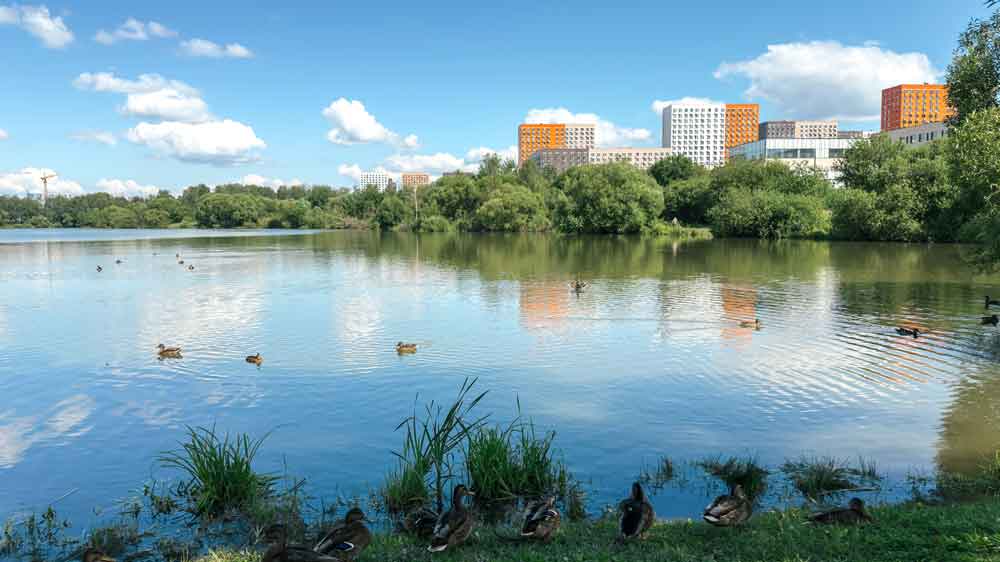
The study repeatedly refers to ‘decoupling’, a term often used in climate and sustainability discussions but rarely explained clearly.
Decoupling simply means growing the economy without proportionately increasing pollution and fossil fuel use. Decoupling could include expanding public transport instead of private car infrastructure, transitioning to renewable energy, improving building efficiency or even regulation of industrial emissions, while still increasing jobs, productivity and GDP.
In essence, the goal is cleaner prosperity rather than growth at any environmental cost.
So what can Indian cities do now?
The study reinforces a reality urban planners and climate experts have long warned about: economic growth alone cannot be the metric of urban success. If Indian cities want to avoid being locked into fossil fuel-heavy development, several shifts like investment in reliable public transport, walkable and mixed-use urban design, cleaner energy grids, stricter industrial regulation, better waste management, and large-scale electrification.