The diversity of Indian languages, music, dialects, clothing, and nearly everything else is intriguing. The same holds true for its festivals as well - one instance is Holi. You’ll be surprised to learn that Holi is observed with an entirely different zeal in the southern part of India than it is in the northern part of the country. This is part of what makes India the epitome of diversity. - The same festival is celebrated simultaneously in north, east, west and southern parts of the country, albeit referred to with different names and rituals as per the region. But we’re all bound together as a community by a festival!
Let’s take a peep into the unique styles of celebrating this vibrant festival in different parts of the country.
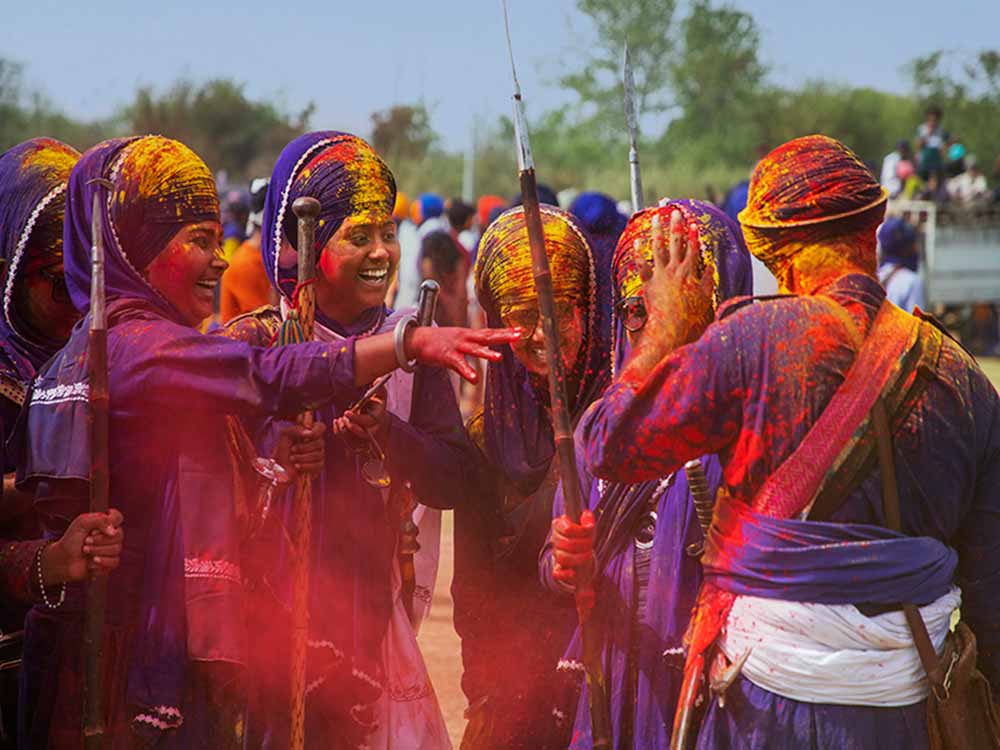
‘Holla Mohalla’ in Punjab
Nihang Sikhs celebrate Holla Mohalla one day after Holi. The purpose of the Holla Mohalla festival is to improve the martial arts skills of the community. In this region of the country, Holla Mohalla, also called Warrior Holi, is observed by warriors who participate in kushti, martial arts, mock sword fights, and other strength-related activities. The warriors display their bravery and power by pulling off these feats. Then they engage in poetry readings, followed by the customarily colourful Holi celebration.
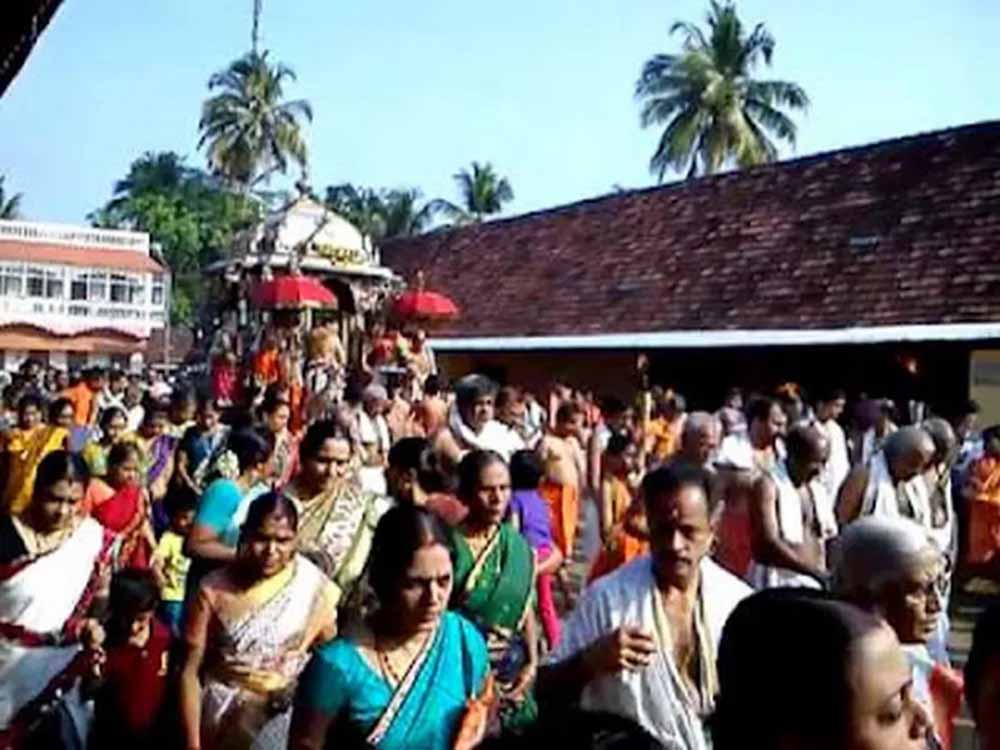
‘Manjul Kuli’ in Kerala
It’s interesting to note that the majority of Southern India does not celebrate Holi with the same fervour as Northern India. Only a few communities from this part of the country commemorate the festival of colour. In Kerala, Holi is known as Manjul Kuli, and it is observed at the Konkani Temple in Gosripuram Thiruma. While worshippers visit the temple on the first day, on the second day they dance to traditional folk music and squirt each other with turmeric-infused coloured water.
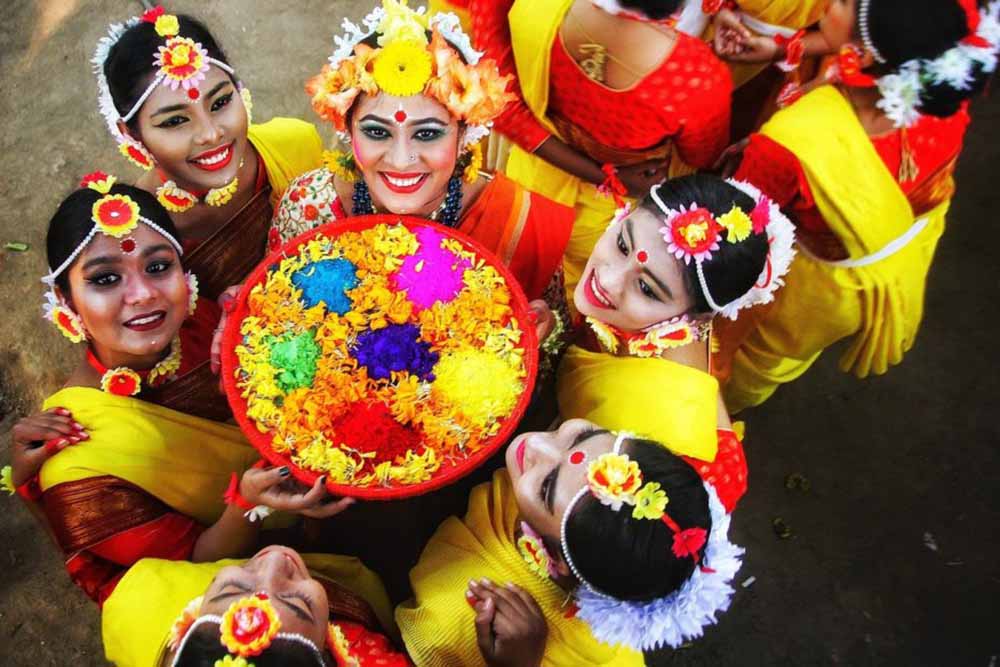
‘Dol Jatra’ in West Bengal
Basant Utsav, also known as Dol Jatra, is observed in West Bengal to bring in spring season. It’s a special celebration in Shantiniketan on this day. People assemble to worship Lord Krishna and perform pujas. Devotees place the idols of Radha and Krishna inside a palanquin that has been lavishly embellished with garlands, flowers, and foliage. Then the devotees swing the palanquin, dance, and sing hymns as they make their way through the procession. Men splatter coloured water and ‘abeer,’ or powder, as women sing hymns and dance around the swings.
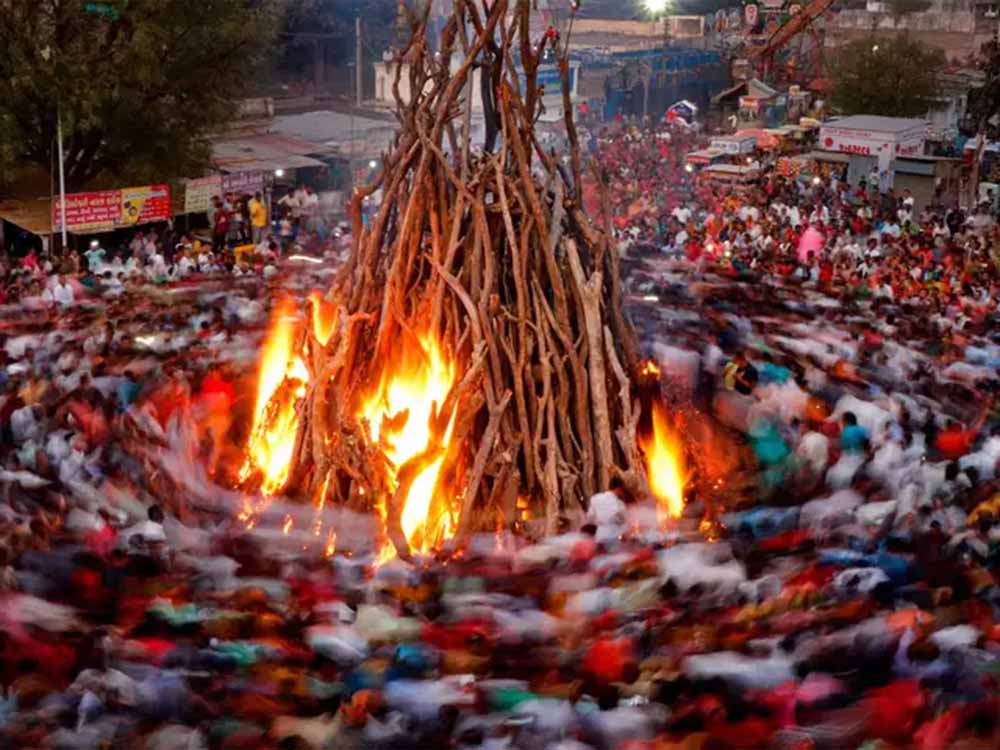
‘Rang Panchami’ in Maharashtra
This region enjoys the most thrilling Holi celebrations. Following the burning of the Holika effigy, which represents the triumph of good over evil, people begin their celebrations. On this day, people smear ‘gulal’, then douse each other with water. Additionally, the state’s most popular Holi delicacy is ‘Puran Poli.’
This diversity is unique to India, where one can witness how each festival is celebrated in a multitude of styles and traditions!
Image source: The Statesman, Utsav, Thinking the future