From free HPV vaccination drives and new digital safety laws to grassroots menstrual health programmes, here are five recent developments in 2026 that are helping create safer, healthier and more empowered lives for women in India.
1. Expanding Access to the HPV Vaccine
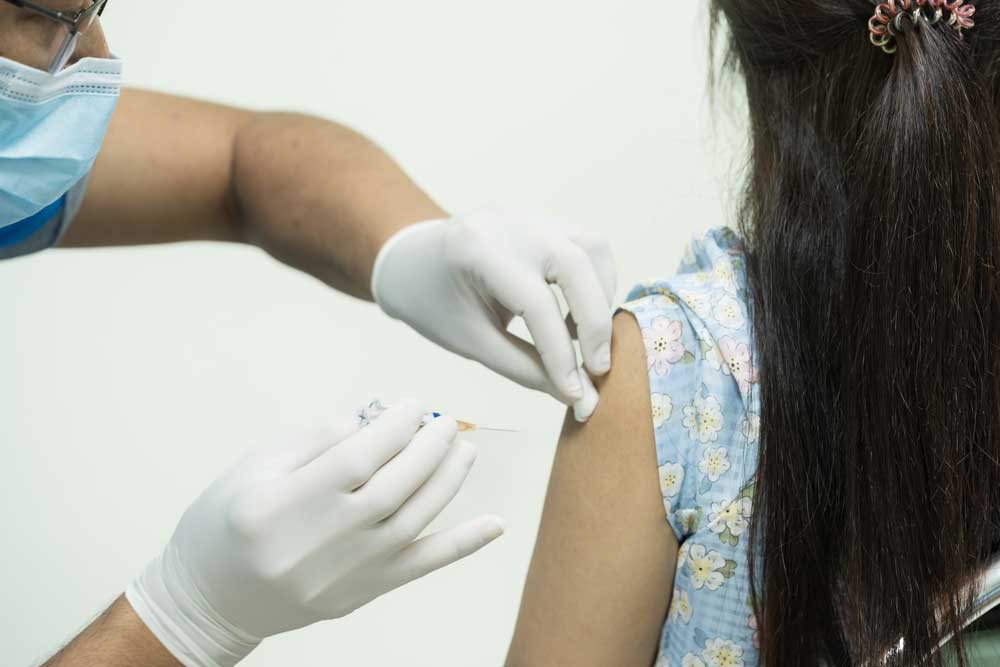
At an event held during Fit India Women’s Week 2026 in Jabalpur, Madhya Pradesh Chief Minister Mohan Yadav highlighted the state’s support for expanding access to the HPV vaccine for adolescent girls. The initiative aligns with the nationwide vaccination drive aimed at preventing cervical cancer, a disease that remains one of the most common cancers affecting women in India.
The HPV vaccine, commonly known through brands like Gardasil, can cost several thousand rupees in private clinics. Through the government-backed programme, eligible girls can now receive the vaccine free of cost, significantly widening access to preventive healthcare.
Officials have emphasised that early vaccination can dramatically reduce cervical cancer risk later in life, making this one of the most impactful public health interventions for women and girls in recent years.
2. A Community-Led Menstrual Health Initiative by Shiseido
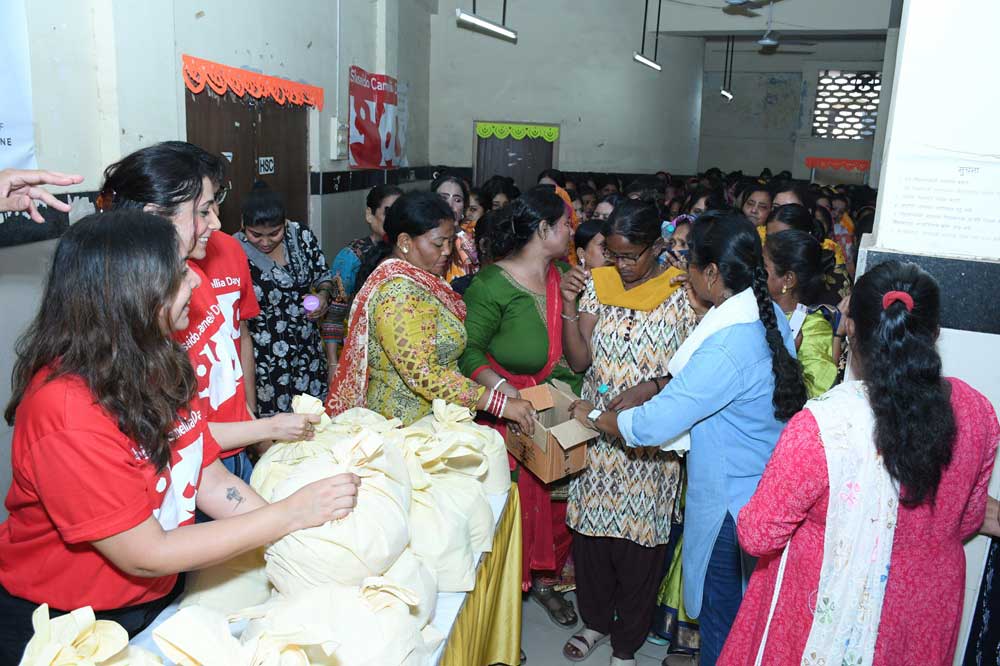
In Mumbai, Shiseido India launched a women’s health programme in partnership with the Rotary Club of Mumbai Coastline as part of the company’s global Camellia Day initiative.
The programme supports around 300 women in Kamathipura, combining menstrual health education, distribution of reusable menstrual cups and nutritional support. Volunteers and healthcare professionals conduct workshops that address menstrual hygiene, preventive healthcare and long-term wellbeing.
By distributing menstrual cups that can last up to ten years, the initiative also promotes sustainable menstrual practices, thus reducing both financial strain and environmental waste from disposable products. Beyond health access, the programme aims to foster greater awareness and dignity around menstrual health in underserved communities.
3. India’s Financial Inclusion Model Gains Global Recognition
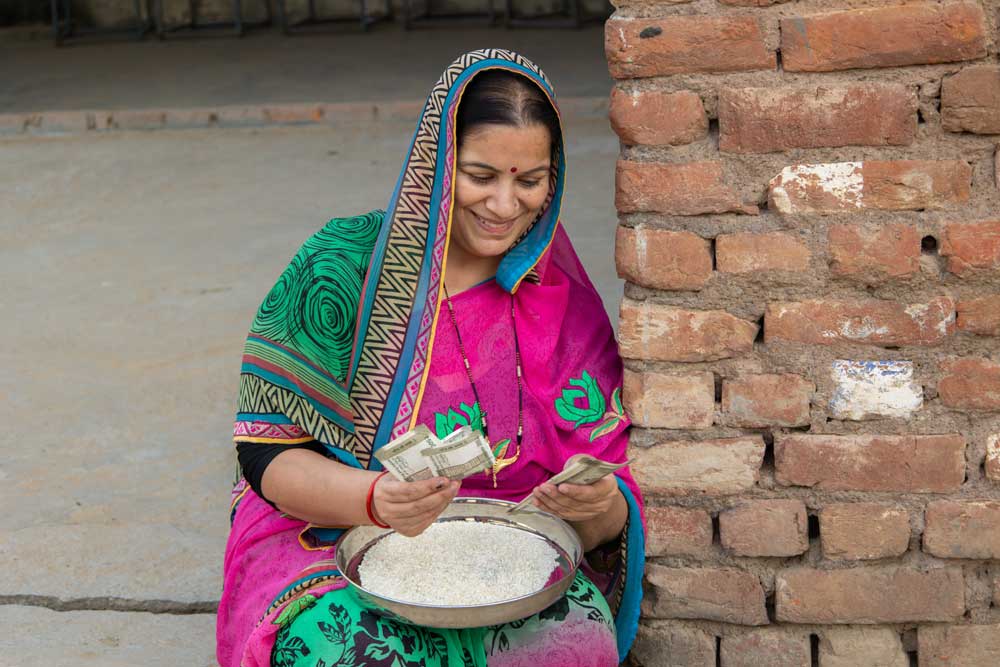
India’s efforts to bring millions of women into the formal banking system have drawn praise from UN Women, which recently highlighted the country’s approach as a global model for financial inclusion.
Through the government’s flagship scheme, Pradhan Mantri Jan Dhan Yojana, more than 290 million women now have access to bank accounts and digital financial services. Today, women hold 56 per cent of all accounts opened under the programme, marking a significant shift in economic participation.
Experts note that the initiative’s combination of digital identity systems, simplified banking requirements and financial literacy campaigns has helped remove longstanding barriers that kept women outside formal financial systems.
4. Self-Defence and Cyber Safety Programmes Across Delhi
Across several districts in Delhi on International Women’s Day, women’s safety initiatives recently took the form of self-defence workshops, cyber awareness drives and school outreach programmes.
Training sessions held in schools and community spaces taught girls basic self-defence techniques while also educating them about emergency response systems and legal protections. In Mandangir Village, workshops addressing “good touch and bad touch” were organised for young students, helping build awareness about personal safety from an early age.
Other programmes also focused on cybercrime awareness which is an increasingly urgent issue. These initiatives also honoured women police personnel and community leaders for their contributions to public safety, reinforcing the role of women both as protectors and advocates within their communities.
5. India’s Fast-Track Deepfake Takedown Rules
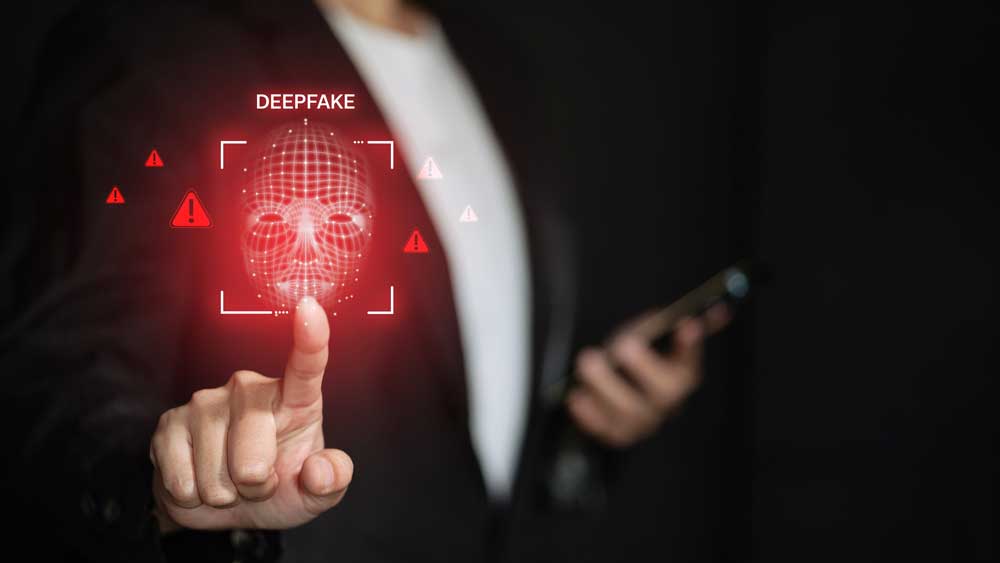
India has recently introduced some of the world’s fastest response rules for removing harmful deepfake content online, offering stronger protection for women in digital spaces. Under the updated IT (Intermediary Guidelines) Amendment Rules, platforms must remove synthetic or manipulated intimate imagery within two hours of receiving a complaint, which is a significant reduction from the earlier 24-hour window. The regulation specifically targets non-consensual intimate imagery, a form of online abuse that disproportionately affects women. Studies estimate that over 95 per cent of deepfake pornography victims are women, making swift takedown mechanisms crucial.
The rules also require platforms to label AI-generated content and face penalties for non-compliance, placing greater responsibility on tech companies to prevent digital harassment.