2025 stood out as a landmark year for Indian women across science, sustainability, policy, culture, and sports. From grassroots climate action and global film awards to historic sporting victories and transformative labour reforms, these moments reshaped narratives around leadership, equity, and possibility. Here’s looking back at the women and moments that changed the game in 2025.
Women in STEM
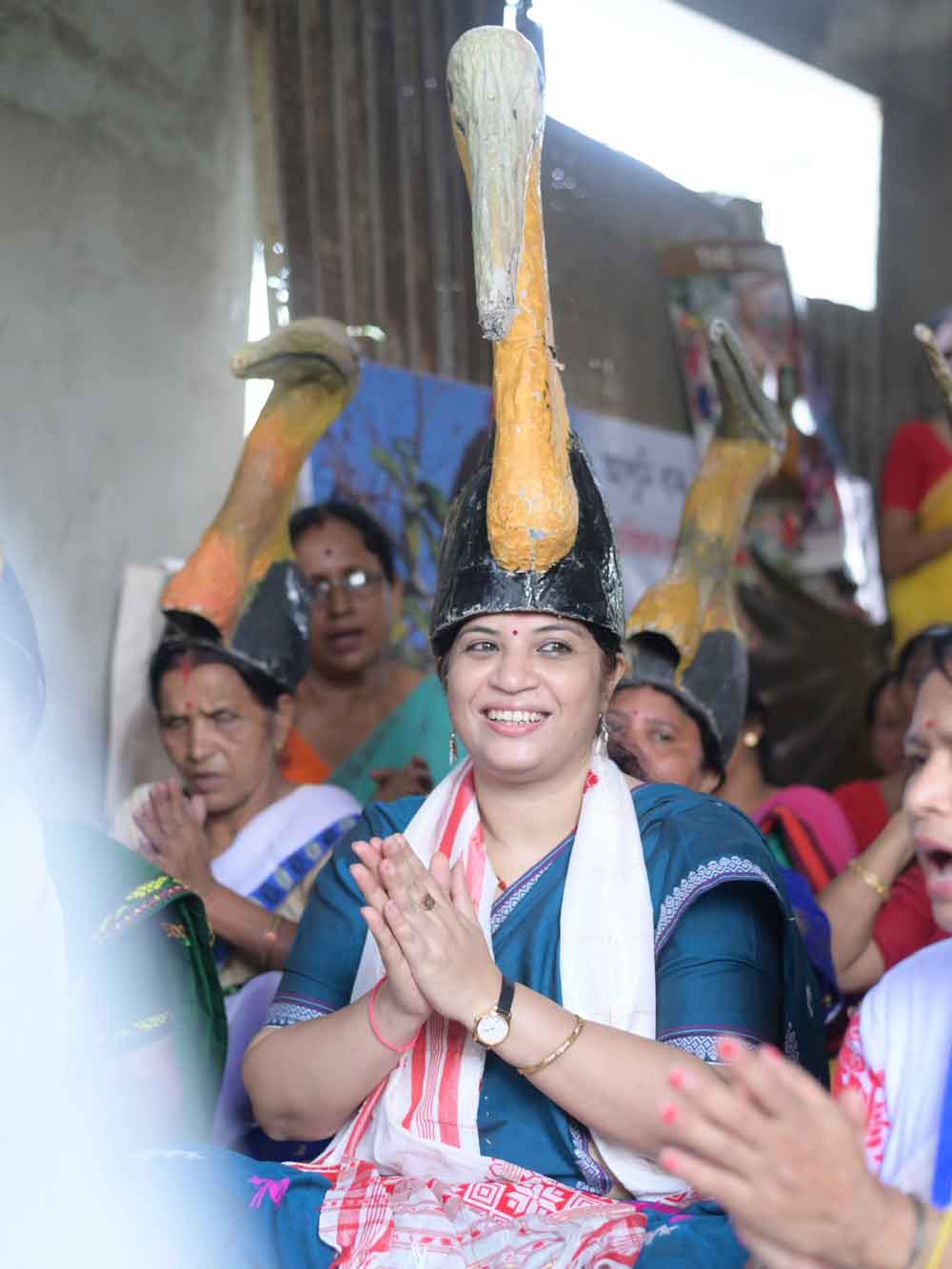
Purnima Devi Barman: A leading Assamese stork conservationist, Barman founded the women-led ‘Hargila Army’ to save the endangered Greater Adjutant stork. In 2025, she became the only Indian named in Time magazine’s Women of the Year list for her grassroots work. Her efforts (e.g. planting wetlands saplings and educating communities) moved the stork’s status from Endangered to Near‐Threatened and have empowered 10,000+ rural women.
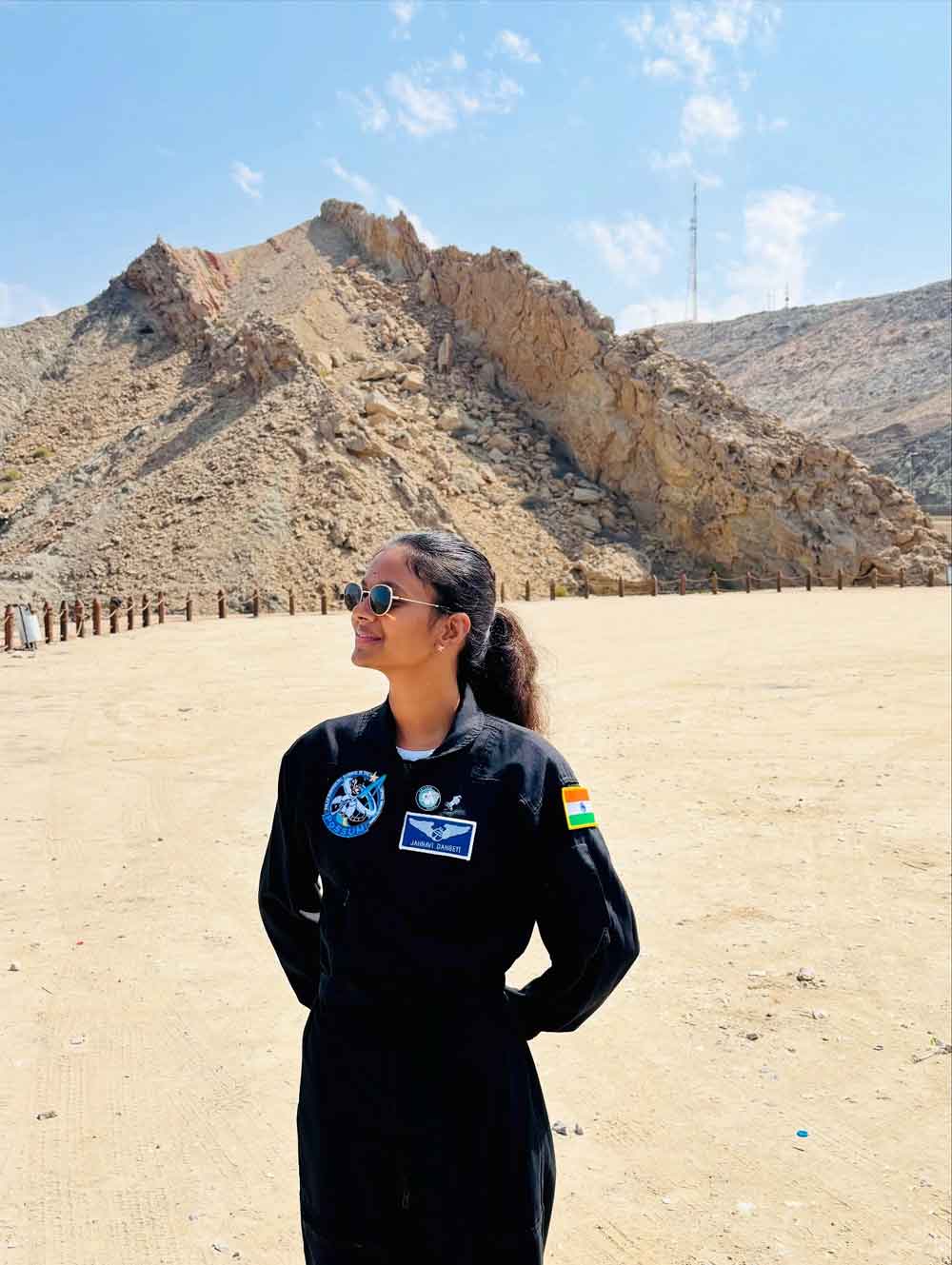
Dangeti Jahnavi: An electronics engineer from Andhra Pradesh, Jahnavi Dangeti made history in 2025 as the first Indian to complete NASA’s International Air & Space Program (IASP) and was selected as an astronaut candidate for the Titan Orbital Port Space Station mission (scheduled for 2029).
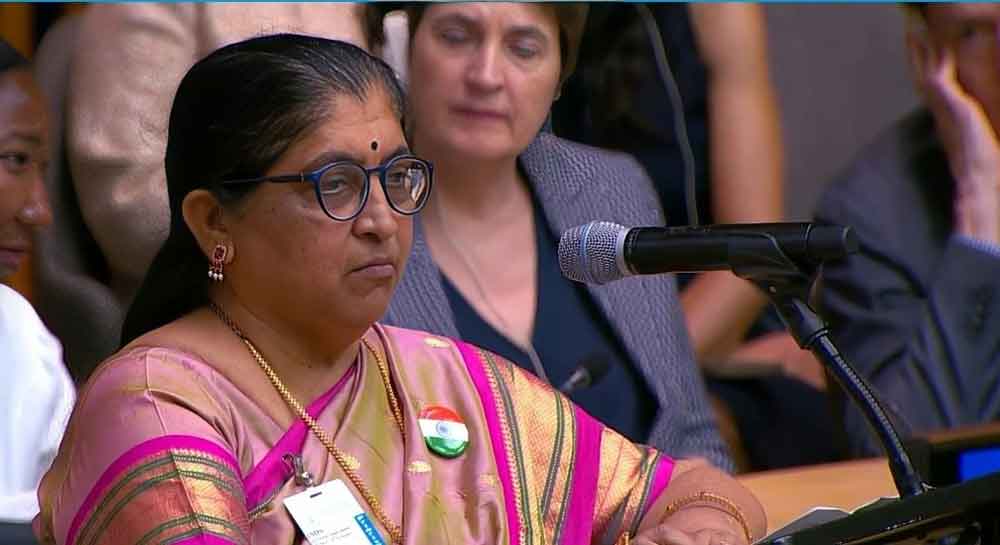
Dr Neerja Bhatla: Dr Bhatla is a distinguished Indian gynaecologist and obstetrician, widely respected for her lifelong contributions to women’s healthcare in India. In 2025, she was conferred the Padma Shri, one of the country’s highest civilian honours, in recognition of her pioneering work in gynaecology, particularly in advancing cervical cancer prevention, screening, and women-centric public health initiatives.

Policy and Rights
Labour Law Reforms: In November 2025, India implemented four consolidated labour codes with new protections for women. Key provisions include 26 weeks of paid maternity leave (with full pay and benefits) and equal wages during leave, along with extending maternity benefits to adoptive and commissioning mothers. The laws also mandate anti-discrimination in hiring/wages, allow women to work night shifts with safe transport and facilities, require creche support and nursing breaks, and ensure women’s representation on workplace committees. Officials say these measures aim to boost women’s workforce participation and create a more inclusive work environment.

Varsha Deshpande: Dalit activist Varsha Deshpande won the 2025 United Nations Population Award (individual category). Founder of Dalit Mahila Vikas Mandal, she has spent over 35 years leading dozens of sting operations and legal campaigns against illegal prenatal sex-selection in Maharashtra. The UN honour recognises her tireless grassroots work empowering women and girls’ rights and challenging gender-biased practices in India.
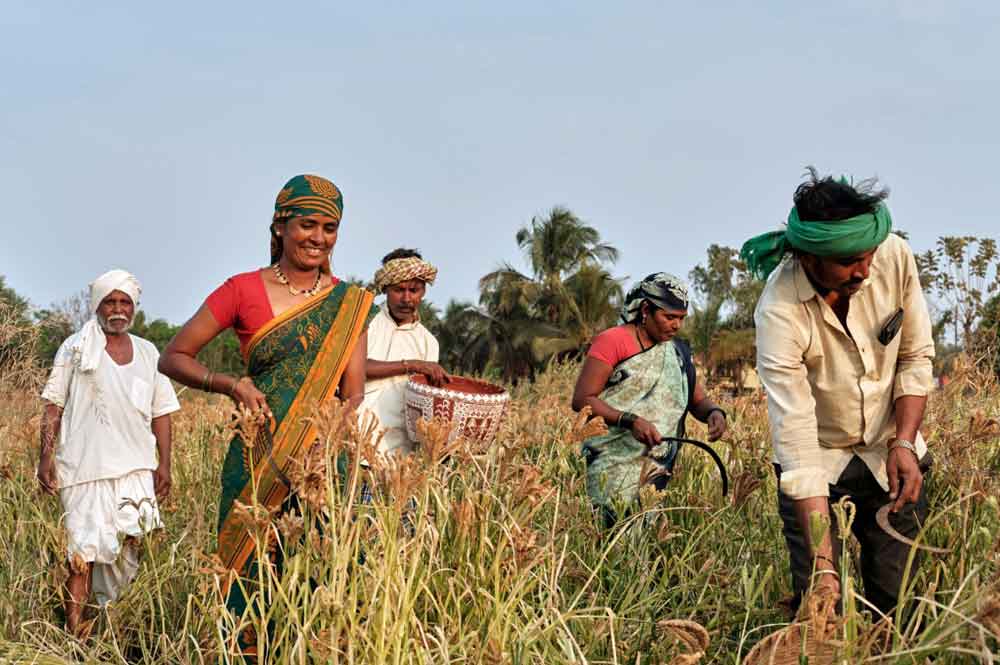
Bibifathima Swa Sahaya Sangha: This women-led farmers’ collective in Karnataka won a 2025 UNDP Equator Prize for climate action. Originating as a savings group of 15 women, it now supports over 5,000 farmers across 30 villages through multi-cropping, solar-powered processing units, and seed banks that preserve over 250 indigenous crop varieties. By blending traditional knowledge with regenerative practices, the group is restoring biodiversity, strengthening food security, and empowering rural women as ‘agripreneurs,’ exemplifying community-driven climate resilience.
Culture and Arts
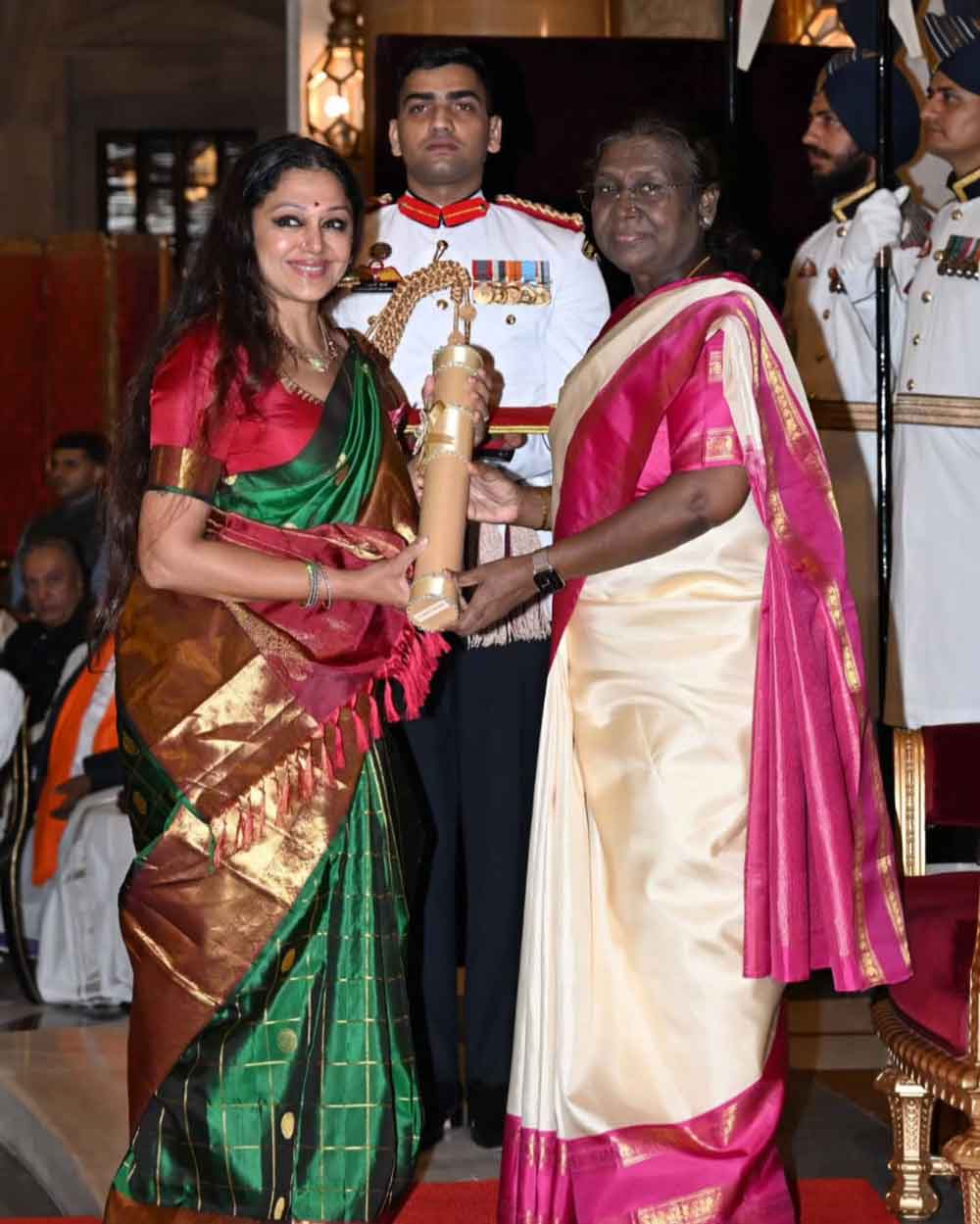
Shobana Chandrakumar: In January 2025, the Government of India announced Shobana Chandrakumar, a celebrated Bharatanatyam dancer, as a Padma Bhushan, recognising her ‘distinguished service of high order’ in the performing arts. Her career blends classical dance with popular cinema, making her a cultural icon in India. The Padma honour, one of India’s highest civilian awards, reflects her decades-long impact on Indian culture through both her dance scholarship and screen performances
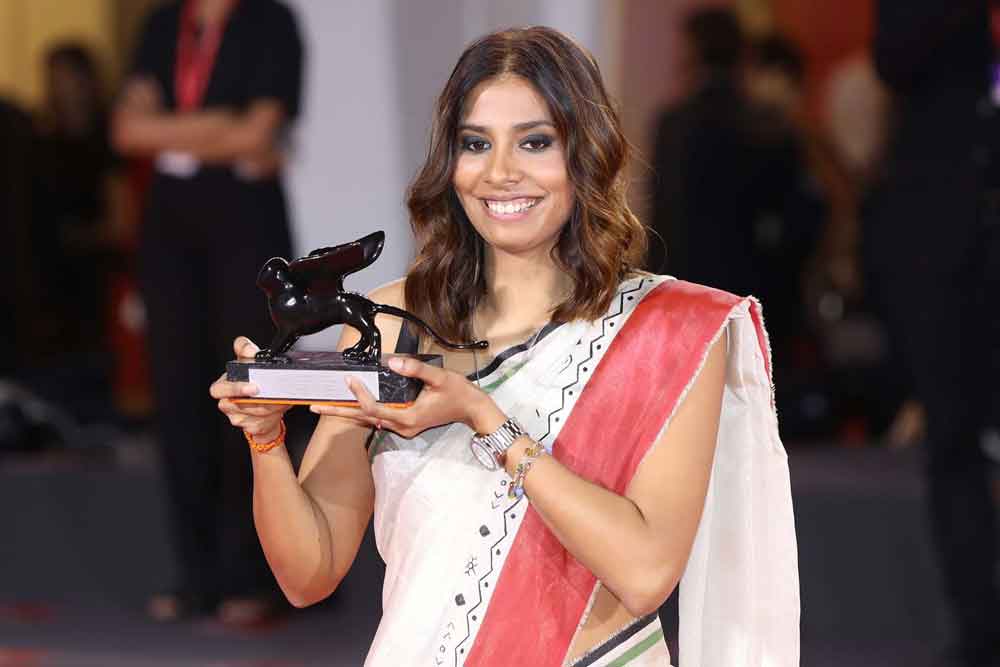
Anuparna Roy: A film director and screenwriter, Roy made a remarkable international debut in 2025 with her first feature film, ‘Songs of Forgotten Trees’. She won the Best Director award in the Orizzonti (Horizons) section at the 82nd Venice International Film Festival. The film stood out for its nuanced narrative and sensitivity towards memory, landscape, and human emotion.
Banu Mushtaq: Kannada novelist Banu Mushtaq won the 2025 International Booker Prize for Heart Lamp, becoming the first writer in that language to receive the honour. These milestones brought unprecedented international recognition to Indian women creators, highlighting diverse Indian voices on world stages.

Sports and Adventure
ICC Women’s Cricket World Cup: India’s women’s team, led by Harmanpreet Kaur, clinched the 2025 ICC Women’s World Cup, its first-ever title. In the November final at Navi Mumbai, Deepti Sharma’s five-wicket haul and Shafali Verma’s aggressive 87 runs powered India to a 52-run win over South Africa. This historic victory marked a milestone for Indian sports, reflecting the team’s rise on the world stage.
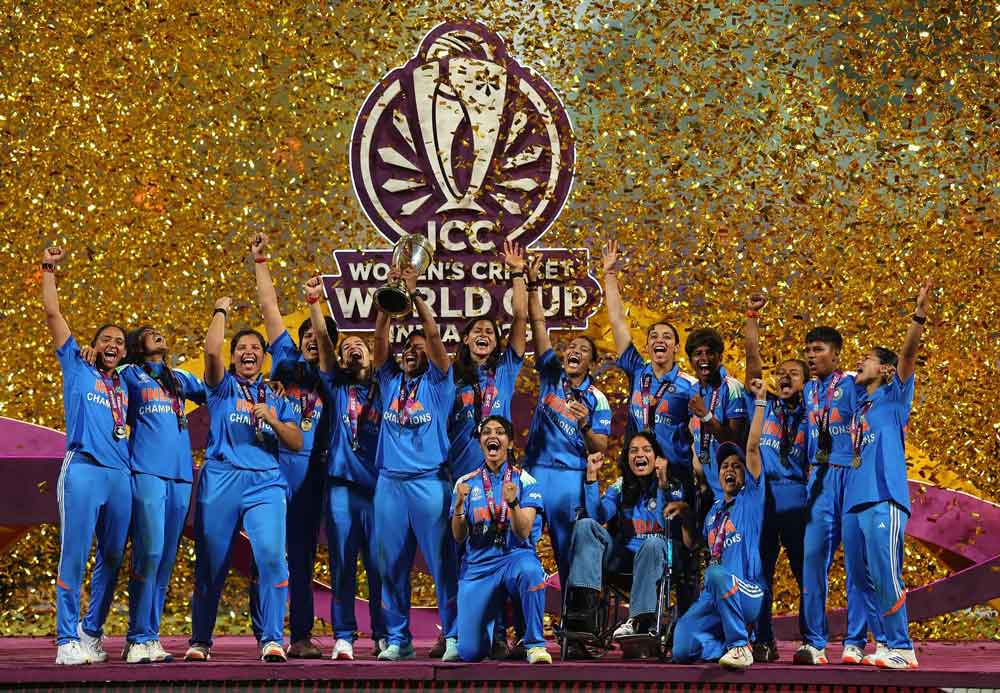
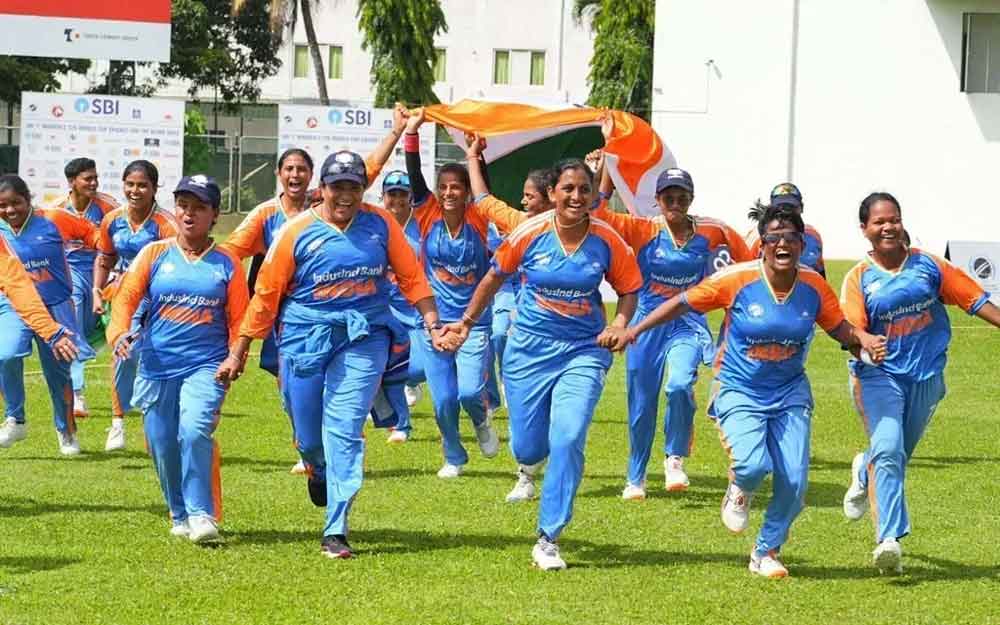
Blind Women’s Cricket Team: The Indian team made history by winning the inaugural ICC T20 World Cup for Blind Women in November 2025. The Indian blind women’s cricket team’s triumph (the first-ever T20 world title in blind women’s cricket) highlights the inclusivity and growing success of differently-abled Indian athletes on the global stage.
Chhonzin Angmo: Chhonzin Angmo, a blind tribal woman from Himachal Pradesh, scaled Mt. Everest in May 2025, becoming the first visually-impaired Indian woman (and fifth globally) to reach the summit. She planted the Indian flag at the peak, and her feat has been hailed nationwide as a symbol of determination and empowerment for people with disabilities.

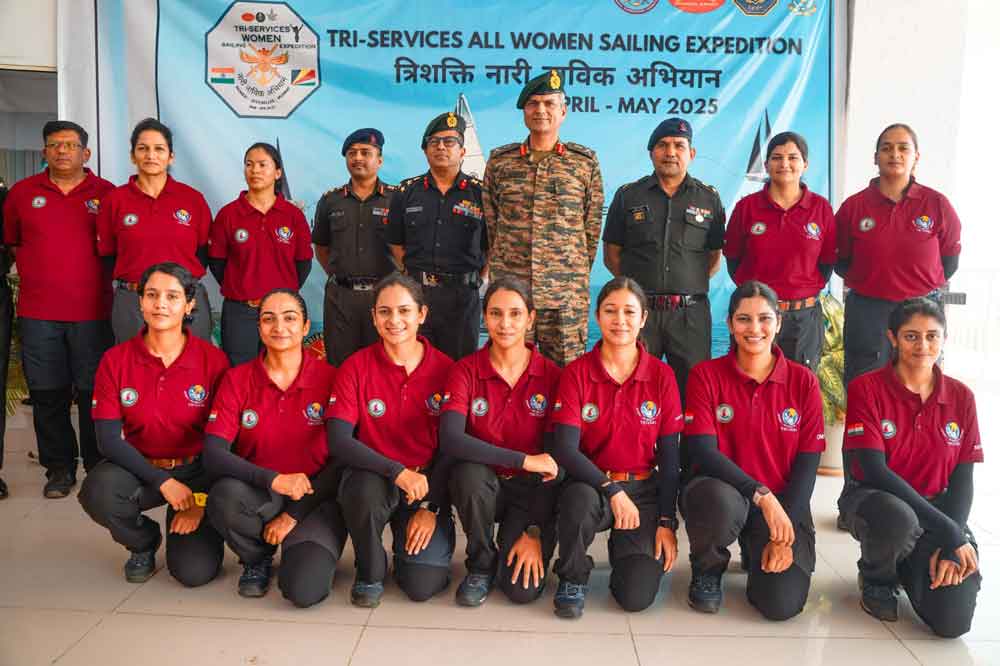
All-Women Sailing Expedition: In April 2025, India launched a tri-service all-women sailing mission. Eleven women officers from the Army, Navy and Air Force sailed the 56-foot INSV Triveni on a 1,800-nautical-mile voyage to Seychelles. Over two months at sea, they completed the first-ever international open-sea mission by an all-women team in the Indian Armed Forces. The expedition was celebrated as a milestone of ‘Nari Shakti’ in defence, underscoring women’s growing operational role.