
 home
home HERoes
 StrongHER
 exclusive
 bizruptors
 connect
 showcase
 engage
 grow
grow goals
goals period goals
 fertility and pregnancy goals
 diet and fitness goals
 finance goals
 help
help contest
 about us


Two Indian Women Win The ‘Green Oscars’
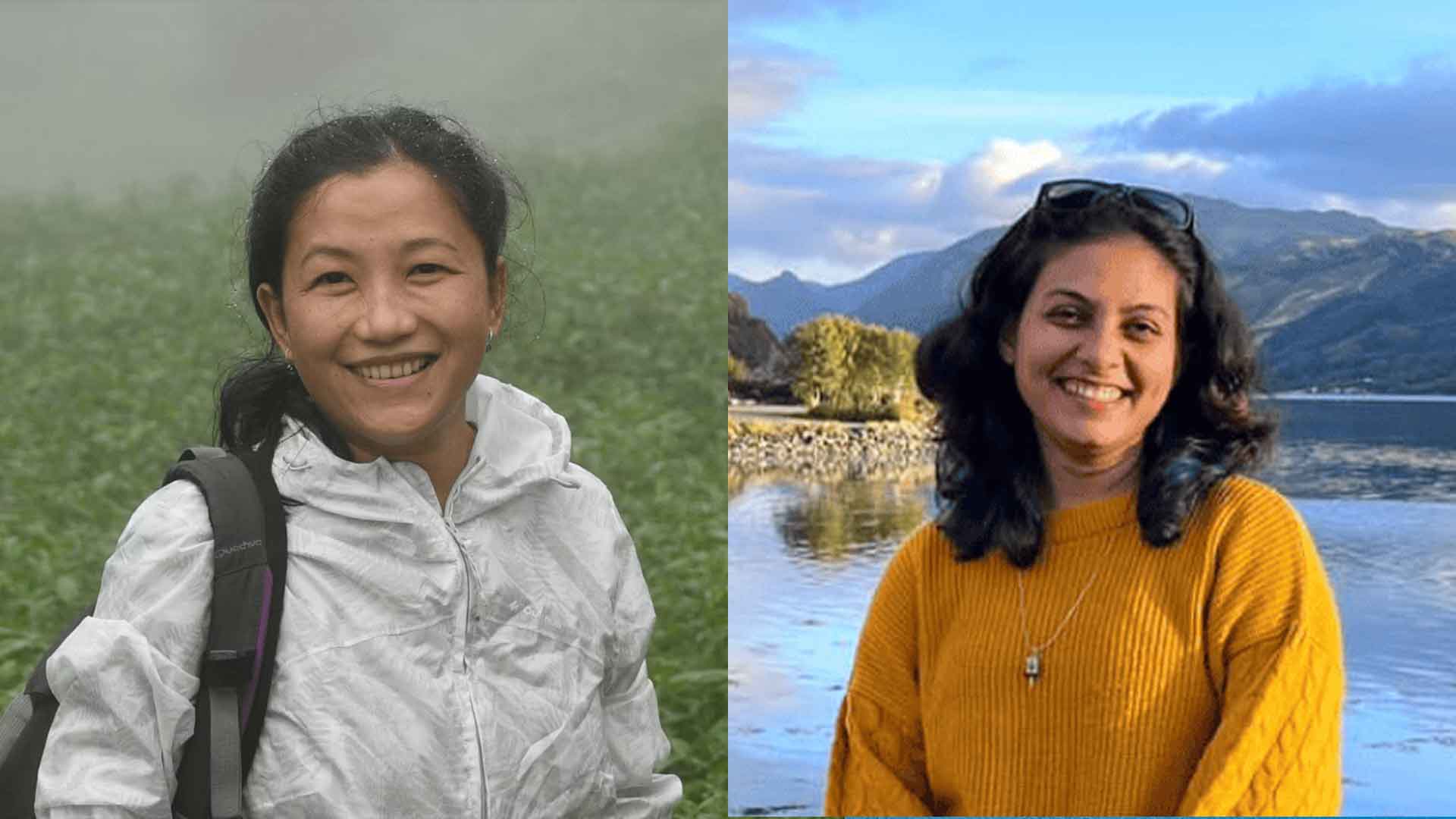
The Whitley Fund for Nature announced Parveen Shaikh and Barkha Subba as two of the six winners of the 2026 Whitley Awards, popularly known as the ‘Green Oscars’. The spotlight was on these two Indians as the honour was conferred at the Royal Geographical Society by Princess Anne of the UK. Their work across muddy riverbanks and fragile Himalayan wetlands, showcases how women can lead conservation from the ground up. The Whitley Awards are among the world’s most respected honours in grassroots conservation. Often dubbed the ‘Green Oscars,’ they recognise leaders from the Global South who combine science with community-driven solutions. Winners receive funding of £50,000 pounds and global visibility to scale their impact.
Rivers & Birds
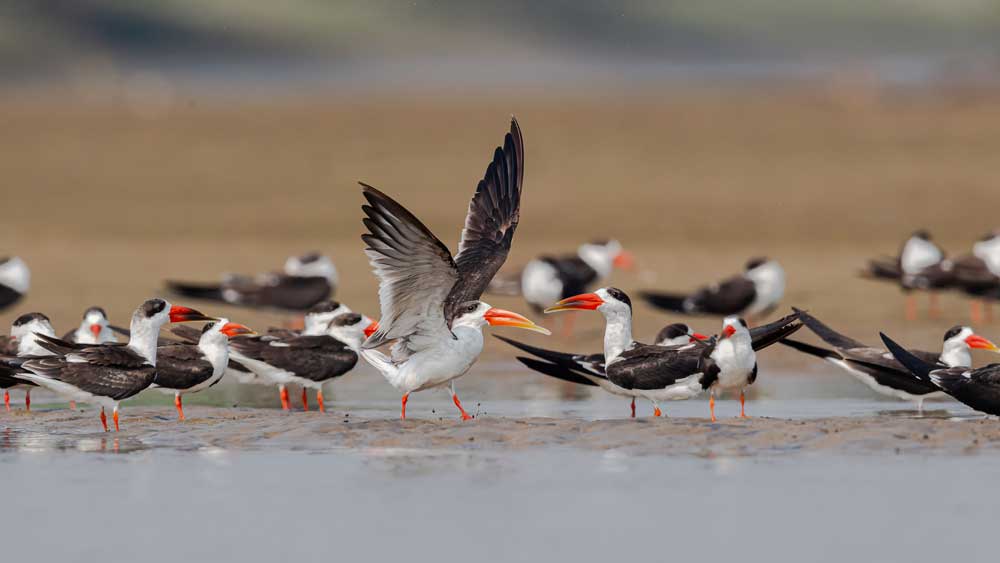
Parveen Shaikh’s story begins along India’s great rivers. Her focus is the endangered Indian skimmer, a striking black-and-white bird whose survival now depends largely on India’s river ecosystems. Once widespread across South Asia, the skimmer has been pushed to the brink by habitat degradation and human disturbance. Now, over 90 per cent of its population (3,000 skimmers) lies in India. Instead of relying solely on policy or enforcement, Shaikh pioneered a community-led model of ‘nest guardians.’ This initiative trains and empowers local residents along the Chambal river to monitor nesting sites, protect breeding grounds, and become stakeholders in conservation itself. Nest survival has increased from 14 per cent to 27 per cent under this model. Conservation in these areas now blends livelihood along with ownership and pride. The funds from the Whitley Award will now enable Shaikh to expand this initiative to the Ganga basin in Prayagraj. Her approach has already shown measurable success and offers a scalable blueprint for river conservation across South Asia.
In The Misty Hills

Thousands of kilometres away, in the landscapes of the Darjeeling hills, Barkha Subba’s mission centres on the elusive Himalayan salamander, a rare amphibian often described as a relic of an ancient world. Found only in select wetlands of the eastern Himalayas, the salamander, which has thrived for millions of years, now faces threats from shrinking habitats, pollution, and climate change. Of their countless breeding sites, only 30 now remain.
Like Shaikh, Subba has placed people at the heart of conservation. Working with local communities such as tea garden workers, she is restoring wetlands, removing invasive species, monitoring breeding cycles, and raising awareness about sustainable land use. Many of these wetlands are also culturally significant, tied to local beliefs and traditions. By aligning conservation with cultural values, Subba ensures that protection efforts are not imposed from outside but grow organically from within. She has also combined scientific techniques in screening for the deadly chytrid fungal disease, which has caused extinction of many amphibian species around the world.
Women At The Forefront Of Conservation
Across India and the world, women are increasingly leading the charge in conservation and sustainability. In rural India, they are frequently the primary collectors of water, fuel, and forest resources. This proximity gives them a unique understanding of ecological shifts and a strong incentive to protect natural systems. Studies and field experiences have shown that when women are involved in conservation community participation improves, resource management becomes more sustainable and long-term outcomes are more resilient.
The achievements of Parveen Shaikh and Barkha Subba build on a legacy of Indian women who have earned global recognition for environmental leadership. One such trailblazer is Purnima Devi Barman, who received the 2024 Whitley Gold Award for her extraordinary work with the endangered Greater adjutant stork. Barman transformed a bird once considered a bad omen into a symbol of community pride in Assam. Through grassroots mobilisation, especially among rural women, she created a powerful conservation movement that combined culture, education, and livelihood support.
Awards like the Whitley Awards are important, but they are not the end of the story. They are catalysts, bringing attention, funding, and credibility to efforts that often go unnoticed. The real work now continues in expanding community networks, scaling conservation models and navigating the complex challenges of climate change and development.