India’s Pickle Story Began Long Before It Became A Business
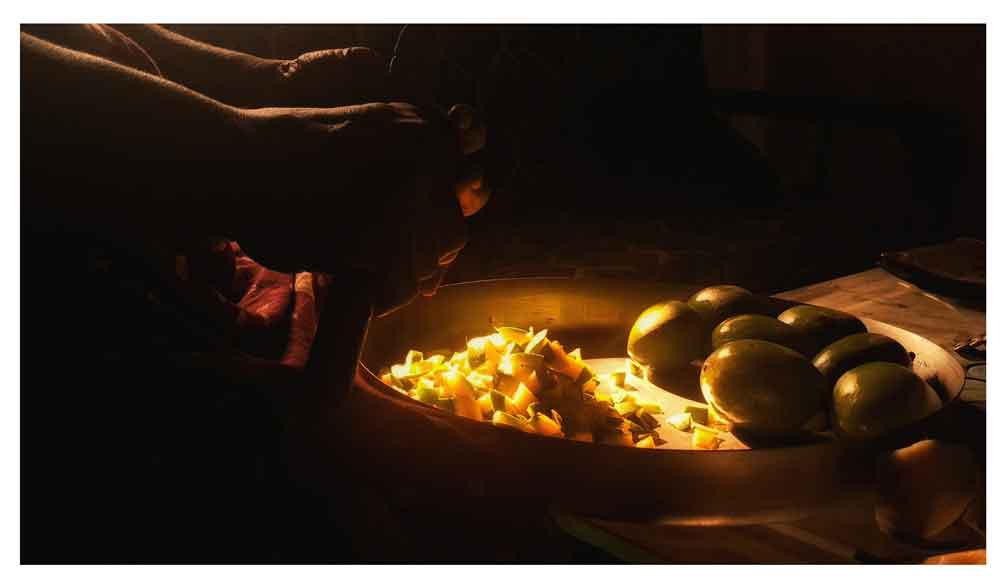
Long before artisanal brands, Instagram food stores, or online orders existed, Indian households relied on pickles as an essential form of food preservation.
Seasonal fruits and vegetables were carefully sun-dried, salted, spiced, and stored in ceramic jars to survive changing weather conditions and periods of scarcity. Mangoes in summer, lemons during monsoon, gooseberries in winter, every region developed its own pickling traditions shaped by climate, produce, and local spice cultures.
And at the centre of this entire system were women.
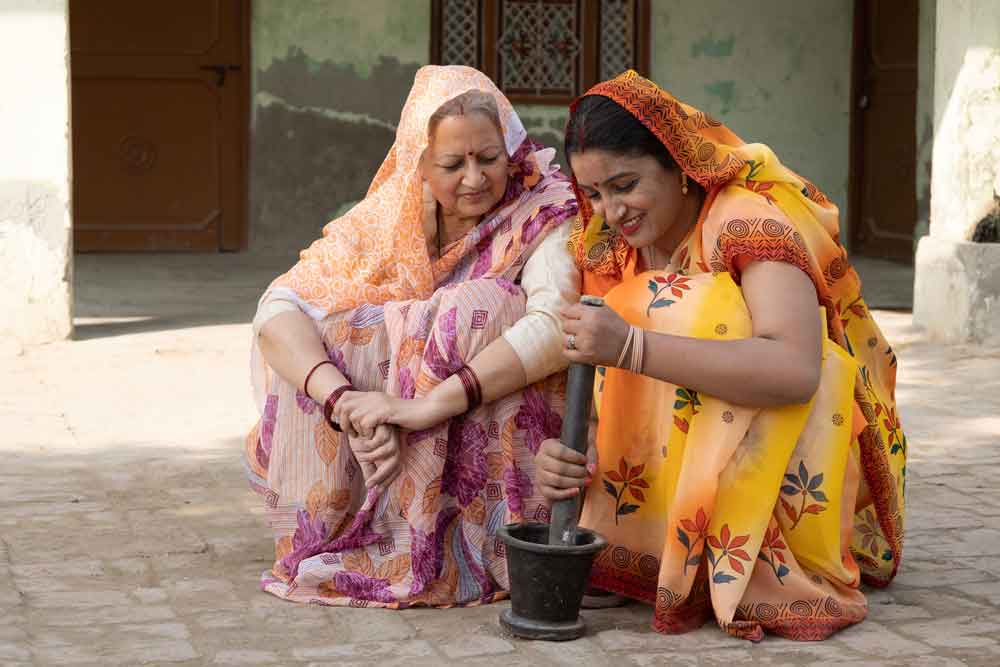
For centuries, pickle-making remained unpaid domestic labour performed almost entirely by mothers, grandmothers, daughters, and daughters-in-law. Recipes were rarely written down; they were taught through observation, instinct, and repetition. Women became the custodians of preservation techniques, spice combinations, and regional food identities, even though the work itself was never seen as economic contribution.
But over time, something shifted.
As women began selling extra batches within neighbourhoods and local markets, pickle-making slowly moved beyond household consumption. What started as small informal exchanges evolved into income-generating activity, eventually laying the foundation for one of India’s most quietly powerful women-led cottage industries.
The Rise Of India’s Pickle Economy
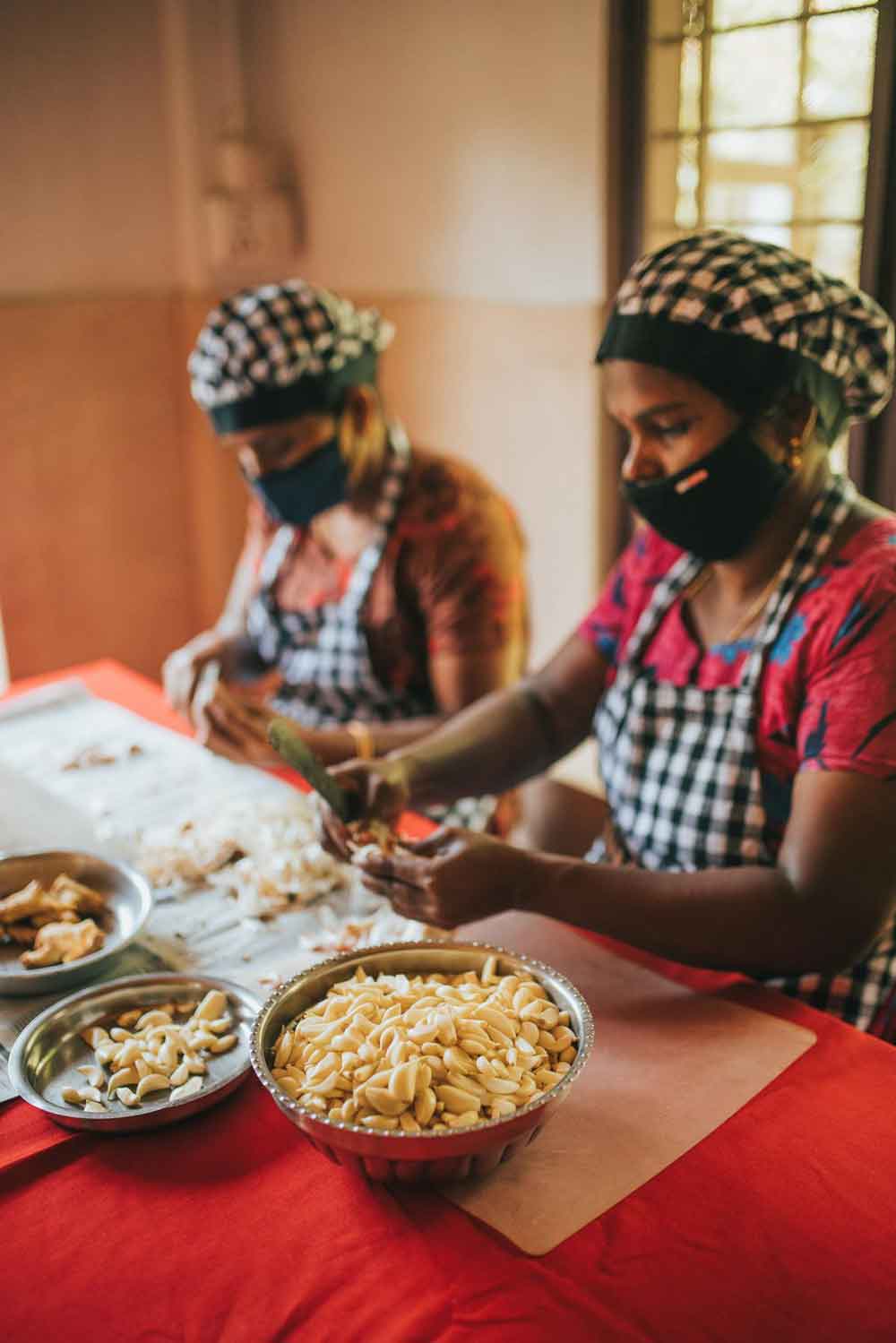
India’s pickle revolution did not emerge from factories or corporate food chains. It grew from home kitchens, self-help groups (SHGs), and women’s collectives looking for accessible ways to earn income using skills they already possessed.
By the 1990s and early 2000s, the rise of women-led self-help groups across rural India created new opportunities for collective food entrepreneurship. Pickles became one of the most accessible products to commercialise because they required relatively low investment, relied on locally available ingredients, and built upon existing culinary knowledge.
Soon, women across states like Kerala, Andhra Pradesh, Maharashtra, Jharkhand, and Nagaland began producing pickles not just for families, but for local markets, exhibitions, cooperatives, and community networks.
What had once been invisible household work was slowly turning into economic agency.
Kerala’s Women-Led Pickle Collectives Are Preserving Tradition
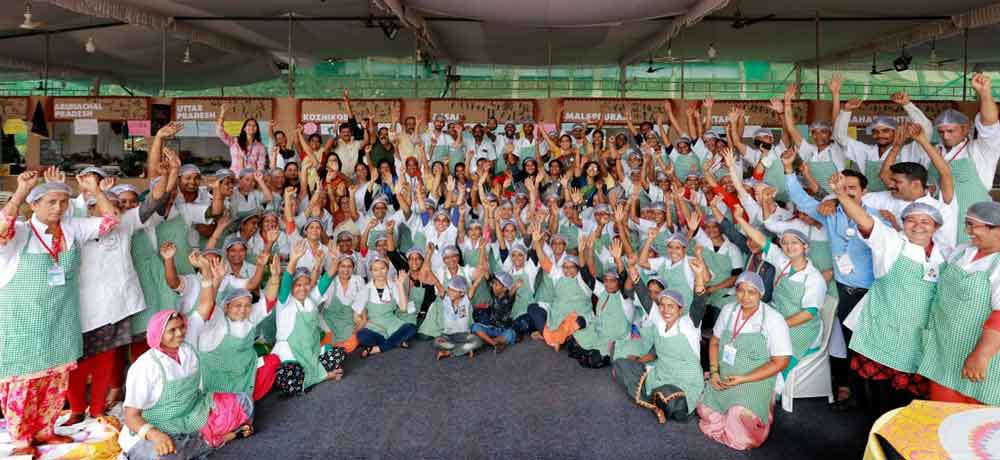
In Kerala, women-led initiatives under the Kudumbashree network played a major role in transforming homemade food production into sustainable livelihood models.
Launched in 1998, Kudumbashree became one of India’s largest women empowerment and poverty eradication programmes, creating opportunities for women through community enterprises and self-help groups.
Food production, especially pickles, curry powders, and traditional condiments, became a major source of income for many Kudumbashree units across the state. Women began producing regional varieties using homemade recipes while collectively managing preparation, packaging, and sales.
Over the years, these collectives helped turn Kerala’s traditional pickling culture into a thriving cottage industry rooted in local flavours and women-led entrepreneurship.
Andhra Pradesh’s ‘Pickle Village’ Built An Entire Local Economy
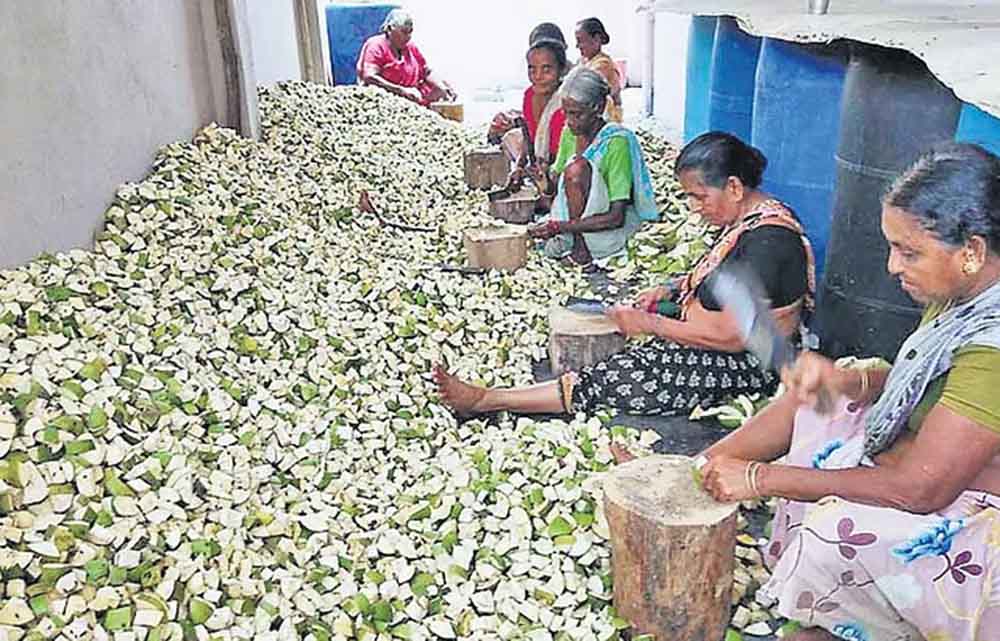
Few places represent India’s pickle economy more strongly than Usulumarru village in Andhra Pradesh.
Often referred to as a “pickle village,” the area has relied on pickle-making for over four decades. Families across the village participate in the production cycle, but women remain central to every stage, from ingredient preparation and spice blending to bottling, packaging, and distribution.
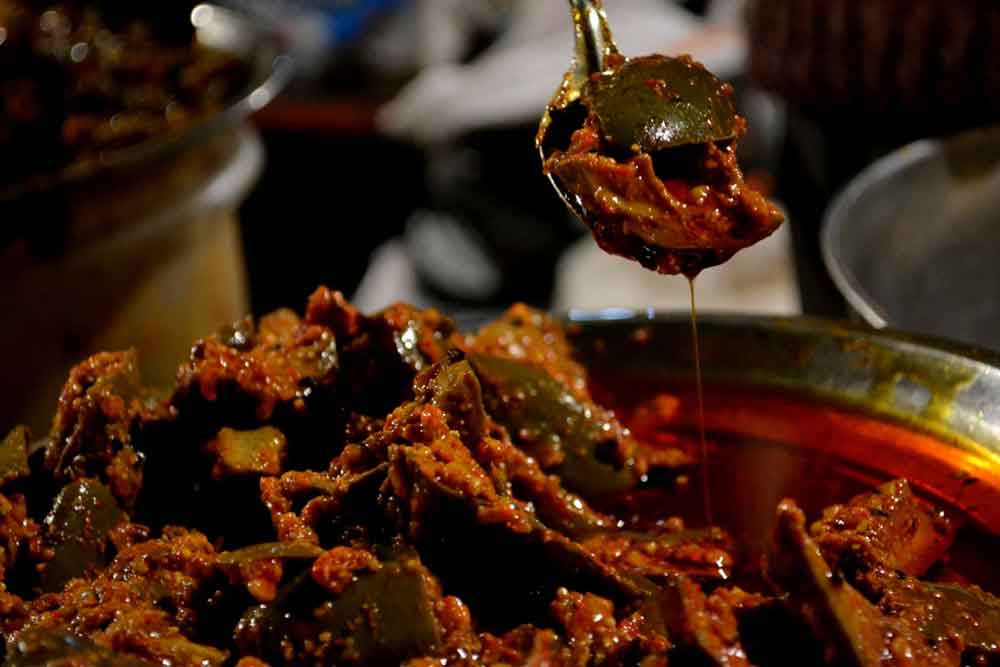
The industry supports hundreds of households and demonstrates how traditional culinary skills can evolve into an entire local economic ecosystem.
Unlike urban food startups, these businesses were built collectively over generations, with knowledge passed through families and communities rather than formal culinary institutions.
SHGs And Community Brands Are Fueling The Next Wave
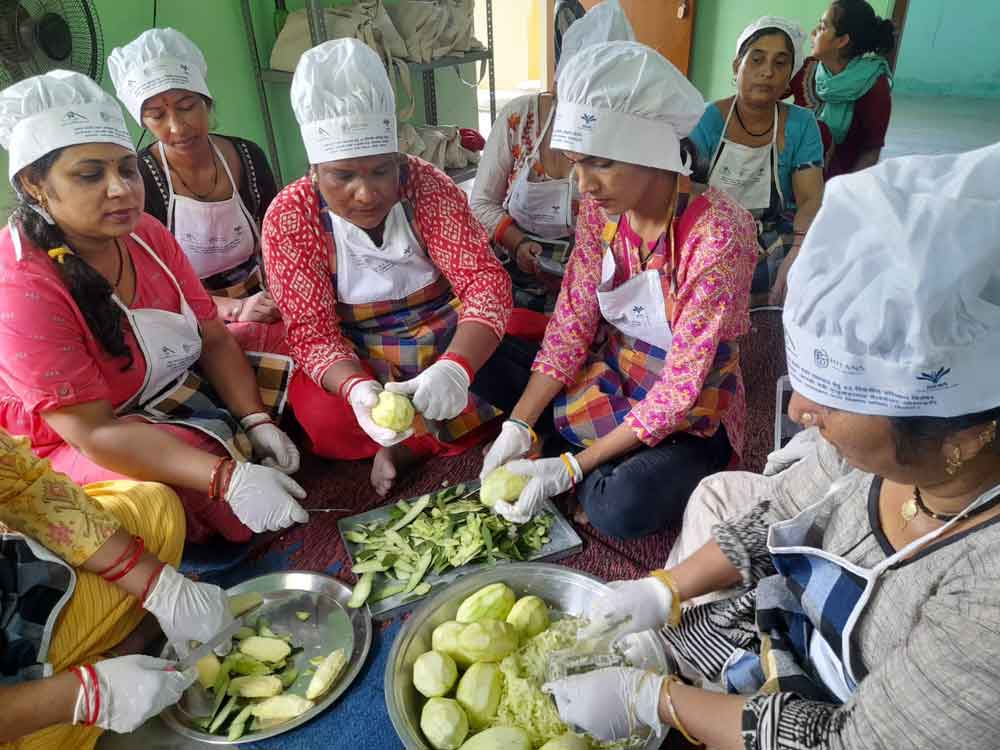
Across India today, women-led pickle businesses continue to grow through self-help groups, cooperatives, and local food enterprises.
In Jharkhand, women-run SHG collectives are using pickle-making as part of rural livelihood programmes, helping women generate income while preserving regional recipes.
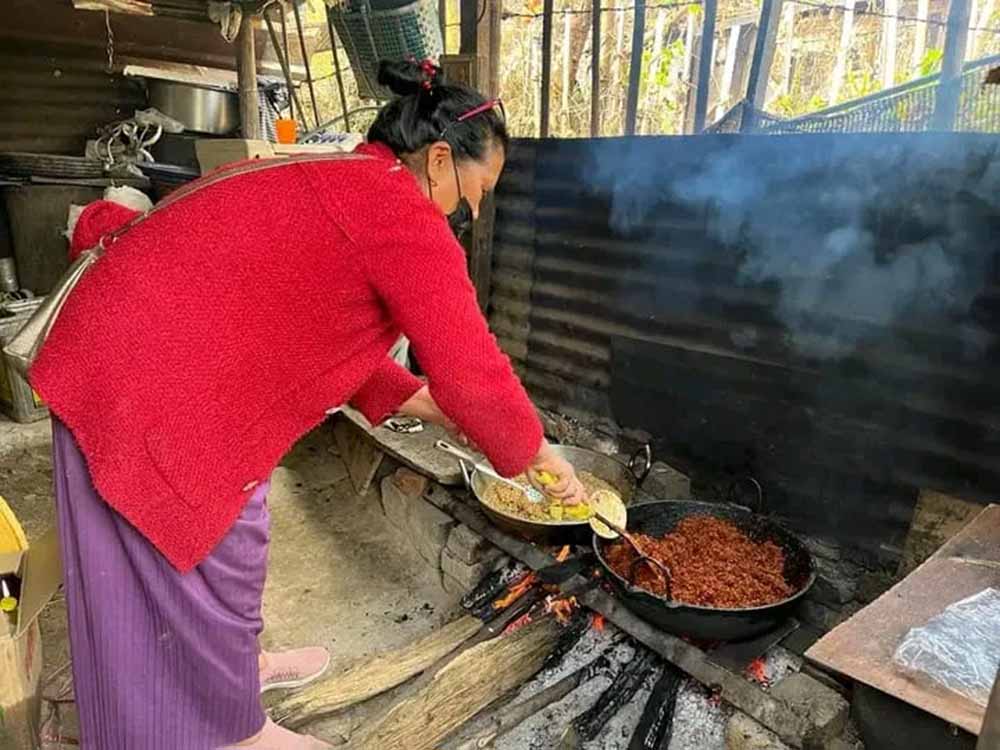
In Nagaland, community-led brands like PHEK FLAVOURS are promoting indigenous pickling traditions and local produce while creating employment opportunities for women in the region.
Across Maharashtra and other states, small homegrown pickle brands are thriving through WhatsApp orders, housing society networks, flea markets, and Instagram stores rather than relying on traditional retail chains.
For many women, digital platforms have removed the need for expensive storefronts or large infrastructure, allowing them to run flexible businesses directly from home kitchens.
Why The Pickle Industry Remains Deeply Women-Led
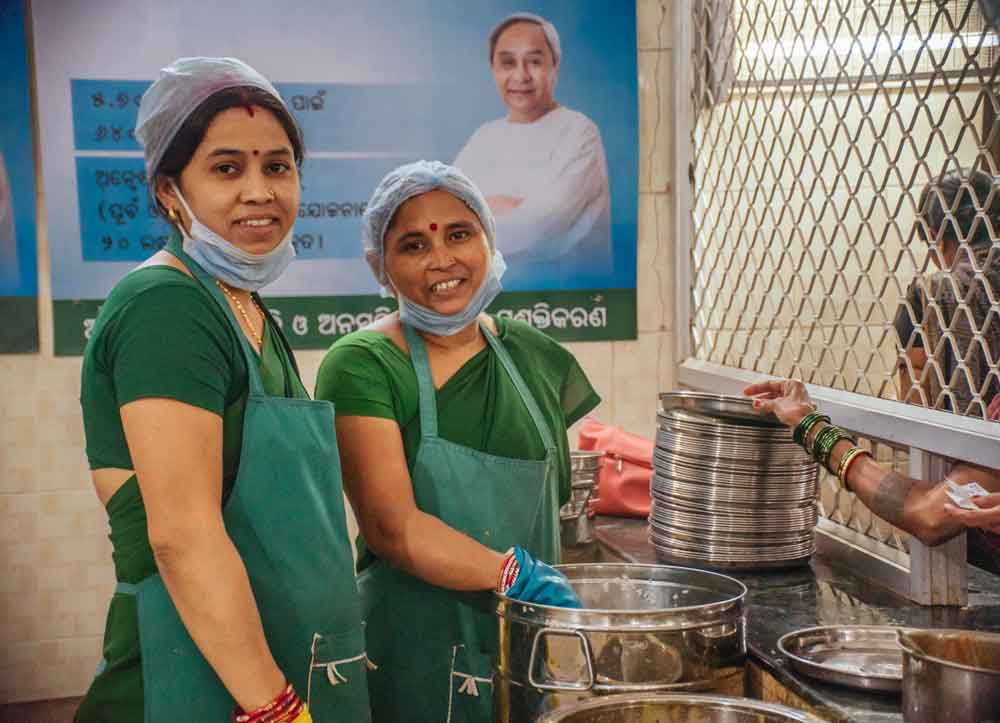
The pickle economy remains uniquely women-driven because the industry itself is built on inherited domestic knowledge.
For generations, women were responsible for understanding seasonal preservation, balancing spice ratios, and maintaining recipes specific to communities and regions. Even though this labour was often dismissed as routine kitchen work, it required expertise, patience, and precision.
Today, that same knowledge is being recognised as entrepreneurial skill.
Startups and rural collectives are also helping professionalise the sector by offering women training in hygiene practices, packaging, branding, and digital selling. This has allowed many small-scale businesses to scale operations while still preserving traditional methods and regional authenticity.
More Than A Food Trend, This Is A Quiet Social Shift
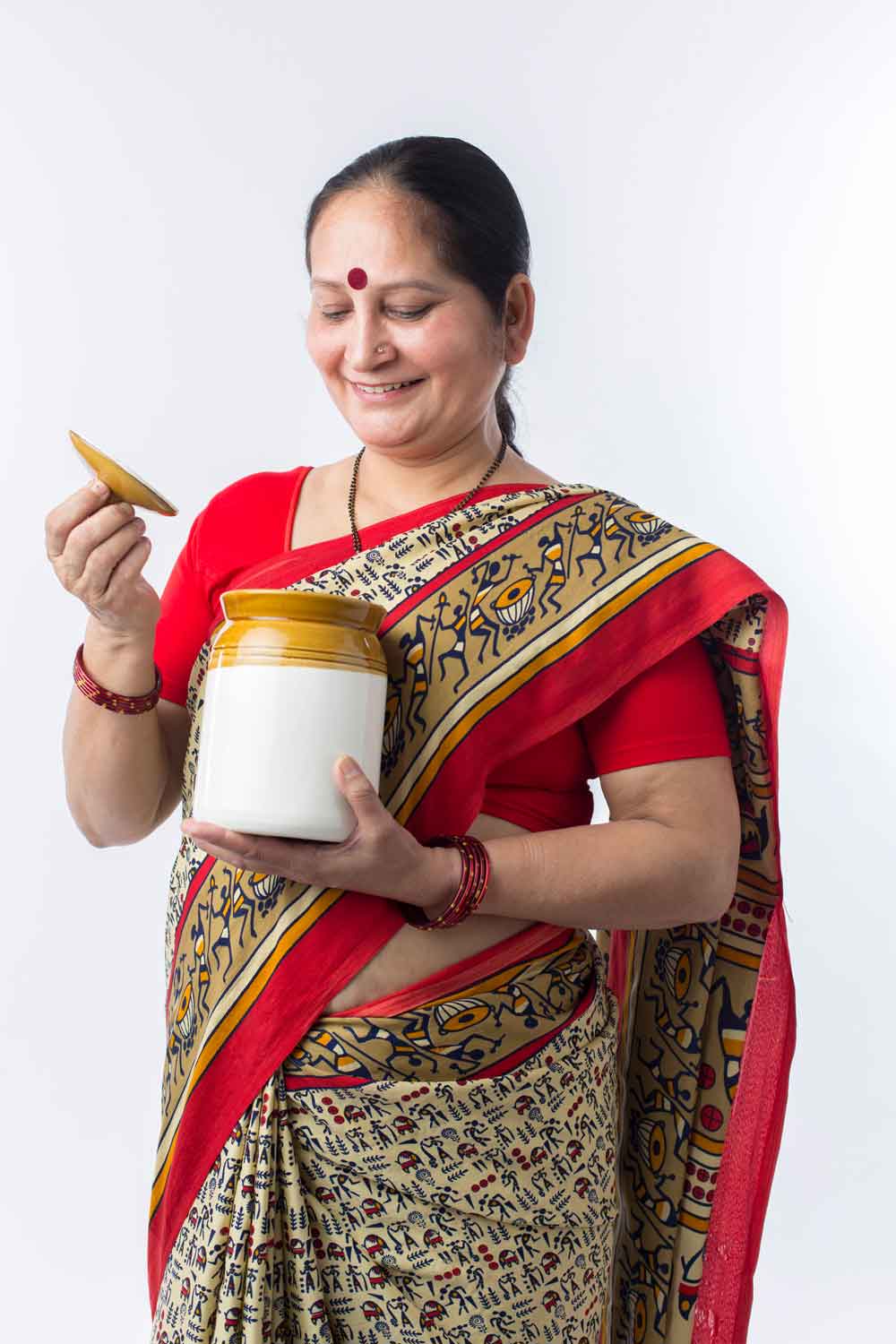
India’s pickle revolution is not just about nostalgia or regional flavours. It represents a larger shift in how domestic labour and culinary knowledge are valued.
A skill once confined to kitchens is now helping women earn independently, support families, employ others, and preserve food traditions that might otherwise disappear.
And while much of the industry still operates informally, without large funding, branding teams, or national retail access, its impact continues to grow quietly across India.
Today, every jar of homemade pickle tells a bigger story: one of survival, heritage, entrepreneurship, and generations of women turning tradition into economic power.