India churns out roughly 2 billion pairs of shoes a year; 200 million of these are imported, as per a 2023 report by the Leather Working Group. And yet, when I set out to replace an old pair, I found that stylish, eco-friendly options were scarce compared to the 2 billion number. For many of us, this seems baffling. A country with a rich shoemaking heritage and global factories has only a few brands that offer genuinely sustainable, fashionable shoes. In theory, ‘slow fashion’ principles of durability, natural materials, and fair labour could thrive here, yet fast-fashion trends dominate.
What Makes Footwear Truly Sustainable

At the core, sustainable footwear means thinking of the entire lifecycle. A truly green shoe is made with eco-friendly materials (recycled, natural, biodegradable), produced under fair labour conditions, and built to last. While durability is key, a long-lived pair can dramatically decrease the need for replacements.
Essential criteria often cited for sustainable shoes include:
Eco-friendly materials: recycled plastics/fabrics, organic cotton, hemp, or biodegradable leather alternatives.
Ethical production: fair wages, safe factories and artisan partnerships.
Transparency: clear sourcing and environmental impact reports.
Durability & repairability: strong stitching, replaceable soles, designed for long life.
End-of-life plans: compostable designs or recycling programs to prevent landfills.
Each of these factors matters. For example, high-quality natural rubber or cork insoles can biodegrade harmlessly, unlike cheap plastic soles. Sustainable brands often highlight certifications (GOTS, Fair Trade, etc.) and fair-trade narratives. Unfortunately, mainstream labels rarely detail their supply chains, making it hard for consumers to judge claims.
India’s Fast-Fashion Footwear Problem

Despite artisanal tradition, India’s domestic market is flooded with fast-fashion footwear. Cheap, trend-driven shoes roll out constantly at low prices, but these are often designed for quick turnover, not longevity. The result is enormous waste. Globally, as per a Quantis report, roughly 23 billion shoes are made per year, and about 22 billion end up in landfills.
This flood of throwaway footwear comes at a cost. Many mass-market shoes use non-biodegradable materials and toxic glues.

Traditional leather shoes (already hazardous if tanned with chromium and formaldehyde) now compete with even cheaper PU/PVC shoes that also release harmful microfibers. Because fast fashion prioritises price, manufacturers in India favour petroleum-based plastics (EVA, PU, PVC) for midsoles and vegan leathers. These materials are durable under the foot but never break down, and they contaminate recycling streams. With few regulations or recycling systems for shoes, most worn-out shoes simply pollute soil and water.
In short, India’s footwear industry excels at volume but not so much with sustainability.
The Material Challenge: Synthetics vs Sustainability
Most shoes in India today aren’t leather at all, as per the Leather Working Industry Report. Instead, they rely on synthetic fabrics and plastics. Ironically, many ‘vegan leather’ shoes are just plastic in disguise. For example, factory linings and uppers often use polyurethane or PVC, which are technically vegan but far from green. These synthetics resist water and wear, but end up as toxic microplastic waste. In other words, a cheap vegan sandal may be kinder to animals but still wreck the planet.
Truly sustainable materials do exist, but they have limitations. Vegetable-tanned leather can be biodegradable and long-lasting, yet it’s still animal-derived and water-intensive. Plant leathers (cactus, pineapple leaf, apple) are now trending globally. Indian startup Phool even makes “Fleather” from temple flower waste. These bio-materials avoid livestock issues and reduce waste, but they are early-stage and often pricier. Cork, jute and natural rubber are age-old alternatives that Indian artisans can use more. While cork is lightweight and renewable, there’s also a Kolkata tannery cluster that has started piloting water-based dyes.
In practice, most sustainable shoes in India still blend these with plastics. Until truly green production ramps up, consumers face trade-offs. It’s a material dilemma: synthetic PU shoes can be light and cheap but polluting, while natural-material shoes (hemp, leather, wool) are fewer, sometimes heavier or costlier. Bridging that gap is at the heart of the problem.
Craft, Comfort & the Missing Middle
India has a centuries-old craft heritage in footwear that lies in handcrafted juttis, kolhapuris and mojaris adorned with embroidery or dyes. These artisanal styles, celebrated for heritage, are increasingly blending heritage with contemporary appeal.
True artisanal shoes are time-consuming to make. A pair of leather mojaris might take days, and so they come with a higher price tag and limited quantities. Meanwhile, cheap imitations proliferate online, undermining artisans. The result is Indian shoppers either seeing very expensive ethnic footwear or very cheap mass-market sneakers, but few options in between that are stylish and eco-friendly. Even comfort is an issue. Urban consumers expect cushioned soles and ergonomic design, which many traditional shoes lack.
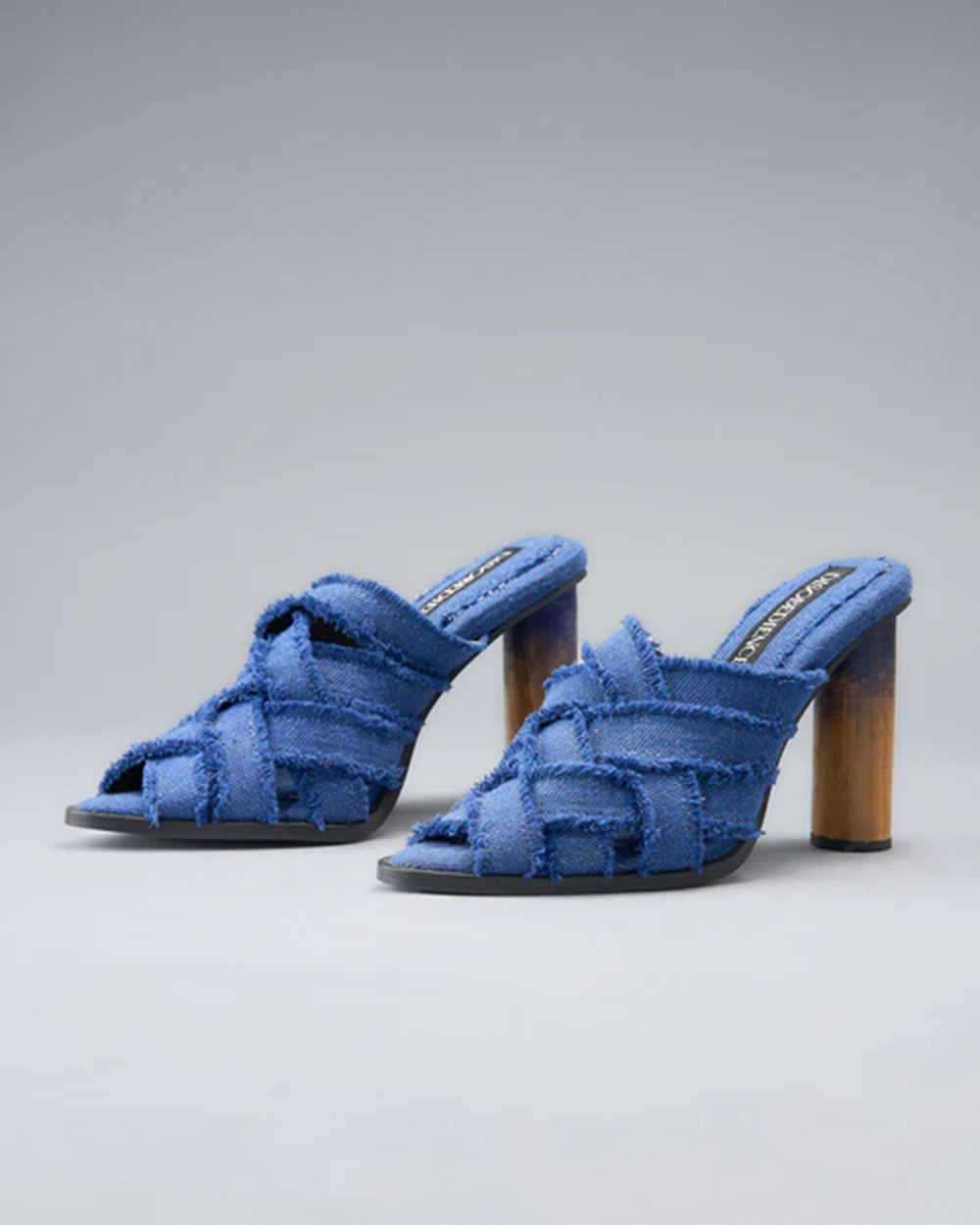
Image Source: Disobedience.com
‘The restriction also comes from manufacturing houses. Shoes require much higher capital investment compared to bags. Most factories are not progressive enough to try new designs. Unless the designer has their own manufacturing unit, this is a bit difficult to achieve,’ says Anita Soundar, founder and designer of sustainable footwear label Disobedience. Soundar’s label creates footwear using handcrafted processes and inherently circular materials like indigenous fabrics, upcycled textiles, wood and steel. But brands like these are mostly known to hobbyists and niche markets.
Emerging Indian Alternatives to Watch
While design-led options are slowly growing in abundance when it comes to sustainable clothing. According to Soundar, the same pace is lacking in the footwear space. ‘How many shoe designers are there in the Indian fashion world? We have brands and corporations. In fashion, especially clothing, each designer-led brand has its own unique style of clothes. As more and more shoe designers come into the picture, we can see cool shoes,’ she adds.
Apart from Disobedience, here are a few homegrown brands that are trying to fill the gap. On the sneaker front, Neeman’s ‘ReLive’ knit shoes use recycled materials, offering breathable, odour-resistant sneakers. Another startup, Thaely, turns plastic waste into high-end sneakers, and each pair contains multiple recycled bottles and bags.
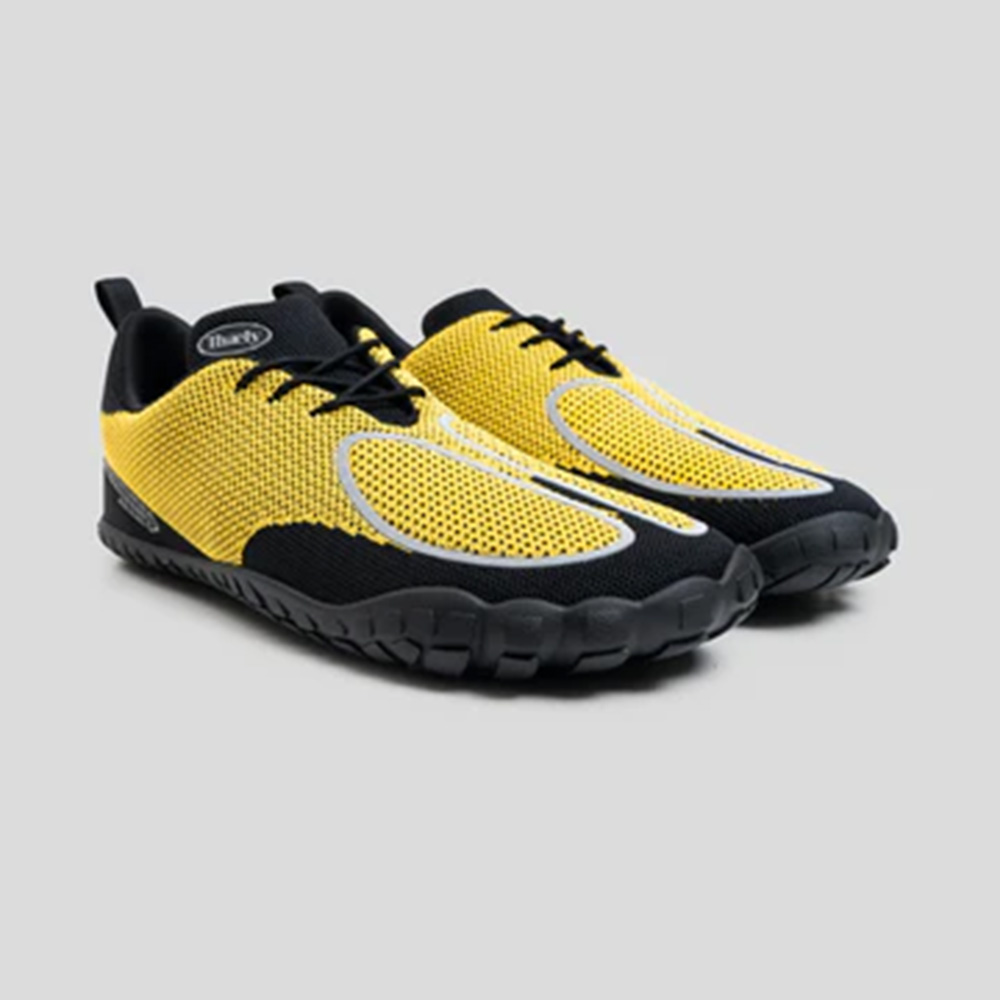
Image Source: thaely.com
Footwear brand, Birdhouse, designs its footwear using natural, low-impact materials like jute, cork, algae-based soles and hand-carved wooden heels, all packaged in a shoe box that converts into a birdhouse.
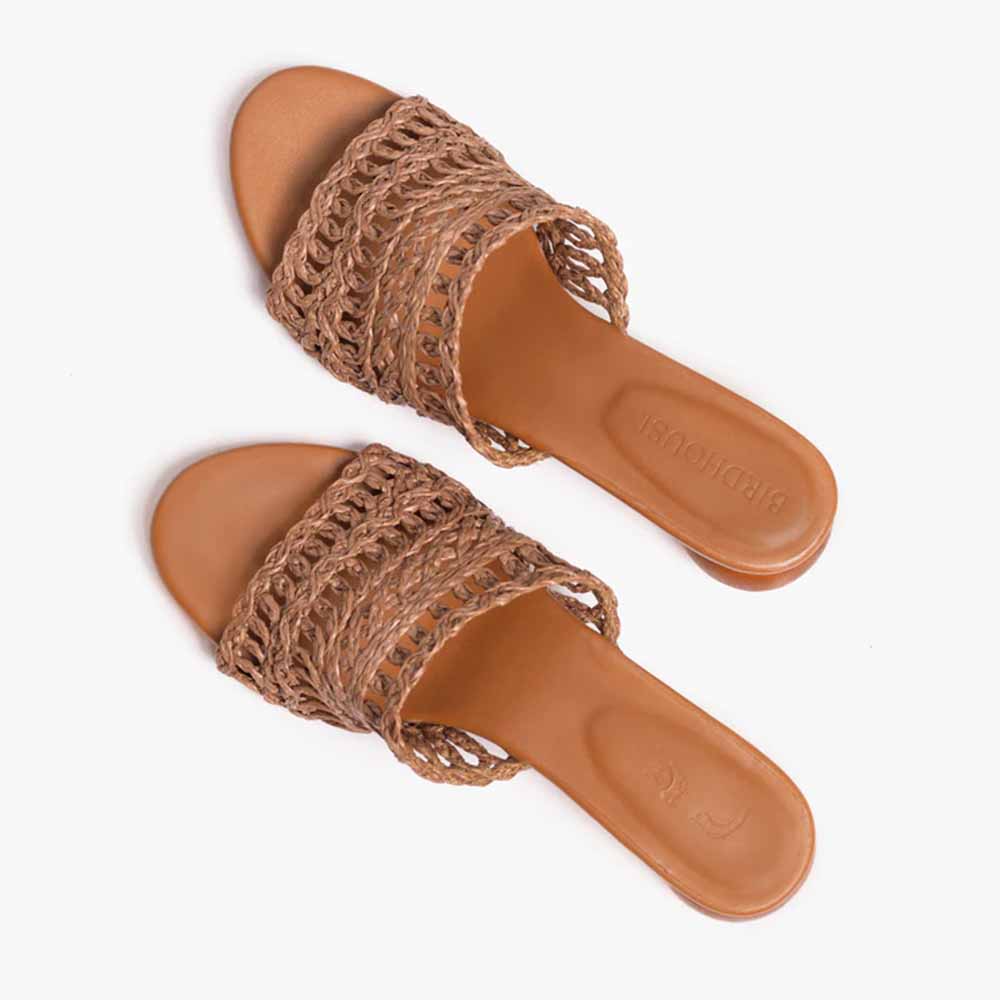
Image Source: birdhouse.ife