Why “Buy Now, Pay Later” Is Harmful For The Environment
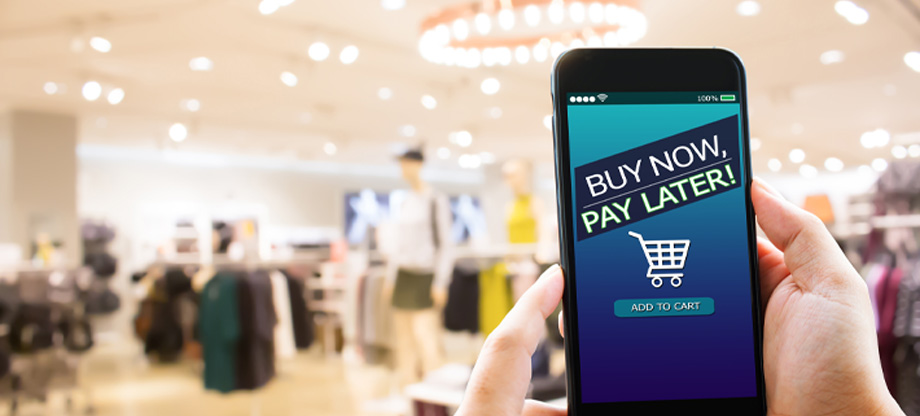
The EMI (Easy Monthly Instalment) or Buy-Now-Pay-Later systems of payment, which were until recently most common for items like electronics, cars or even expensive luxury items, have started to enter the offered modes of payment with more common fashion brands, both with homegrown and international labels. While this may sound like good news, given that it provides the customer with the benefit of convenience, it may have a few environmental drawbacks. Here are a few:
Increase In Consumption
The whole idea of the ‘Buy Now Pay later’ model, while making the customer’s payment mode convenient, also drives more sales. One is buying even if they don’t have enough funds on a given day, which is one of the biggest make-or-break factors of a purchase- availability of funds. All this, without hampering the available funds on your credit or debit card, may sound like just what you need. However, more sales equal more or even overconsumption- a problem fashion is already dealing with in abundance as it leads to a growing heap of fashion waste in our already overfilling landfills.
Image used for representational purposes only.
High Possibility Of Returns
The fact that your actual funds are not on the line makes returning the item that much more stress-free. Returns and refunds are known to be harmful to the environment as not everything you return ends up back in-store or with another customer. More often than not, returned items end up straight at landfills, circling back to the same problem.
More Online Shopping
With most ‘buy now pay later’ schemes available online, online shopping, and the cons that come with it, will be on an all-time increase. Be it the extra packaging required that may not always be sustainable to the fuel-intensive process of fast deliveries, the online shopping process can be extremely carbon intensive.
Increase In Impulse Spending
The convenient model that provides the facility of buying without having the funds also tends to increase impulse spending amongst customers- a form of unnecessary consumption that may in turn lead to hoarding or worse non-eco-friendly return processes.

 home
home HERoes
 StrongHER
 exclusive
 bizruptors
 connect
 showcase
 engage
 grow
grow goals
goals period goals
 fertility and pregnancy goals
 diet and fitness goals
 finance goals
 help
help contest
 about us


