More than a decade ago, in 2015, we began celebrating National Handloom Day in an attempt to honour our crafts, increase awareness of them and support the hands behind our textiles. Every year, the conversation revolves around artisans. This year, we at Her Circle decided to ensure the conversation of crafts was also with the artisans. So, we went directly to the people behind the loom and asked them one question: What do you wish for this National Handloom Day?
Rubina Begum Shaikh | Himroo Weaver, Maharashtra
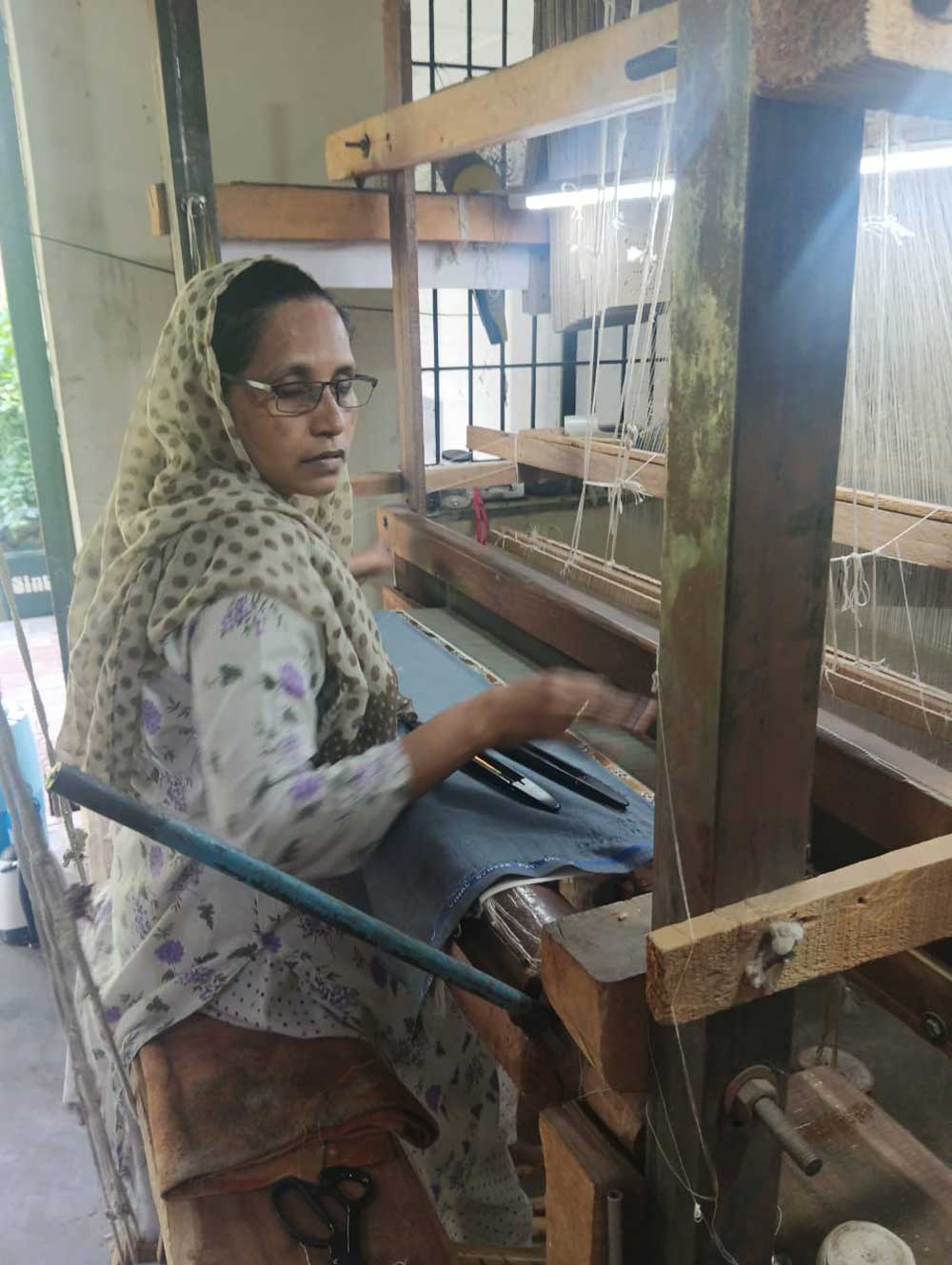
Rubina comes from a family of Himroo weavers, a craft that disappeared until it was revived by Loom Katha founder Arushi Khanna a few years ago. In 2020, Rubina began weaving the textile once again along with her brother.
‘I wish us Himroo weavers had more support and more facilities, like pension or incentives. I wantmore awareness towards Himroo, so that people are encouraged to buy more. I’m thankful that Arushi ma’am has revived this craft and helped us get employment with Himroo,’ she says.
Rubina hopes that Himroo attracts more positive attention which in turn encourages the next generations of the family to take up the craft too.
R. Pamringla Vashum | Loin Loom Weaver, Manipur
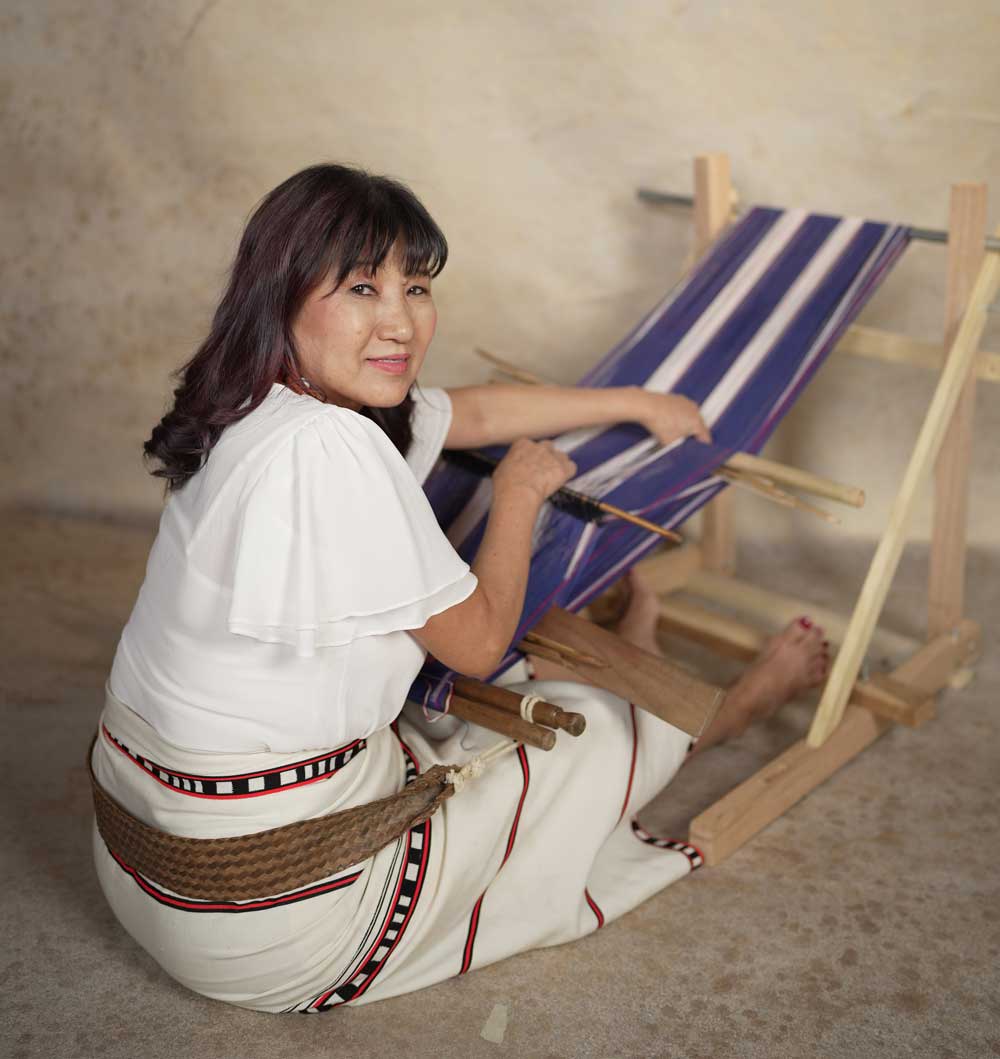
Vashum weaves traditional Manipuri textiles in Urkhuk, while also creating contemporary designer garments.
‘This National Handloom Day, my wish is to see greater support for weaving at the regional and district levels. In India, every region has its own unique weaving techniques, stories and cultural identity. To celebrate this heritage, we need more exhibitions, fashion shows and programs in smaller towns and districts, not just in major cities like Delhi, Mumbai, and Bengaluru. Such regional events would give local artisans the opportunity to showcase their work, connect with buyers and inspire younger generations to appreciate and continue these traditions. They would also help people understand the historical and cultural significance of our national weaves and recognise the skilled craftsmanship behind every handwoven textile,’ she says.
On National Handloom Day, Vashun wishes that Indians celebrate weaves across the country, reaching every weaving community.
Monika | Kala Cotton Weaver, Gujarat
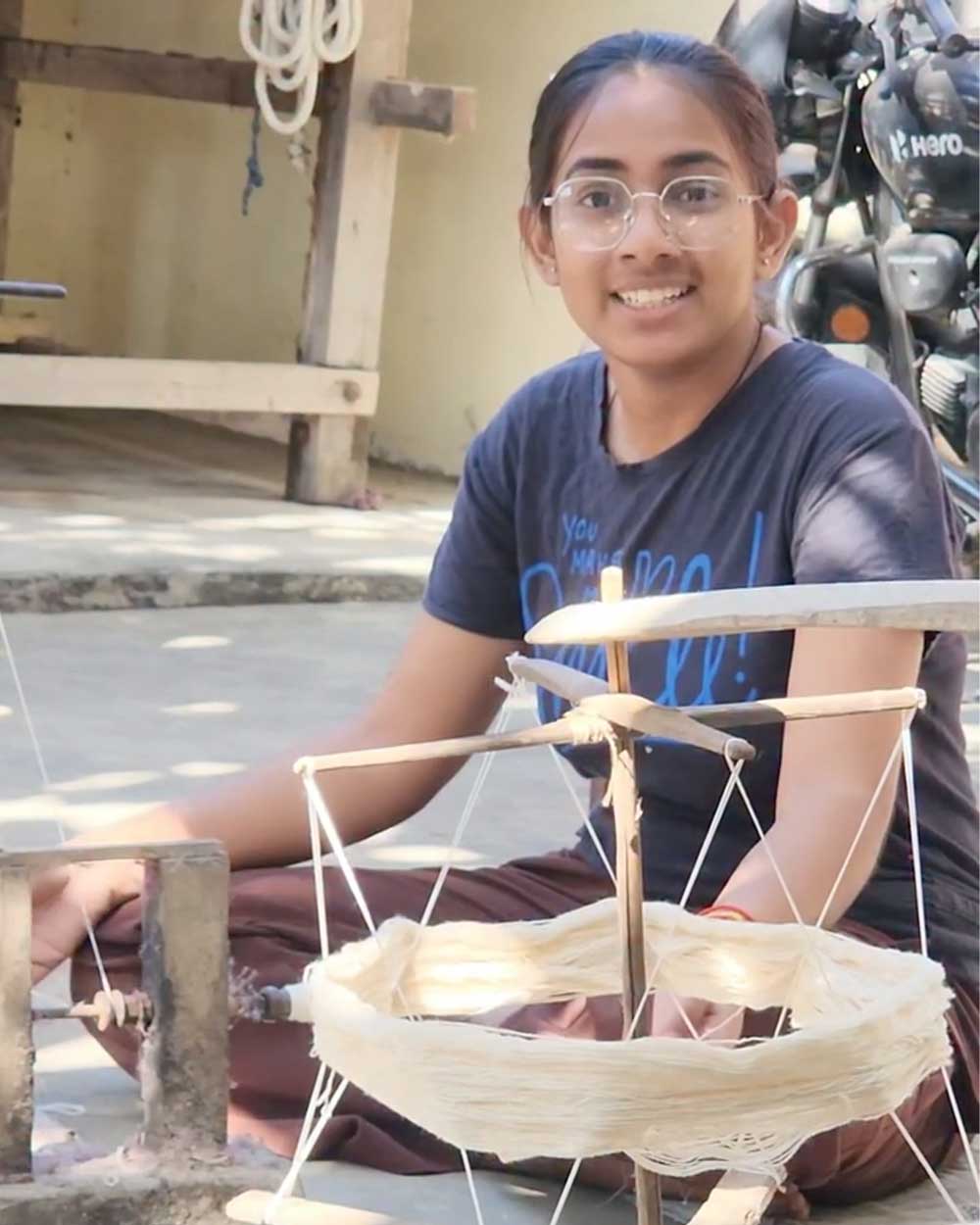
A young weaver from Kachchh in Gujarat, Monika also runs Loomika by Monika and weaves Kala Cotton fabrics and saris.
‘This National Handloom Day, I don't just want appreciation, I want fair prices, consistent orders, and recognition for the skill, time, and tradition behind every handwoven piece. When artisans earn with dignity, our craft and culture continue to thrive’.
Sarabjit Kaur, Manjeet Kaur, Kamalpreet Kaur, Hardev Kaur | Khes Weavers, Punjab
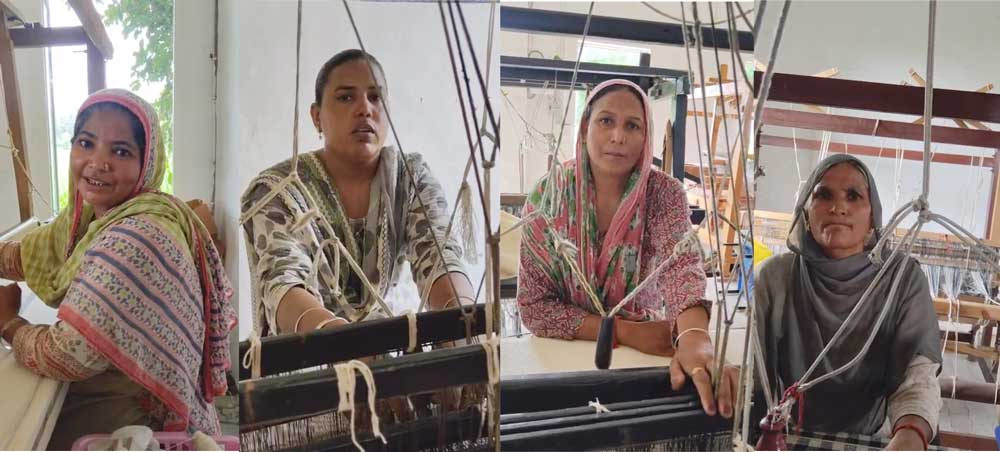
Khes Weavers from the village of Balwaar in Punjab, Sarabjit, Manjeet, Hardev and Kamalpreet gather at Balwaar Rural India to weave Khes every day. When asked what they’d like for National Handloom Day, their wishes echoed something similar: better facilities and more resources available closer to their homes so they don’t have to travel to far away cities like Ludhiana.
Mohan Marwada | Handloom Weaver, Gujarat
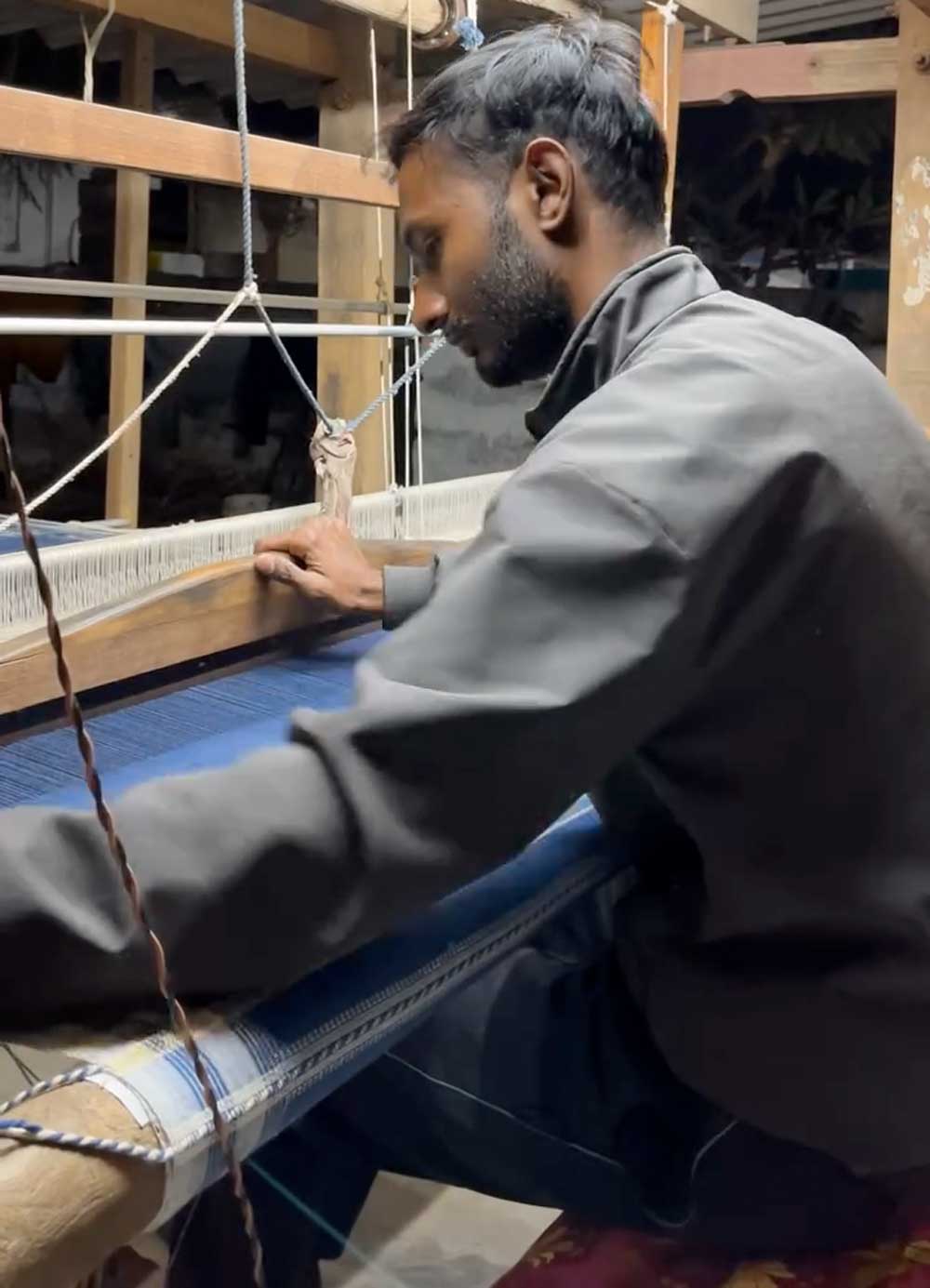
Mohan is an enterprising weaver of Kala Cotton in Gujarat’s Kutch and his first reaction to our question was: ‘Finally someone asked the right question’! ‘This National Handloom Day, as an artisan, I want people to look at handloom not just as a trend,’ he says. He hopes that people look at crafts for what they really are, a part of their culture. ‘I want crafts to be seen not just as a part of our culture but also as a part of who we are. When we support crafts, we do more than support artisans; we help preserve our cultural heritage. My hope is that these traditions of art and craftsmanship continue to thrive and are passed on to future generations’, he adds.
‘We understand that not every handloom fabric issuitable for everyday wear, but many can be incorporated into daily life. I want to create as much awareness about handlooms as possible. More than anything, my goal is to highlight the craftsmanship: the time, effort skill and challenges that go into every piece woven in the loom,’ explains Mohan.
This National Handloom Day, perhaps the most meaningful way to celebrate isn't by simply posting a photo of a handwoven sari or sharing a campaign hashtag. Instead, let’s listen to the people behind the loom and understand how we have help India's handloom legacy thrive. After all, when artisans flourish, our textiles do more than preserve tradition. They keep a living part of our culture alive for generations to come.