On a recent work trip to Indore, I found myself standing before an old loom in the Holkar Dynasty Gallery. The placard beside it told the story of Queen Ahilyabai Holkar, who, during a time of famine, offered refuge to weavers from Mysore within the Maheshwar fort. I had always admired the beauty of Maheshwari and Chanderi saris, but learning this piece of their history made the craft feel more personal and something I wanted to carry back with me.
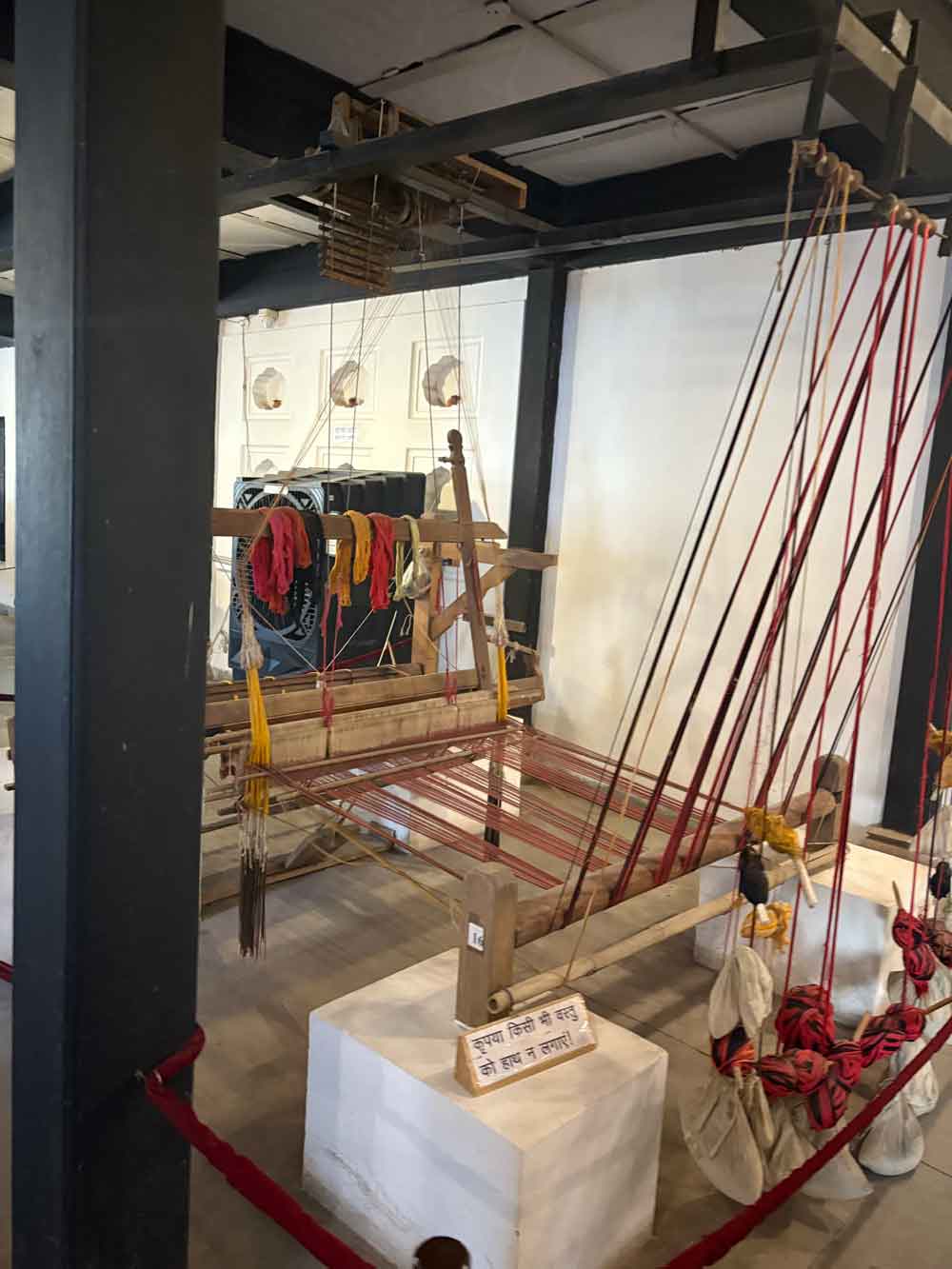
I took a friend’s recommendation and carved out time between two hectic shoot days to pick up a sari. How could I not? This wasn’t just a weave but a part of a history that had once sustained its weavers through a difficult time. Bringing it back felt like carrying a piece of that story with me.
More than anything, it put Maheshwar and Chanderi were added to my list of textile destinations to visit with my mum, another textile enthusiast, and the one who taught me to value these small acts of material memory. I wanted to see these textiles being woven, to hear how the craft has evolved, and how its makers have endured.
And, as it turns out, I’m not alone. My algorithm quickly filled up with women travelling to textile clusters, creators documenting craft communities, and designers finding new ways to keep these traditions in conversation.
What started as a single, meaningful find soon turned into a larger question: where in India can you truly experience textiles at their source? We asked fashion insiders to share the destinations that stay with them.
Aashni Shah, Founder and Creative Director of Aashni + Co
Aashni’s pick: Gujarat
‘You can literally move from village to village and encounter entirely different traditions and intricate embroidery styles unique to each community, experiencing craft directly with artisans,’ Shah explains. Gujarat is home to countless crafts like Ajrakh, Bandhani, Patola and more.
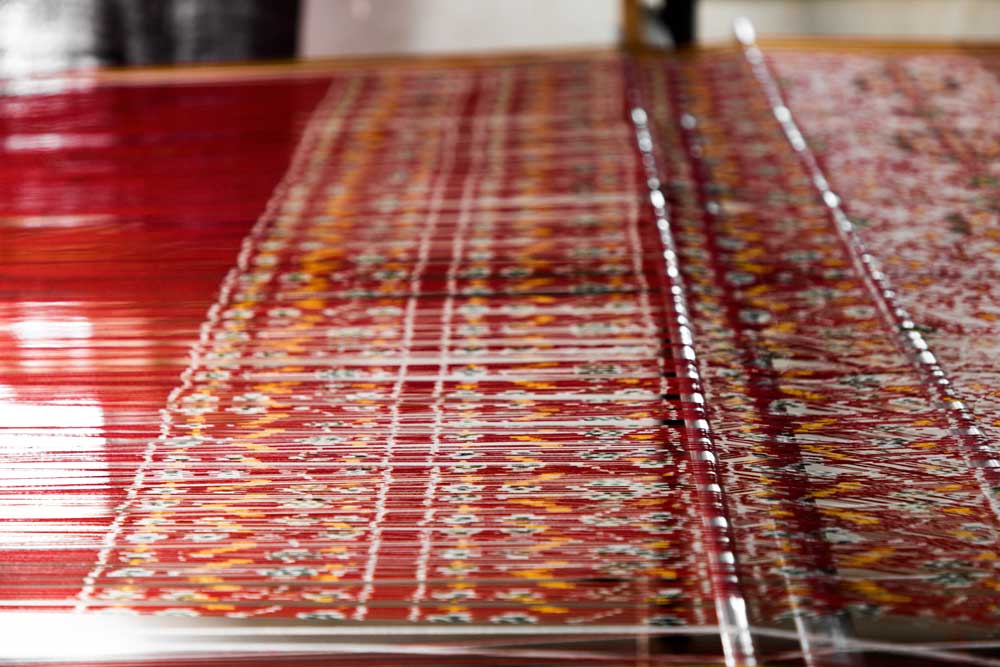
‘Each technique is so distinct that it can inspire an entire collection from Ajrakh and Bandhani to the diverse embroidery traditions across communities and weaves like Patola. I’ve always been deeply drawn to this sensibility, and I’m a big admirer of how Pooja Keyur and Anuradha Vakil interpret craft with such restraint, depth, and authenticity in their design ethos,’ adds Shah.
‘For exploration, I recommend starting with artisan clusters like Bhujodi and Ajrakhpur, and visiting Rani no Hajiro in Ahmedabad,’ she recommends.
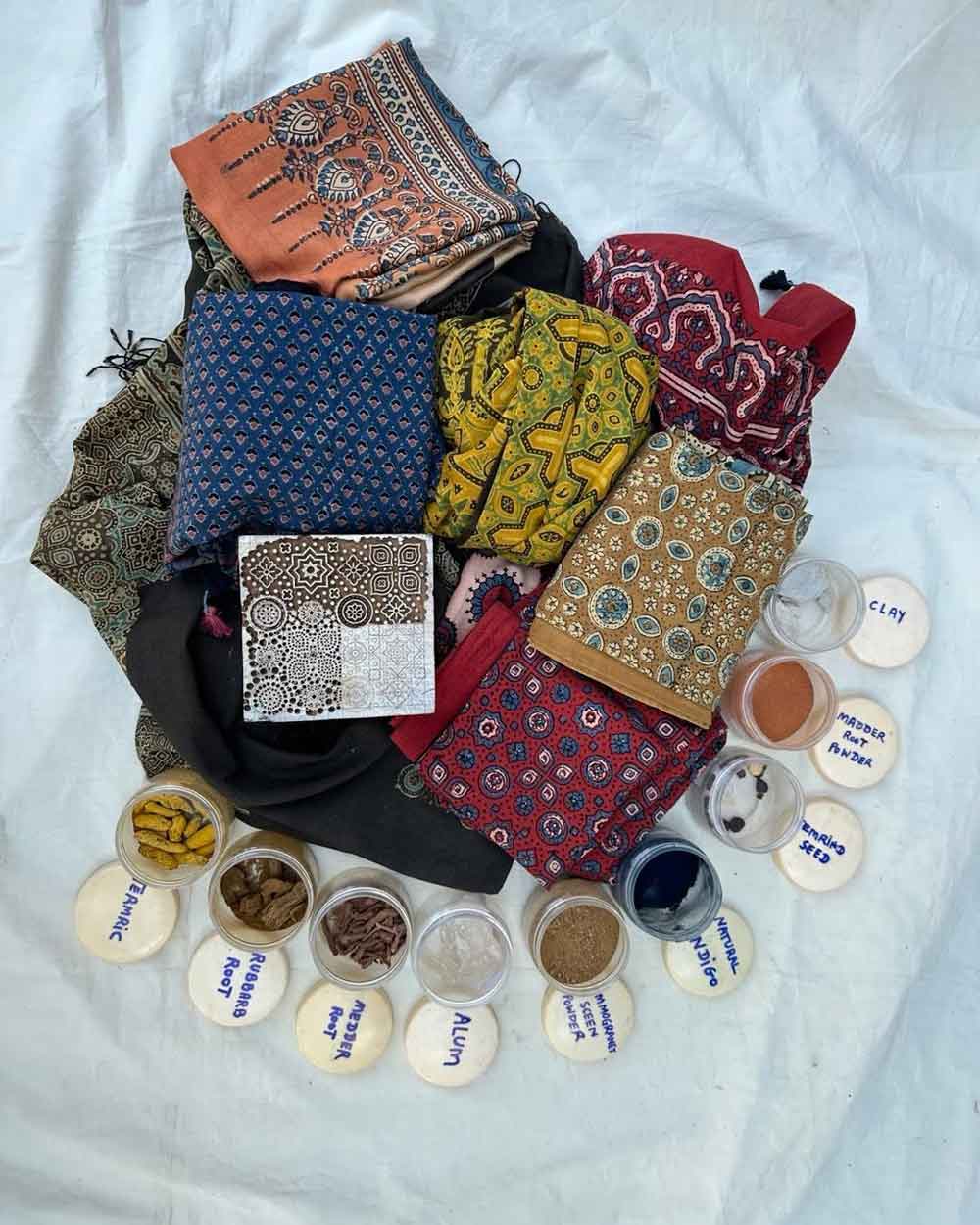
In Ajrakhpur, artisans like Sufiyan Khatri also conduct workshops that teach the handblock printing technique of Ajrakh.
Mariyam Khatri, Founder and Creative Director of BANANA labs
Mariyam’s Pick: Jaipur, Rajasthan
Jaipur has become increasingly popular thanks to vibrant Sanganeri prints, its jewellery scene and everyone’s old favourite: Bandhani.
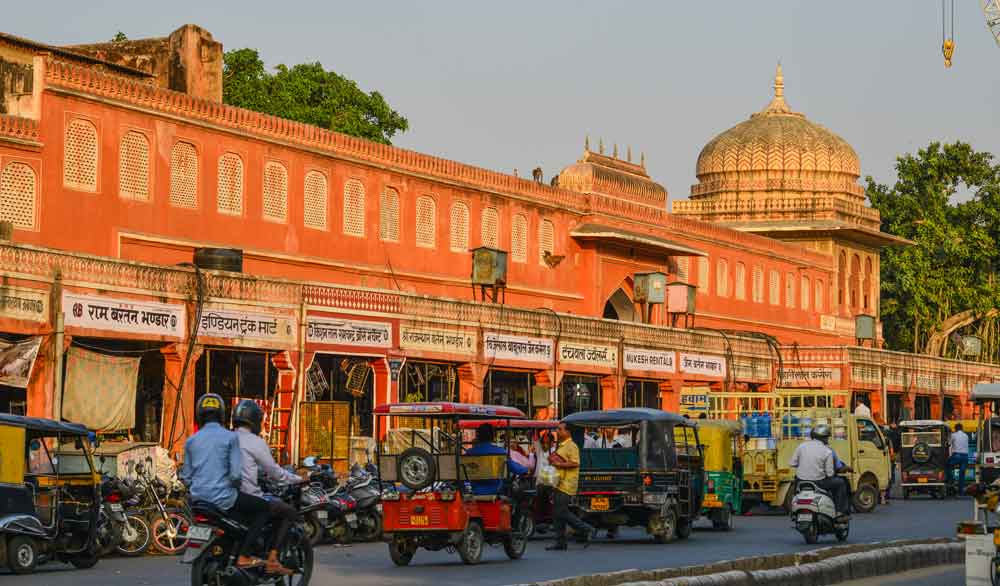
‘What makes Jaipur incredibly special is the sheer diversity of techniques you can experience within a single region. From block printing and natural dyeing to bandhani, leheriya, and hand embroidery, there is a strong ecosystem of artisans, workshops, and small units who continue to practice and evolve these crafts every day. The city also feels deeply rooted in its culture, which remains vibrant and intact,’ says Khatri.
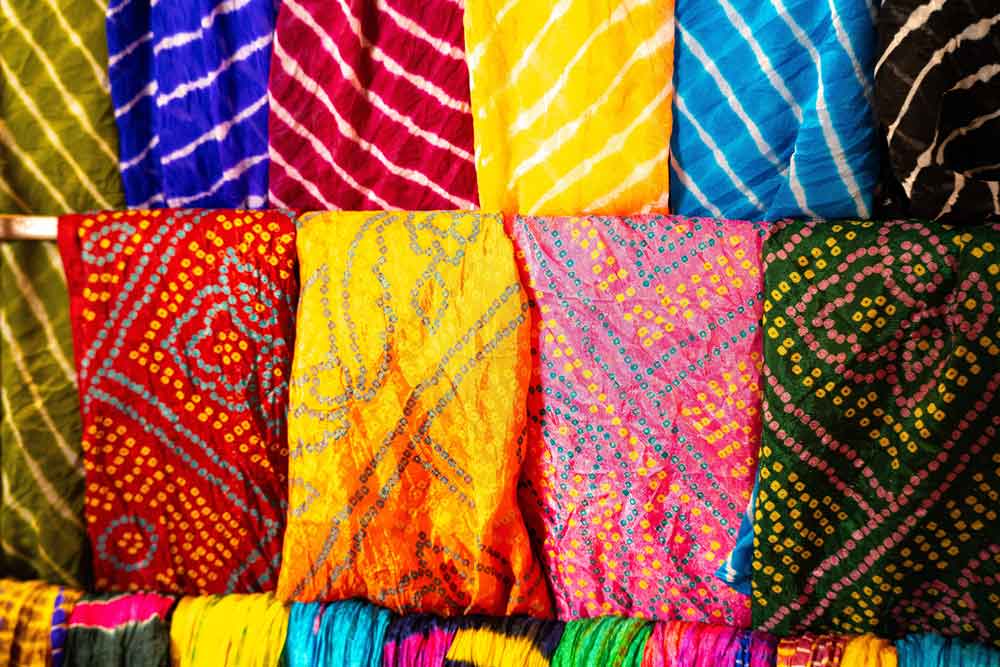
The founder strongly recommends visiting the Anokhi Museum, which offers a thoughtful insight into the history and practice of block printing. The city is also home to some unique stores like Tapri, The Palace Atelier and Idli. For local markets, Bapu Bazaar, Tripolia Bazaar, Kishanpole Bazaar and Johari Bazaar are your best bet!
Prachi Popat, Content Creator and Freelance Writer
Prachi’s Pick: Kutch, Gujarat
‘As a Kutchi girl, it feels like exploring a part of my cultural identity - aside from learning about textiles and crafts, it also feels like a return to my own history and roots,’ says Popat, whose page on Instagram will take you through countless stories of crafts, textile and also her recent finds from a trip to Kutch.
Kutch is a clear favourite among those who work with textiles or simply love craft, but Popat points to two spots within the region that are especially worth seeking out.
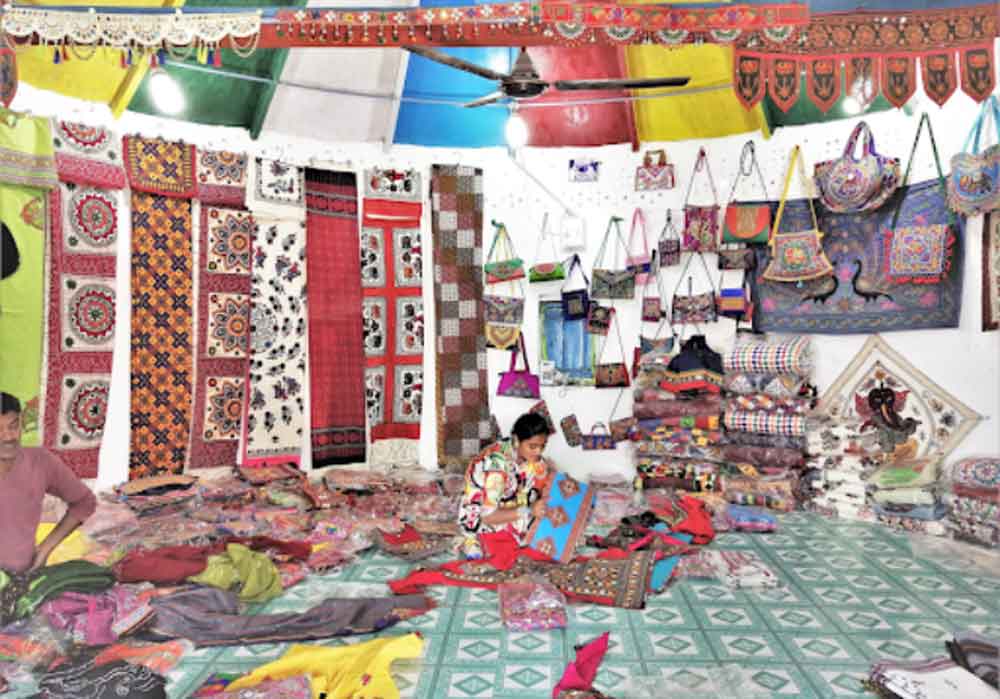
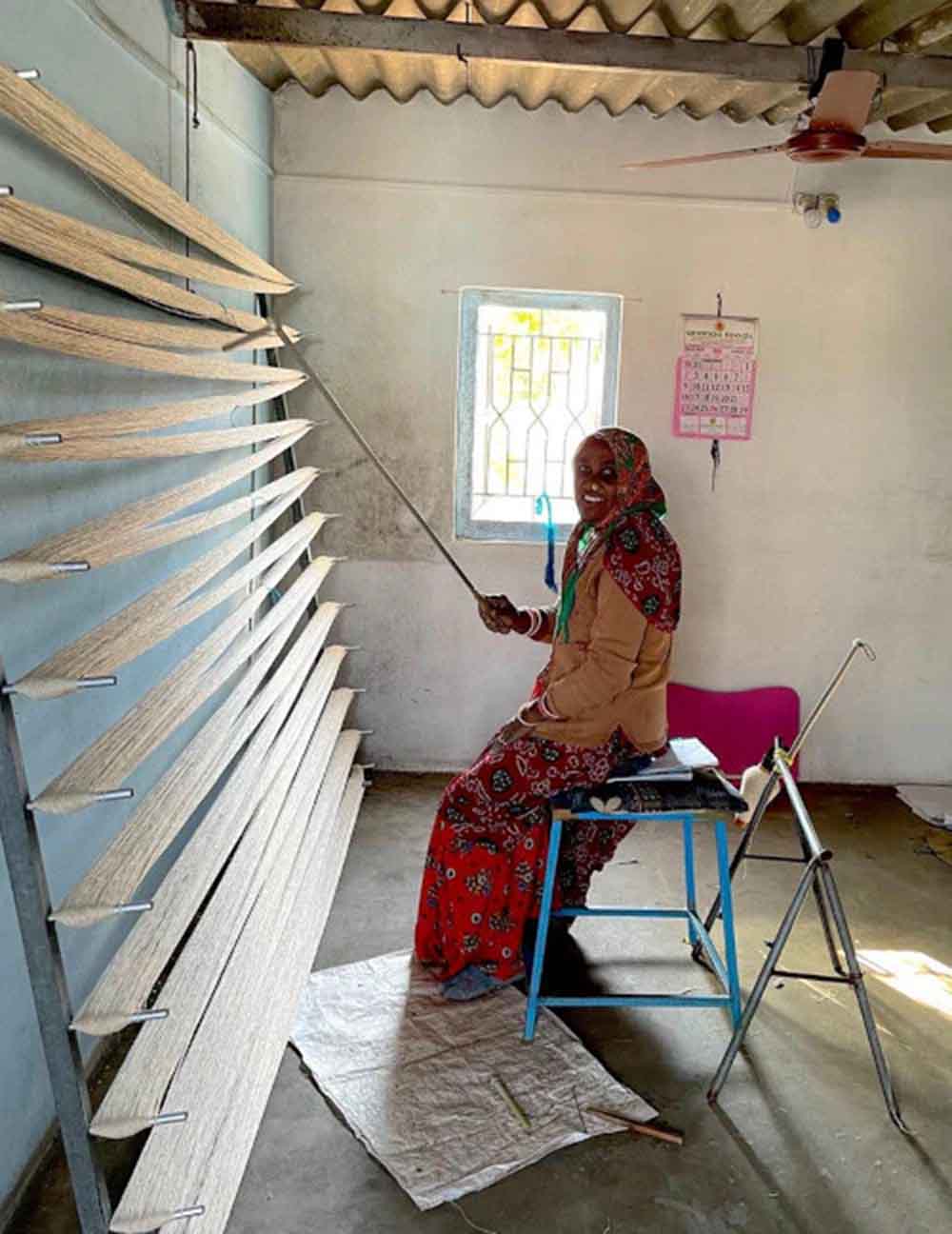
‘Bhujodi is filled with tiny shops and artisan workshops where the Vankar or weaving community make the most beautiful handlooms. My obsession for the last year has been Kala Cotton, the indigenous cotton of India that I think is making a big comeback. I got introduced to this by my artisan friend Chaman Bhai, who has his workshop in Bhujodi, where he showed me how they hand spin, loom and stitch the coolest pieces,’ she says. Her Kala cotton cargo pants from the artisan have become her go-to for any concerts or street style events.
‘Sumrasar is like a wonderland for me. Every time I visit, I stumble into some new house, where the host shows me their textile collection and I come back with bags full of soof, kharek and other types of embroidery. A few months ago, I met Geetaben Meriya here, who runs her business Kala Upahar, employing women artisans who hand embroider the most exquisite designs on everything from bags to vests and sarees. They are magicians and I can’t wait to go back and place more orders,’ she adds.
Rina Singh, Founder and Creative Direction of eka
Rina’s Pick: Jaipur, Rajasthan | Ahmedabad, Gujarat
While Jaipur is a well-known hub for all things craft, Ahmedabad has a lot of textile gems to look forward to. ‘Calico Museum is great to go research, walk across and see things,’ Singh recommends.
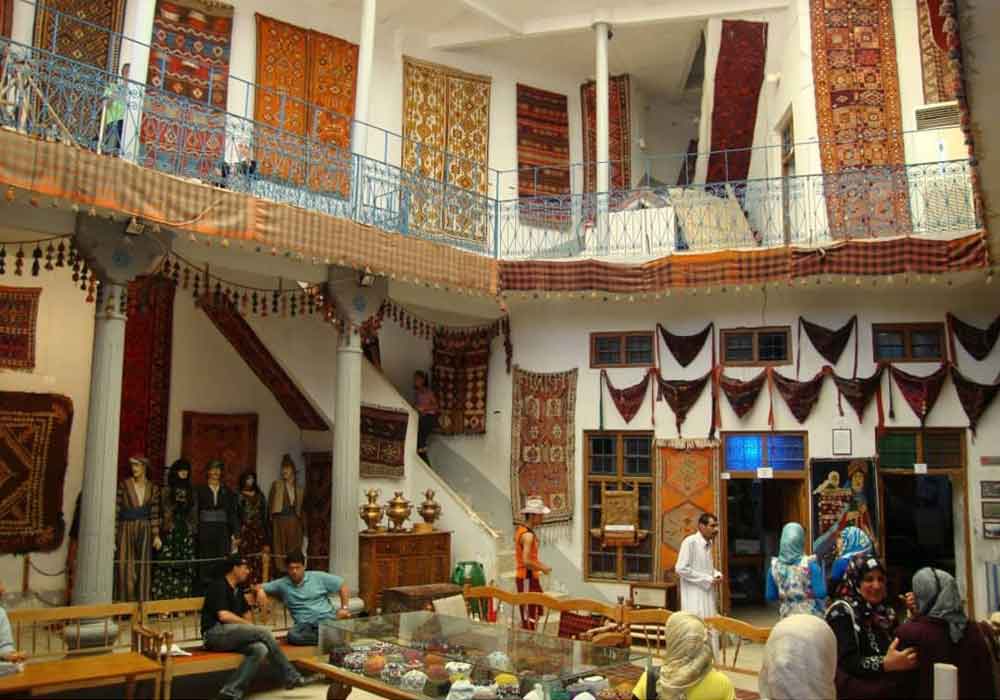
Ahmedabad’s textile hubs include markets around Manek Chowk, Sarkhej and Law Garden.
State handloom corporations and the small handloom state-owned shops also house some great treasures, Singh suggests.
Vaishali Shadangule, Founder and Creative Direction of Vaishali S
Vaishali’s Picks: Paithan and Yeola, Maharashtra | Patan, Gujarat | Khun, Karnataka | West Bengal
‘India is not just a country of textiles, it is a living, breathing archive of craft, where every region holds a language of its own. For me, travelling to these places is not research, it is a return to source,’ says Shadangule, whose travels speak through her use of varied textiles in her label.
The designer calls her journey to Paithan and Yeola, a hub for Paithani sari weaving, poetic. ‘Watching the weavers bring alive those intricate motifs: peacocks, lotuses, stories woven in zari, is almost meditative,’ she says.
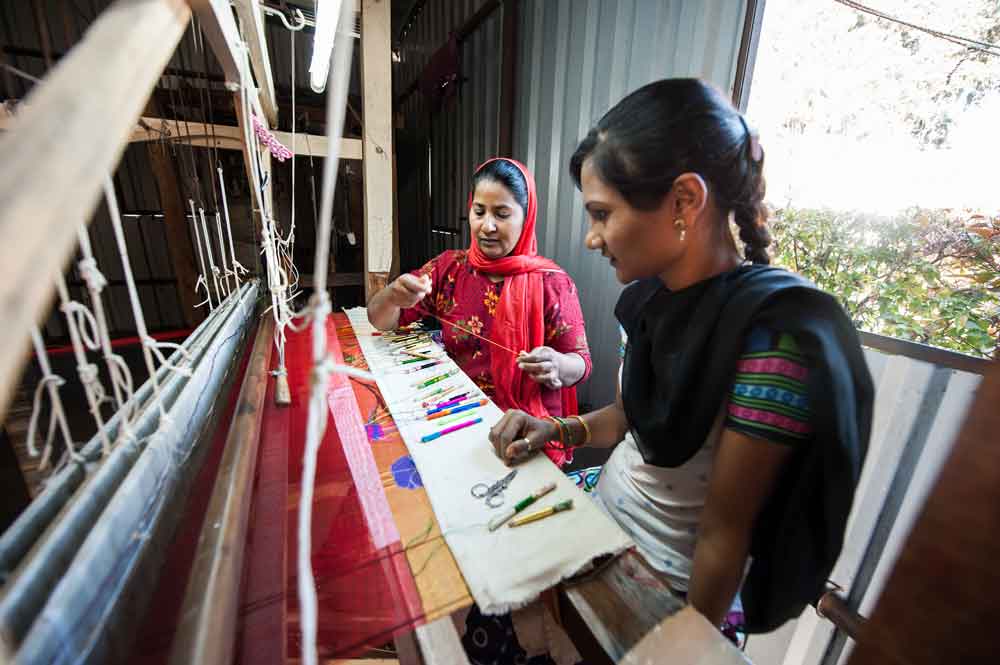
Whereas in Patan, one of the most complex textiles, Patola comes to life. ‘In Patola, both warp and weft are resist-dyed before weaving. The precision, the patience, it humbles you. A single piece can take months, sometimes years, and carries within it a quiet luxury that cannot be replicated,’ adds Shadangule.
‘Moving south, the region of North Karnataka holds a special place in my heart for Khun. It is a textile that is deeply rooted in everyday life, yet has immense potential in contemporary couture. I love how its geometry and vibrancy can be reimagined while still staying true to its origin,’ the designer continues.
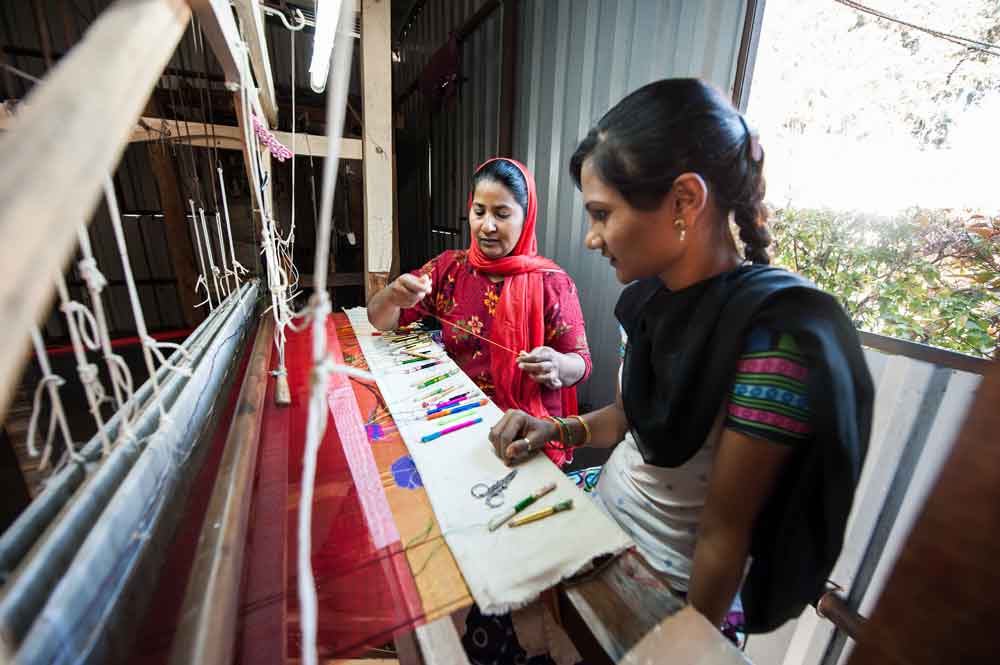
In West Bengal, the designer recommends getting your hands on Jamdani. ‘The delicacy of the weave feels almost like air; so light, yet so intricate. Each motif is inserted by hand, almost like embroidery on the loom, creating a fabric that feels poetic and intangible,’ she explains.
Arushi Chowdhury Khanna, Founder of Loom Katha
Arushi’s Picks: Maheshwar, Madhya Pradesh
‘When I first visited Maheshwar in 2009, I felt like I had stepped into a modern Devlok. The beautiful banks of the Narmada, the serene temples and the quiet presence of Ahilyabai Holkar seemed to permeate the very air of the place,’ says Khanna.
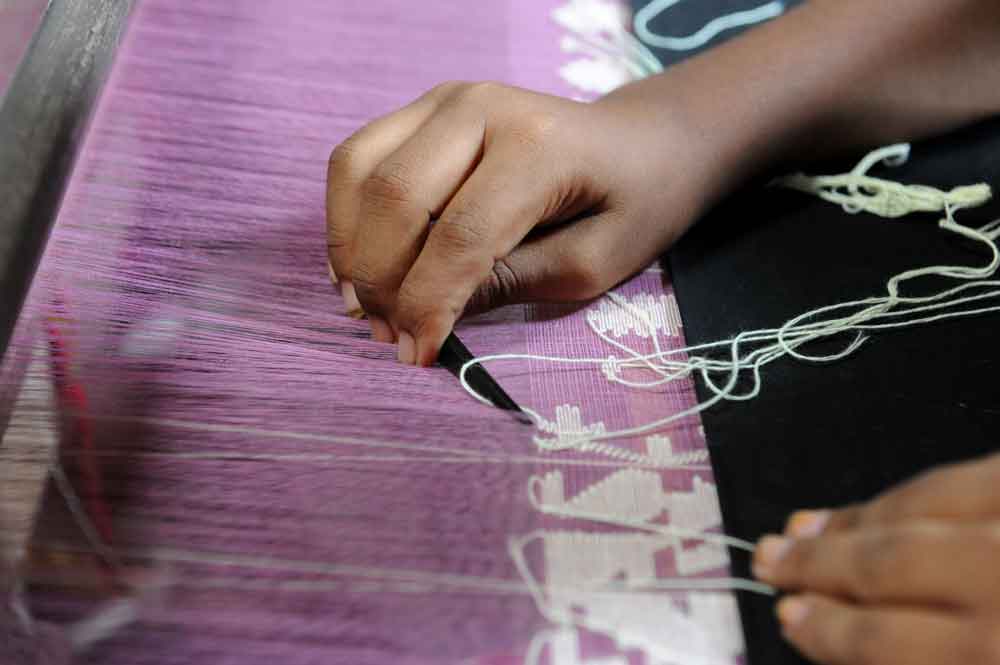
To find your picks, she recommends the market square. ‘The tiny market square had only a few shops, but each was a treasure trove of textiles. Gossamer Maheswari saris with rich zari borders in beautiful colours were displayed beside earthy handblock printed fabrics that came from nearby Bagh, a hub of natural dyed textiles,’ she explains.
ruralhandmade.com
Some other recommendations include WomenWeave’s Gudi Mudi project which sets the national standard in design and technique for Khadi fabrics and Rehwa Society’s beautiful fort complex which houses the master weavers of Maheshwari.