Somewhere between the rise of fast fashion and the birth of the sustainability movement, the world began searching for answers to a problem India had quietly solved centuries ago. From unstitched drapes to the go-to ‘Raffu’ method for quick repairs, Indian fashion has already incorporated sustainability into its ways. Let’s explore a few traditional Indian clothing customs that make total sense in today's fashion environment.
The Genius of the Unstitched Textile
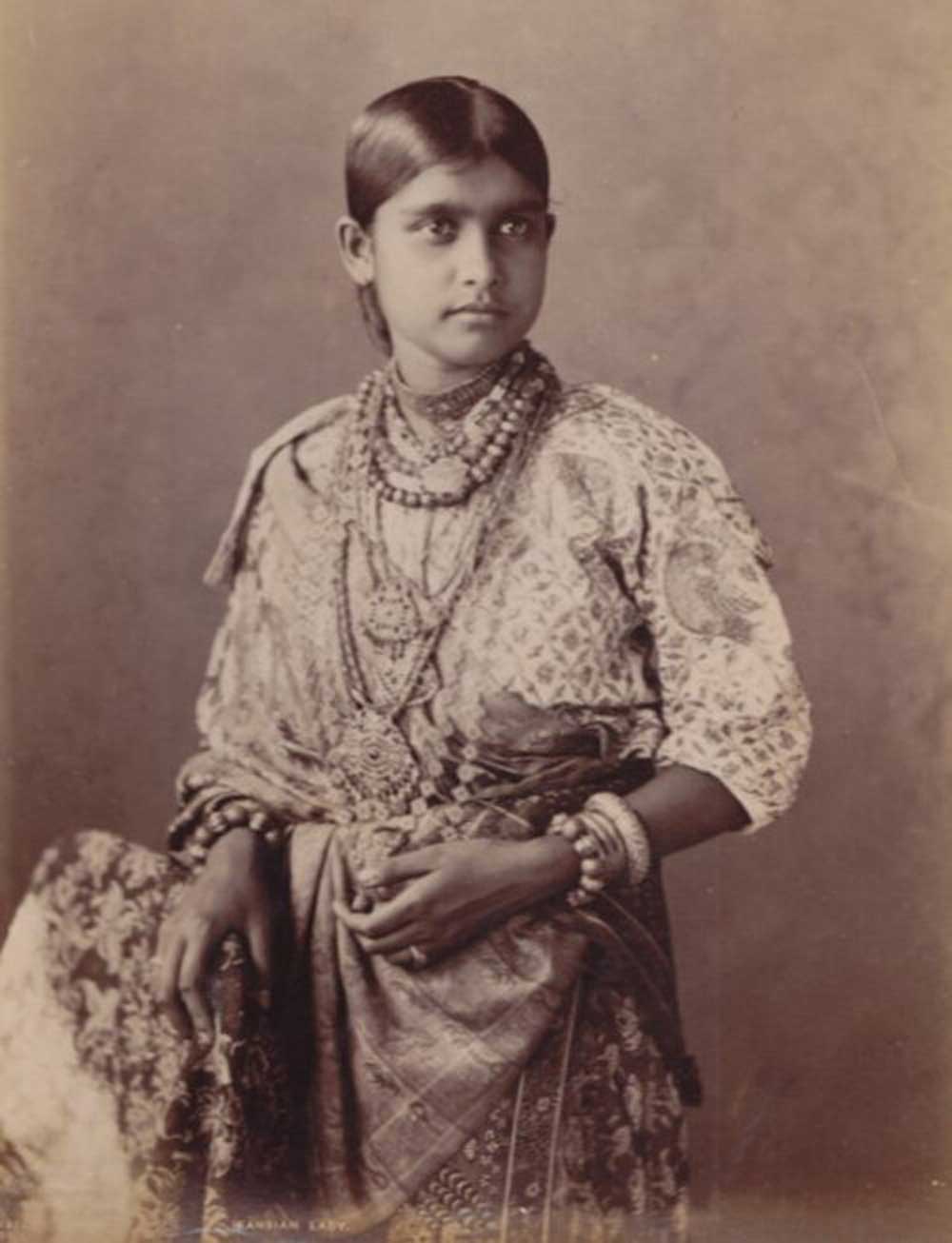
Image Source: Wikimedia.org
The sari is arguably the most sustainable garment ever conceived. Six to nine yards of uncut, unstitched fabric that requires no pattern, produces no offcuts and fits every body that chooses to wear it. The same logic applies to the dhoti, the dupatta, the lungi, the angavastram and even the Assamese Mekhala Chador. Historically, Indian fashion has been rooted in the tradition of draping, rather than being shaped into a fixed form.
In a global fashion industry where an estimated 15 to 20 per cent of fabric is wasted in the cutting process alone, the unstitched textile tradition reads less like heritage and more like a solution that was always there.
Repair as Default
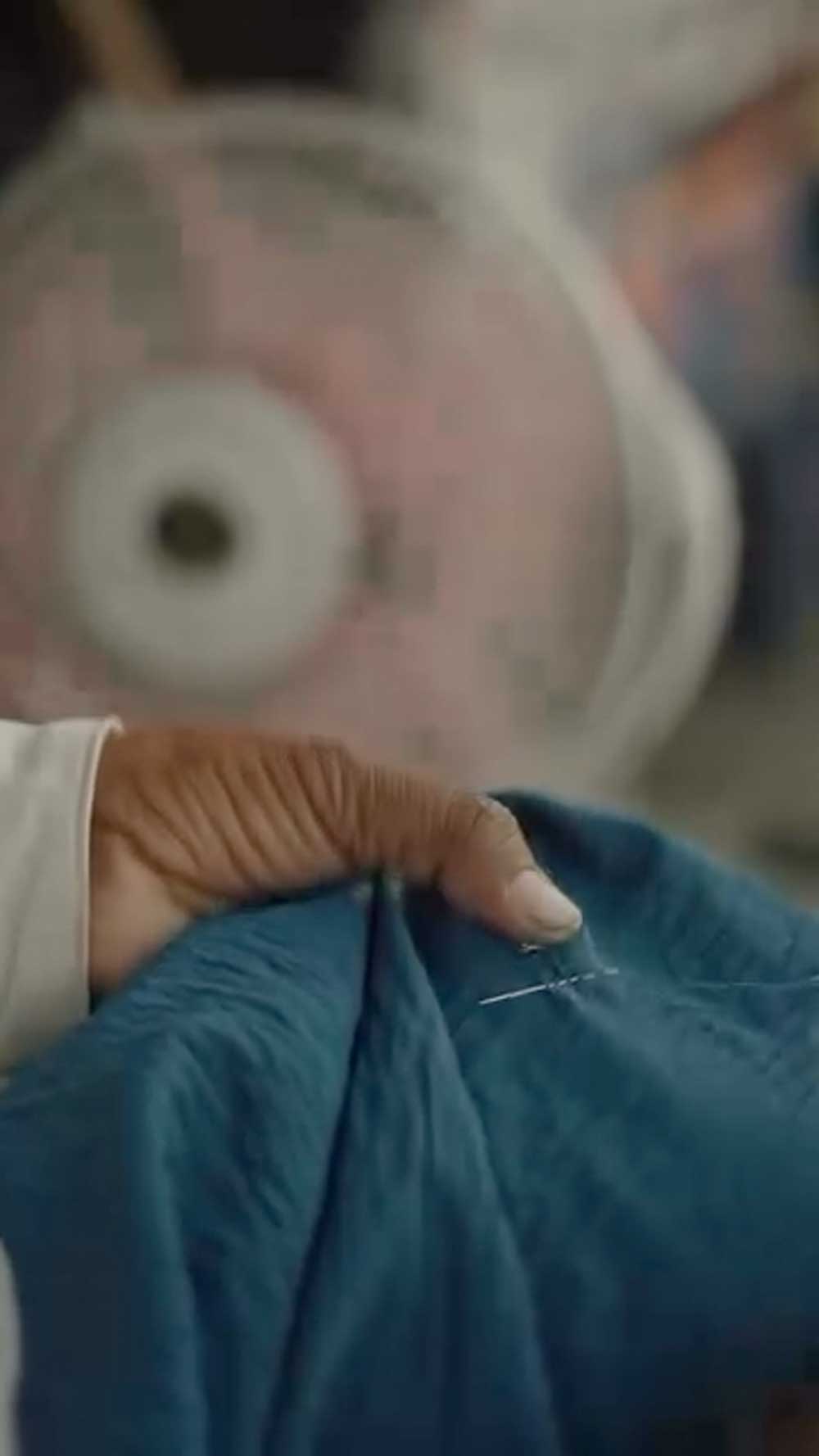
Image Source: Instagram/cookurry
Before clothing became cheap enough to replace, it was valuable enough to fix. In India, that instinct was built into daily life through the local tailor who could take in a waist, let out a hem, replace a collar or reline a jacket for a fraction of the cost of anything new.
‘Raffu’ took that further. A traditional mending technique, raffu involved weaving new threads over damaged fabric so precisely that the repair became invisible. This form of restoration was highly skilled as it preserved not just the garment but its integrity, passed down through families and practised by specialist craftspeople.
The Hand-Me-Down as Heirloom
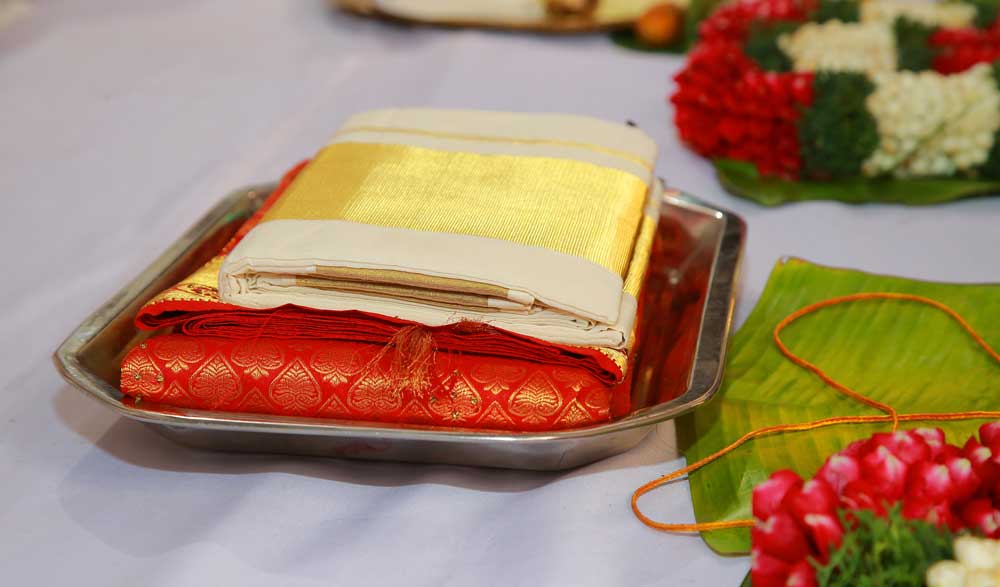
Image used for representational purposes only.
In many Indian households, clothing did not belong to one person for one season. It moved from mother to daughter, from elder sister to younger and essentially from one generation to the next. The Benarasi sari worn at a wedding was stored carefully for decades, brought out for the next occasion, altered if needed and passed on when the time came.
The practice of passing down these ensembles came from the inherent understanding that a well-made garment has a life far longer than a single owner's relationship with it. The most responsible thing to do with something of value was to keep it in use.
The Art of the Second Life
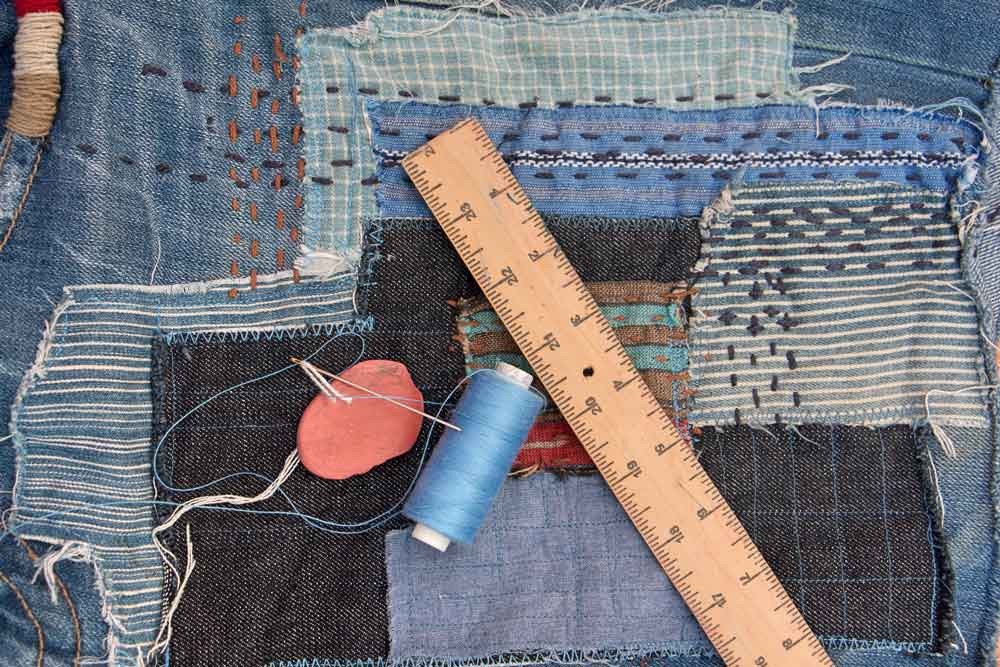
Image used for representational purposes only.
When a garment finally wore through beyond repair, it did not necessarily end. In Bengal, layers of old cotton saris were stacked and stitched together with a running stitch called kantha, which was used to create something new. This could mean a quilt, a wrap, or a piece of embroidered textile. The stitching itself became decorative, turning wear and age into a pattern.
In Maharashtra and parts of Gujarat and Rajasthan, a similar logic produced the godhadi, a quilt made from layered fabric scraps and worn-out clothing stitched together into something warm and whole.
These are what today’s closed-loop systems are attempting to achieve.
Natural Fibres as Standard
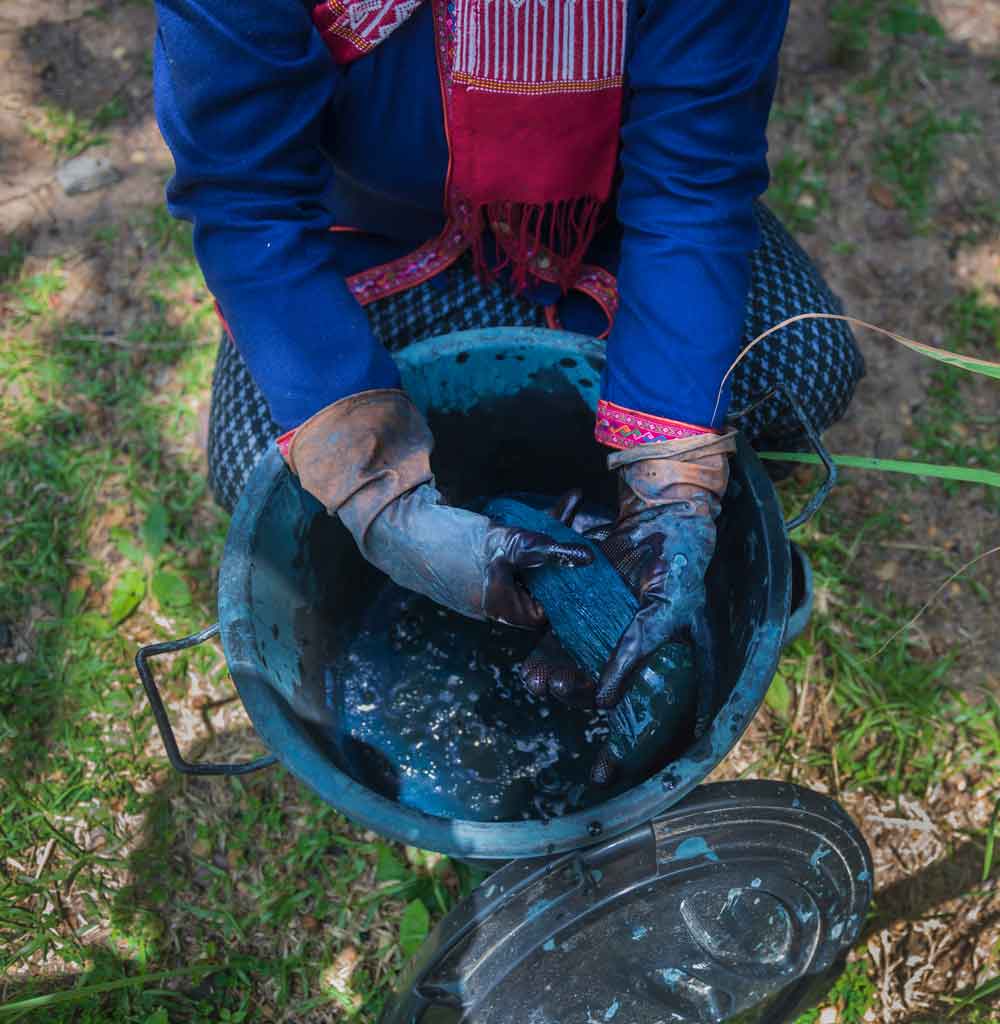
Image used for representational purposes only.
India's regional textile features staples like kala cotton, Maheshwari silk, Kota Doria, mulmul, khadi and so many more. A lot of these fabrics were inherently low-impact long before anyone thought to certify them. Grown from natural fibres, woven by hand, dyed with plant-based dyes, these textiles were essentially designed to be biodegradable in nature.
What Indian Clothing Culture Already Knew
The global sustainable fashion movement spends considerable energy advocating for things that Indian clothing culture has always practised. The need for buying less, buying better, repairing what you have, keeping things for longer, and valuing the maker are ideas that Indian fashion has been built on.
The customs, practices and processes of fashion in India have always been rooted in a relationship with material, craft and community that understood value differently.