In recent years, augmented reality (AR) and artificial intelligence (AI) have begun to revolutionise the way we shop for fashion, creating a seismic shift in retail experiences. For Indian women, who often juggle diverse fashion needs ranging from traditional sarees to contemporary Western wear, these technologies are reshaping convenience, personalisation, and decision-making in ways previously unimaginable.
Virtual Try-Ons: Shopping Redefined

Image used for representational purposes only.
One of the most significant innovations in fashion retail is virtual try-on technology. Using AR, shoppers can now "try on" clothes, accessories, or even makeup without stepping into a store. For Indian women, whose preferences range from intricate lehengas to office-ready power suits, virtual try-ons offer an easy way to visualise an outfit’s fit and style. Brands like Zara and Tanishq have already embraced this trend, offering AR-driven try-on features for accessories, jewellery, and more. While Zara’s AR feature lets customers gauge the size of their bags, Tanishq lets customers see what a piece of jewellery would look like on them. Nike's Virtual View is another innovative digital shopping experience that uses AR to help customers find their perfect fit. By leveraging AI-driven virtual try-ons and 3D visualisation, the feature allows users to see how Nike products look and fit on them before making a purchase.
Virtual try-ons not only save time but also empower consumers to make informed choices. Imagine selecting the perfect shade of lipstick for a wedding or testing how a statement necklace complements a saree—all from the comfort of home. This convenience is especially impactful in a country where shopping often involves navigating bustling markets or limited store locations.
AI-Powered Personalisation
AI is transforming fashion retail by making shopping experiences more intuitive and tailored. From personalised product recommendations to virtual stylists, AI tools analyse user behaviour, preferences, and even local trends to curate suggestions that resonate with individual shoppers.
For Indian women, AI’s ability to cater to diverse style needs—be it festive wear, bridal attire, or daily essentials—is a game-changer. Apps like Myntra and Ajio use AI algorithms to recommend outfits based on previous purchases, trending styles, and even regional preferences. The result? A highly curated shopping experience that feels personal and thoughtful. Additionally, AI chatbots are enhancing customer service by answering queries, assisting with size guides, and providing style tips.
AI styling apps like Open Wardrobe and Whering also use artificial intelligence to offer personalised fashion recommendations, outfit suggestions, and virtual try-ons. These apps analyse user preferences, body types, and current trends to curate looks, often integrating AR for a more interactive experience. From AI-powered wardrobe organisation to shopping assistance, they make fashion more accessible, efficient, and customised.
Bridging the Gap Between Online and Offline

Image used for representational purposes only.
The integration of AR and AI is blurring the lines between online and offline shopping. Many Indian retailers are adopting phygital (physical + digital) strategies to enhance customer experiences. For instance, shoppers can scan QR codes in stores to access product information, virtual try-ons, or styling tips.
This seamless blend of technology allows Indian women to experience the best of both worlds. They can browse collections online, visualise how outfits look using AR, and then visit a store for final fittings or touch-and-feel experiences. As a result, shopping becomes faster, smarter, and more enjoyable.
The Road Ahead
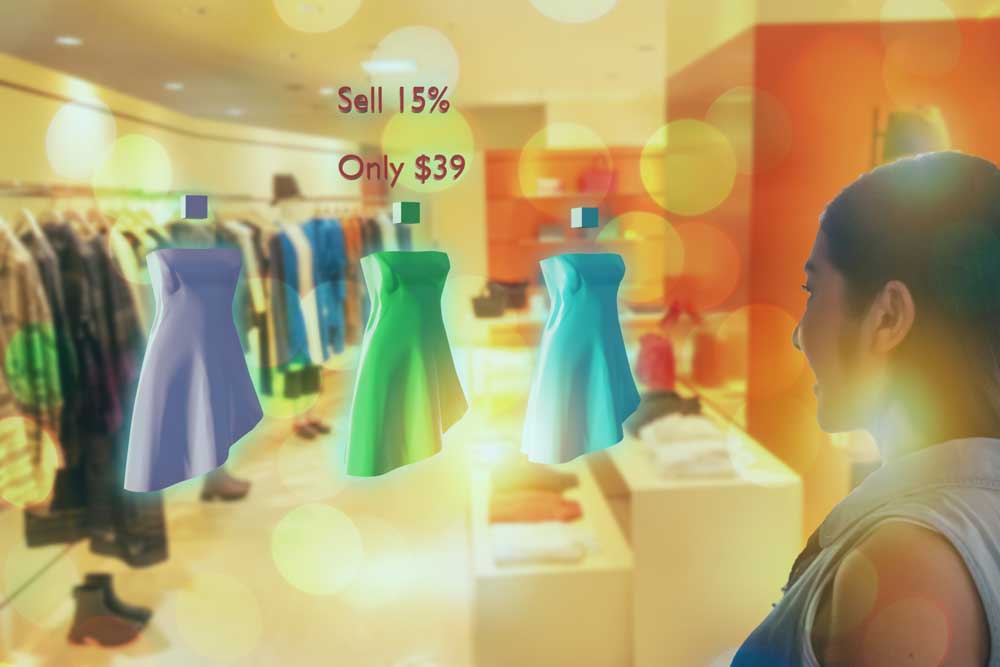
Image used for representational purposes only.
As AR and AI technologies continue to evolve, the future of fashion retail in India looks more inclusive, accessible, and engaging. Virtual try-ons will become more sophisticated, offering hyper-realistic visuals and even feedback on fabric texture and movement. AI, on the other hand, will continue to refine personalisation, anticipating shopper needs and enhancing convenience.
For Indian women, these innovations mean more than just convenience; they represent empowerment. The ability to make confident, informed fashion choices that reflect their unique style and personality is a game-changer in a country where fashion is deeply tied to culture and identity.
The question is no longer whether AR and AI will shape the future of fashion retail—it’s how far they will take us. Are you ready to step into the future of shopping?